


Study Finds Handwriting Boosts Brain Activity and Memory Better Than Typing
The CSR Journal Magazine

The recent study published by Audrey L. H. Van der Meer, a Norwegian researcher, indicates that handwriting may more effectively engage the brain compared to typing. The findings highlight the significant differences in brain activity patterns when individuals write by hand versus when they type on a keyboard. Conducted in 2024, the research examines how these two methods of input affect cognitive function and learning.

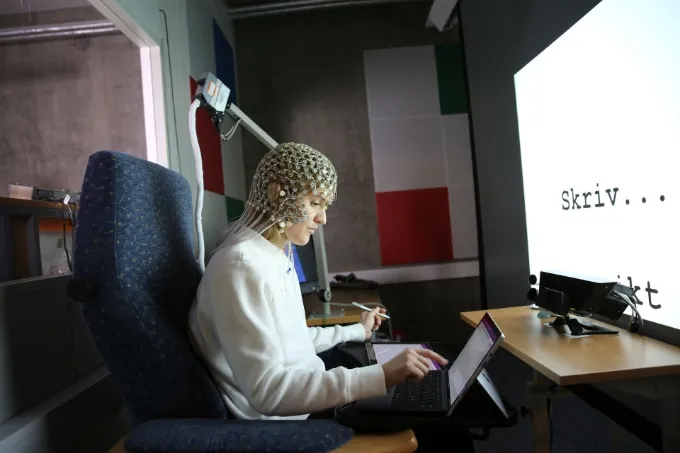
During the study, brain activity was monitored among 36 university students as they either wrote words using a digital pen or typed those same words on a keyboard. The utilisation of high-density EEG scans enabled researchers to measure the electrical activity in the brain, revealing that handwriting results in stronger interactions across various brain regions than typing.

Notably, the investigation found heightened activity in the parietal and central parts of the brain during handwriting, areas associated with processes such as attention, movement, language, memory, and visual perception. Importantly, the study highlights the increase in theta and alpha brain waves, which are closely linked to learning and memory acquisition.

Why Handwriting Engages the Brain Differently

The study elaborates that the physical act of handwriting is inherently more complex compared to typing. When an individual writes by hand, the brain orchestrates various functions including vision, finger movement, hand control, and tactile perception. This intricate process creates what researchers refer to as rich “sensorimotor” input, enabling the brain to absorb information from both movement and sensation simultaneously.

In contrast, typing primarily involves simple, repetitive motions, where each key press is mechanically similar and requires less intricate coordination. The study suggests that this lack of detailed movement may account for the diminished connectivity patterns observed in the brain during typing.

Furthermore, the slower pace of handwriting compels individuals to engage more thoughtfully with the material, thereby facilitating deeper cognitive processing. This aspect of writing may enable enhanced focus on the content being learned, potentially leading to improved retention and understanding of the information.

Implications for Learning Methods

The research underscores the advantages of handwriting, particularly in the context of learning and memory. Previous studies referenced in this investigation have demonstrated that handwriting can enhance spelling accuracy, bolster memory recall, strengthen letter recognition, and promote understanding of complex concepts. Thus, handwriting emerges as a valuable tool for effective learning.

While typing is often viewed as a quicker means of input, the study posits that this speed might detract from the cognitive engagement necessary for deep learning. It appears that, despite the convenience of typing, various educational situations might benefit more from handwritten notes or assignments.

Notably, the authors of the study do not imply that typing is inherently detrimental. They acknowledge the relevance of typing in the contemporary digital landscape, especially as it allows for swift expression of ideas. Rather, they propose that these two methods fulfill different educational needs, advocating for the continued teaching of handwriting skills in schools.

The findings also reveal that the cognitive benefits attributed to handwriting are not confined to traditional pen-and-paper writing. The use of digital pens on touchscreen devices engenders similar positive brain effects, suggesting that the essential factor is the act of manual letter formation, regardless of the medium utilised.

Long or Short, get news the way you like. No ads. No redirections. Download Newspin and Stay Alert, The CSR Journal Mobile app, for fast, crisp, clean updates!

App Store –  https://apps.apple.com/in/app/newspin/id6746449540 

Google Play Store – https://play.google.com/store/apps/details?id=com.inventifweb.newspin&pcampaignid=web_share

Latest News

Popular Videos
