


Space Mystery Deepens as Two Russian Satellites Drift Within 10 Feet of Each Other in Orbit
The CSR Journal Magazine

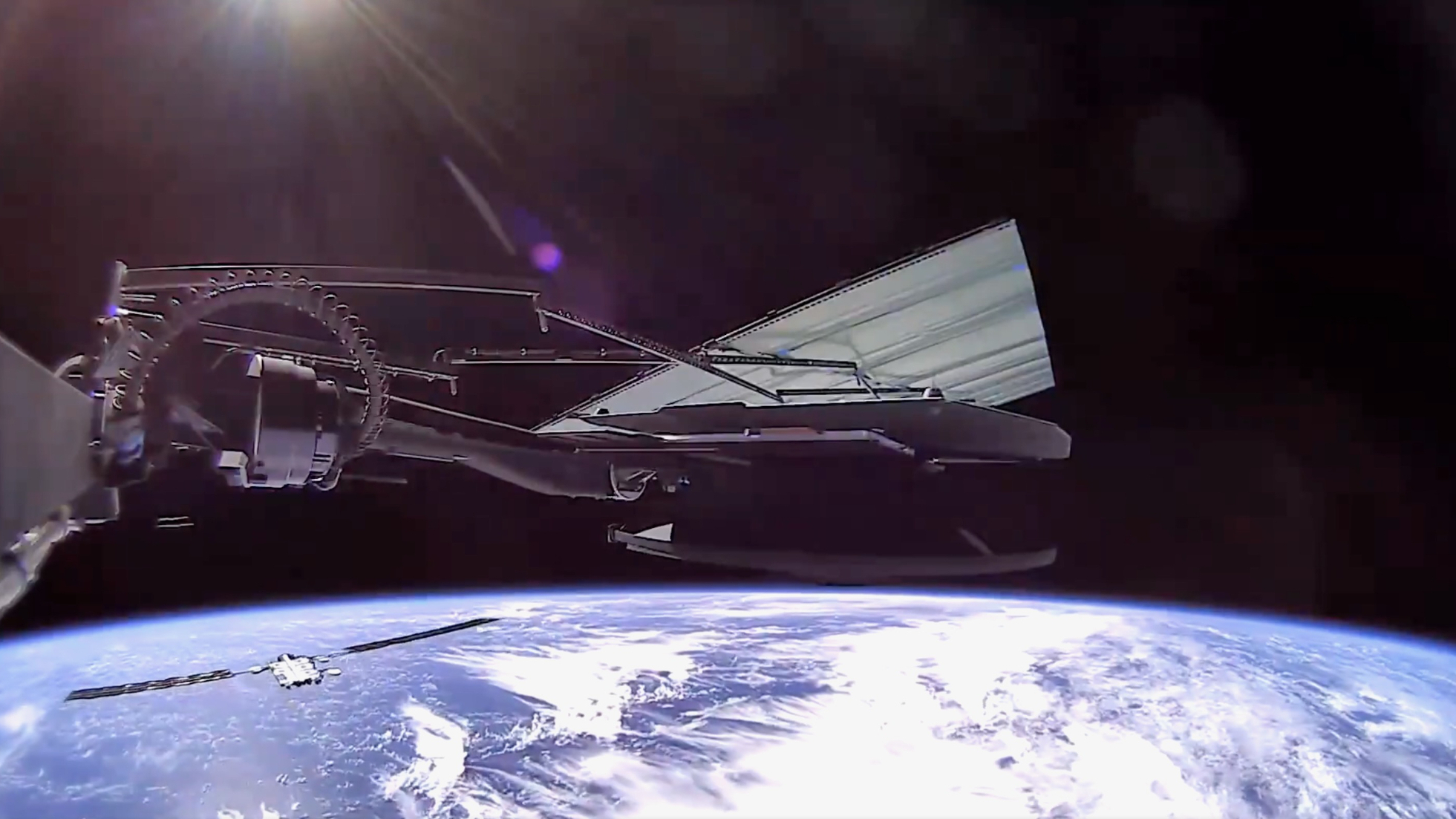
Recent reports indicate that two Russian satellites, Kosmos 2581 and Kosmos 2583, manoeuvred to within 10 feet (3 metres) of each other in Earth’s orbit on April 28. This incident has raised concerns among space tracking organisations due to the unusual nature of the proximity. The encounter took place at an altitude of approximately 585 kilometres above Earth, according to information from Space.com.

The Pennsylvania-based space situational awareness firm, COMSPOC, emphasised that the close approach was intentional rather than coincidental. The company stated that Kosmos 2583 executed a series of precise manoeuvres to maintain the close formation with Kosmos 2581. Such coordinated movements suggest a high level of operational sophistication and purpose.

Background of the Satellites

Kosmos 2581, 2582, and 2583 were launched by Russia in February 2025 aboard a Soyuz rocket from Plesetsk Cosmodrome. The exact mission objectives of these satellites have not been officially disclosed by Russian authorities, leading to heightened speculation regarding their potential uses, which may include military surveillance or tests of anti-satellite technologies.

Space analysts have noted that the three satellites, along with a smaller object earlier released by Kosmos 2583, were involved in controlled orbital manoeuvres known as rendezvous and proximity operations (RPOs). RPOs allow spacecraft to intentionally approach one another and are crucial for various missions, including satellite servicing and debris removal, while also possessing possible military implications.

The recent manoeuvres demonstrated by the Russian satellites included complex proximity events, and it was observed that Kosmos 2582 trailed the two primary satellites while another object passed near them without performing any manoeuvring actions. Analysts have indicated that Russian spacecraft have engaged in multiple close approaches in recent months, which adds to the intrigue surrounding their mission.

Concerns Arising from Military Activity in Space

This incident has revived concerns regarding the escalating military activities in low Earth orbit, as various nations continue to enhance their capabilities for the close inspection and potential interference with satellites. The United States has previously accused Russia of developing “inspector satellites” and orbital systems that may possess anti-satellite capabilities, accusations that Moscow has consistently denied.

Experts in the space domain have remarked that as Earth’s orbital environment becomes increasingly congested, close orbital manoeuvres will likely become more frequent. However, approaches measured in just a few metres are extremely rare, as even minor miscalculations could lead to catastrophic collisions, generating dangerous debris that poses a risk to all space assets.

The 2009 collision between an Iridium communications satellite and a defunct Russian spacecraft serves as a historical reminder of the hazards associated with orbital interactions. As reports surface of Russia’s ambitions to construct its own space station, the manoeuvres of Kosmos 2581 and Kosmos 2583 may indicate efforts to refine necessary docking technologies. Nevertheless, no reports have confirmed docking between the two satellites during this recent event.

Long or Short, get news the way you like. No ads. No redirections. Download Newspin and Stay Alert, The CSR Journal Mobile app, for fast, crisp, clean updates!

App Store –  https://apps.apple.com/in/app/newspin/id6746449540 

Google Play Store – https://play.google.com/store/apps/details?id=com.inventifweb.newspin&pcampaignid=web_share

Latest News

Popular Videos
