


Scientists Explore Geoengineering to Mitigate El Nino Effects
The CSR Journal Magazine

As the threat of a formidable El Nino looms, researchers are investigating geoengineering techniques that could potentially lessen its adverse effects. The focus of this inquiry is marine cloud brightening, a method aimed at modifying the climate by enhancing cloud reflectivity, thereby reducing the warm sea surface temperatures associated with El Nino.

This concept, introduced in the journal Science Advances, is the brainchild of scientists from the University of California. By strategically brightening specific clouds over the Pacific Ocean, researchers assert that it is possible to weaken major El Nino events, particularly if implemented at the right moment.

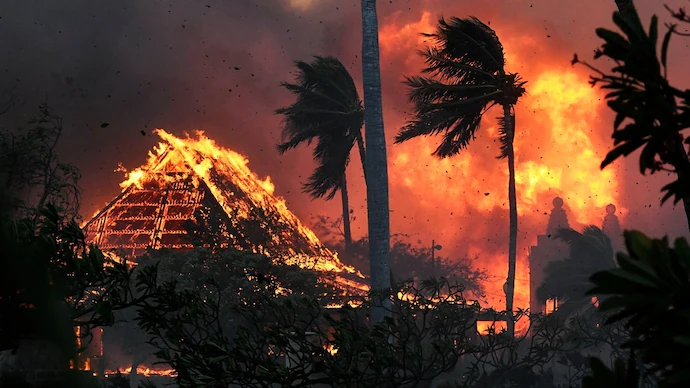
The strategy draws inspiration from Australia’s catastrophic bushfires in 2019-2020, during which significant amounts of reflective particulates were dispersed into the atmosphere. These aerosols reportedly augmented cloud brightness in the southeastern Pacific, contributing to cooler atmospheric conditions and facilitating the emergence of La Nina weather patterns in 2020.

Impact of Marine Cloud Brightening on Climate Models

The team employed climate models to assess the potential effects of preemptive cloud brightening during the intense El Nino episodes of 1997 and 2015. Their simulations indicated that this marine cloud brightening technique could substantially diminish the intensity of El Nino events, with the most pronounced advantages arising from early implementation.

By targeting the central Pacific, the research suggested that the cooling and drying impacts aligned with La Nina conditions could increase by over 40 per cent. This finding is particularly significant in light of ongoing concerns surrounding the long-term consequences of human-induced climate change, which exacerbates natural climate variability.

The lead researcher, Kate Ricke, emphasised that while their research presents a promising avenue for geoengineering, further investigation is necessary. The team is acutely aware of the unpredictability and potential risks that could accompany practical applications of marine cloud brightening in real-world scenarios.

Challenges Presented by Increasing El Nino Frequency

El Nino is a climatic phenomenon marked by the unusual warming of ocean waters in the equatorial Pacific, influencing weather patterns globally. The resulting changes can lead to severe weather manifestations such as floods, droughts, and wildfires, depending on geographic location.

The World Meteorological Organisation has recently highlighted that climate change is intensifying the frequency and severity of El Nino events. As a result, the impacts of this natural climate pattern are projected to become increasingly detrimental due to the compounded effects of long-term warming driven by human activity.

Current analyses reveal that the existing El Nino is advancing nearly seven weeks faster than any previously recorded instances at the same developmental stage, indicating that the world may experience an upsurge in extreme weather events over the forthcoming eighteen months.

This scenario underscores the necessity for innovative solutions, such as geoengineering, to potentially address and mitigate the adverse impacts associated with such climate events. While proactive measures are being considered, it remains critical to evaluate the implications and practicality of such interventions in real contexts.

Long or Short, get news the way you like. No ads. No redirections. Download Newspin and Stay Alert, The CSR Journal Mobile app, for fast, crisp, clean updates!

App Store –  https://apps.apple.com/in/app/newspin/id6746449540 

Google Play Store – https://play.google.com/store/apps/details?id=com.inventifweb.newspin&pcampaignid=web_share

Latest News

Popular Videos
