


Danube River Experiences Record Low Water Levels Amid Central European Drought
The CSR Journal Magazine

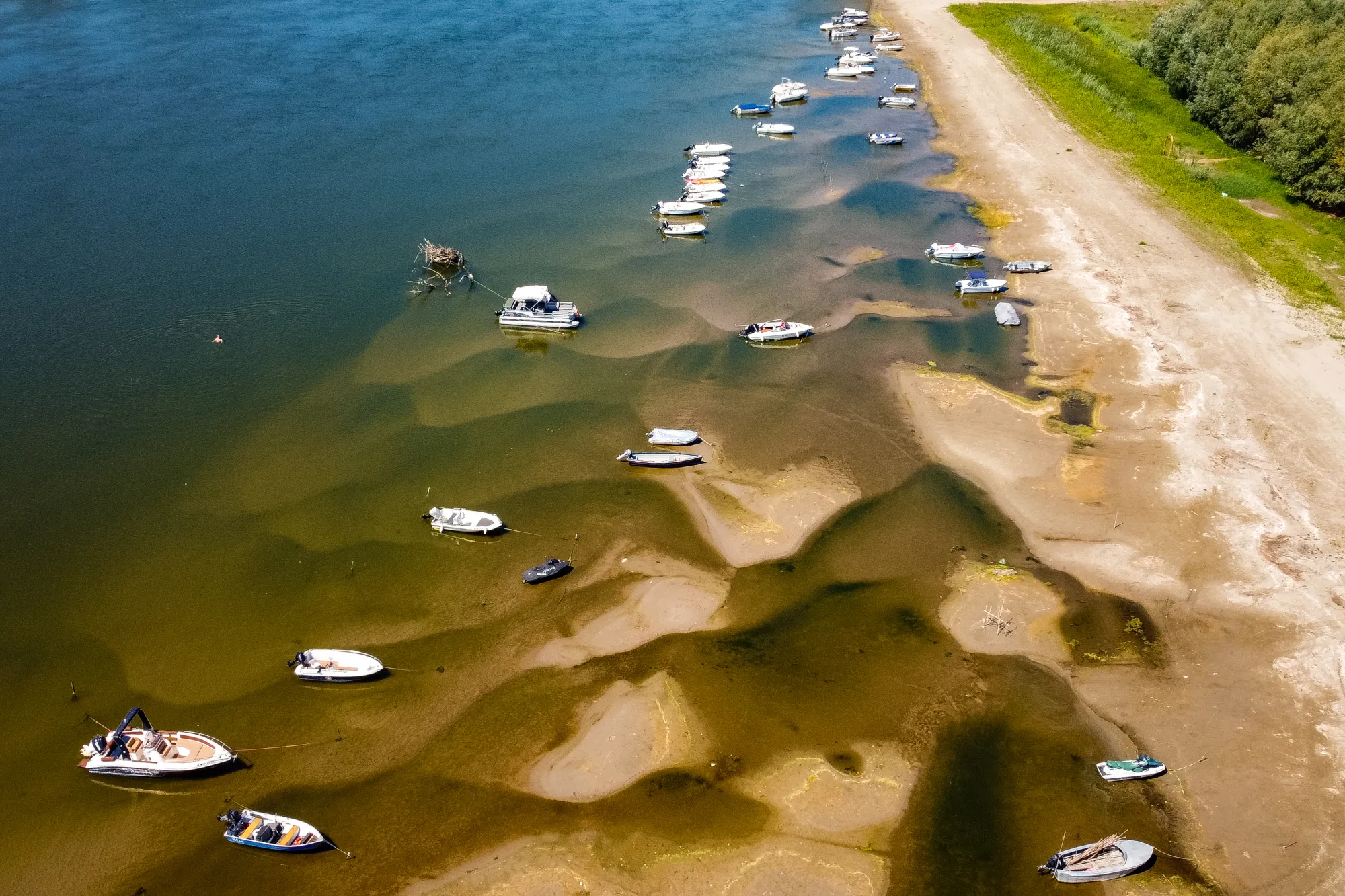
The Danube River is currently witnessing unprecedented low water levels, primarily due to an extensive drought affecting Central Europe. As of Wednesday morning, officials in Budapest, Hungary, indicated that the river measured only 23 centimetres, surpassing the previous record low of 33 centimetres established in 2018. This situation has severely impacted various sectors, notably tourism and shipping, as cruise and cargo operations have faced significant disruptions across the region.

Popular tourist cruise vessels, which traditionally dock in Budapest to allow passengers to explore the city, have had to anchor upstream. This has left many tourists unable to experience the sights of the capital directly. Concurrently, the Hungarian Ministry of Transport and Investment reported that cargo transportation has nearly ground to a halt due to the low water levels.

A notable incident occurred in Bulgaria, where authorities evacuated 186 tourists from a cruise ship that became stranded near Vidin, a port city on the Danube. The ship, the Viking Ullur, reportedly ran out of food and water after failing to reach the port due to shallow waters, necessitating police intervention to safeguard the passengers.

Environmental and Economic Consequences

The ongoing drought has affected not just tourism but also local economies reliant on waterway transport. The Hungarian Meteorological Service has reported that rainfall totals over the past ninety days have been 80 to 130 millimetres below average across much of Hungary. This decline in precipitation has exacerbated evaporation rates, further diminishing water levels in the river.

In Serbia, the low water levels have left numerous boats and cargo ships stranded along the riverbank. Residents and business owners have expressed their concerns, with local boat operators indicating the summer season for river excursions is regrettably over due to the lack of navigable water. Their livelihoods have been directly impacted by these environmental changes.

The drop in water levels is also influencing nuclear power generation in neighbouring countries that depend on the Danube for reactor cooling. In Romania, the flow rate of the river has drastically decreased to around one-third of the average for July, prompting officials at the Cernavoda nuclear plant to shut down one reactor unit for safety considerations. Similarly, Hungary’s Paks nuclear facility, which is crucial for the nation’s energy supply, has begun reducing output due to limited cooling water availability.

Emerging Risks and Reflective Observations

The unprecedented exposure of the Danube’s riverbed has not only posed logistical challenges but also introduced new risks. Authorities in Budapest had to close the Margaret Bridge after falling water levels uncovered a World War II bomb. The situation has raised concerns about public safety amidst these historical revelations.

With forecasts indicating no substantial rain in the immediate future, the drought along the Danube continues to disrupt daily life and economic activities across Central Europe. This situation highlights the complexities surrounding climate changes that have far-reaching effects on various aspects of life, from transportation to energy production.

Long or Short, get news the way you like. No ads. No redirections. Download Newspin and Stay Alert, The CSR Journal Mobile app, for fast, crisp, clean updates!

App Store –  https://apps.apple.com/in/app/newspin/id6746449540 

Google Play Store – https://play.google.com/store/apps/details?id=com.inventifweb.newspin&pcampaignid=web_share

Latest News

Popular Videos
