


El Niño Weakens India’s Monsoon, Triggers Rainfall Deficit Across Regions
The CSR Journal Magazine

The ongoing monsoon season in India has experienced significant inconsistencies, with the emergence of El Nino now impacting rainfall. Meteorological experts have warned that the country is likely facing another dry period as essential atmospheric systems crucial for widespread rainfall have diminished. The southwest monsoon has entered a temporary dry phase, with forecasts predicting limited rainfall across various regions, particularly in central, western, and northwestern India, over the next three to four days.

This current lull in rainfall is reportedly exacerbated by the strengthening effects of El Nino, which is hindering the development of rain-producing systems throughout the Indian subcontinent. Under these conditions, the atmosphere lacks sufficient support to produce extensive precipitation.

Key Atmospheric Drivers Missing

The lack of three critical weather components, the Madden-Julian Oscillation (MJO), the Boreal Summer Intraseasonal Oscillation (BSISO), and Low-Pressure Systems (LPS) over the Bay of Bengal, has been noted. These phenomena are typically instrumental in invigorating the monsoon, aiding in cloud formation, organising thunderstorms, and triggering low-pressure systems that transport moisture into the Indian mainland.

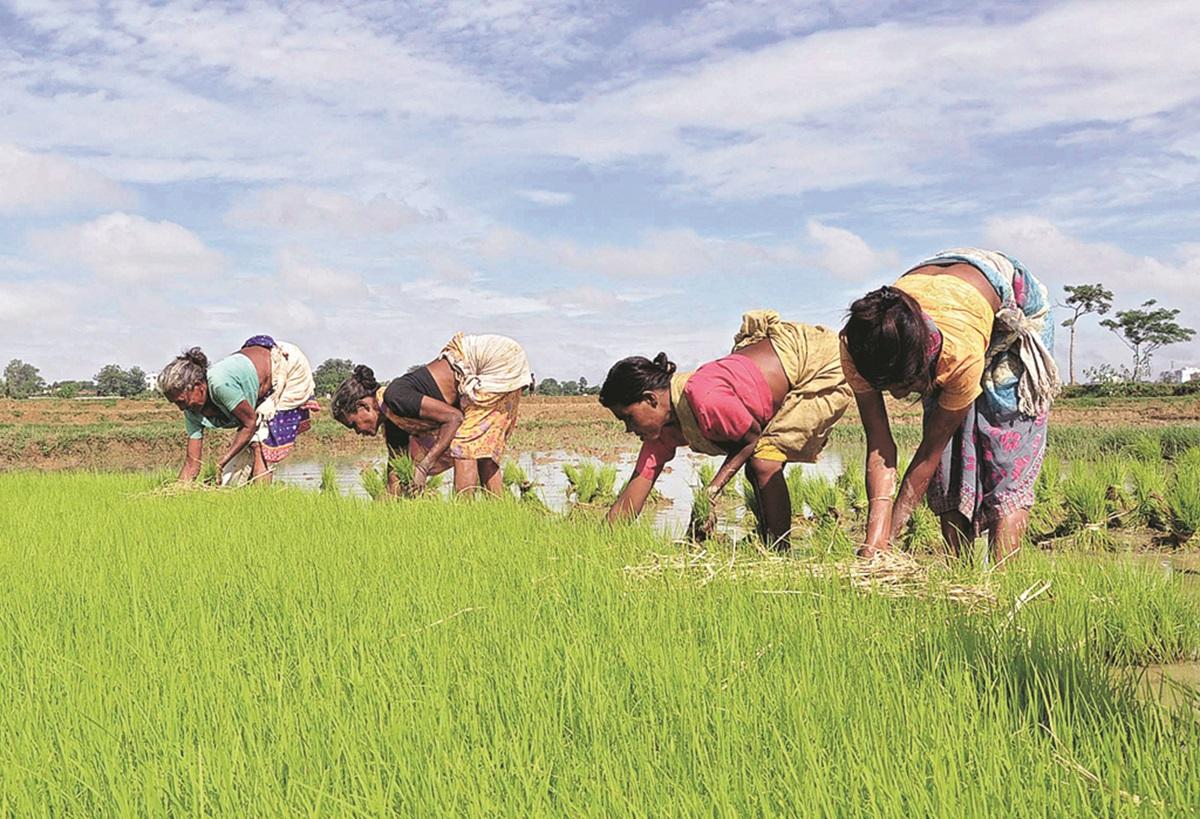
Without these fundamental drivers, the monsoon’s ability to produce widespread rainfall has been significantly compromised, resulting in protracted dry spells for many areas. Consequently, the majority of the country is facing moisture shortages, which could severely affect agricultural activities and water availability.

El Nino, a climatic occurrence involving periodic warming in the central and eastern equatorial Pacific Ocean, generally weakens the Indian monsoon by diminishing moisture transport and cloud formation in the region. Therefore, it is anticipated that only isolated regions, particularly in Northeast India and the Himalayan foothills, might experience substantial rainfall while the rest of the nation remains deprived of significant precipitation.

Possible Improvement by Late July

Despite the current challenges, there remains cautious optimism for improvements in the latter half of July. Meteorological models suggest that the Madden-Julian Oscillation, alongside Rossby waves and new Low-Pressure Systems, may begin to activate over the Bay of Bengal during the last seven to ten days of the month. Should these systems materialise as forecasted, they could inject renewed energy into the monsoon circulation.

The expected emergence of new rain-producing systems could facilitate their movement inland across eastern, central, and northern India. This development may alleviate some of the suppressing effects of El Nino, fostering a partial recovery in rainfall activity as the month progresses.

For the time being, however, the influence of El Nino on India’s weather is becoming increasingly apparent. With the monsoon struggling due to a lack of atmospheric support, the country must prepare for a further period of below-normal rainfall, with hopes pinned on the anticipated resurgence of weather systems later in July.

Long or Short, get news the way you like. No ads. No redirections. Download Newspin and Stay Alert, The CSR Journal Mobile app, for fast, crisp, clean updates!

App Store –  https://apps.apple.com/in/app/newspin/id6746449540 

Google Play Store – https://play.google.com/store/apps/details?id=com.inventifweb.newspin&pcampaignid=web_share

Latest News

Popular Videos
