


Parliament Passes Anti-Paper Leak Bill Amid Opposition Walkout
The CSR Journal Magazine

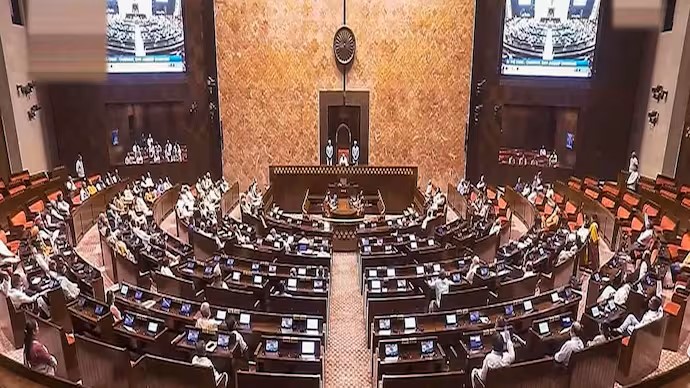
The Indian Parliament has successfully passed the anti-paper leak bill following its approval by the Rajya Sabha. This legislation aims to address and mitigate the growing concerns surrounding examination integrity and the leakage of question papers.

The bill was approved amid a walkout by opposition members, who voiced their dissent against certain aspects of the legislation during discussions. Despite the disruption, the majority of lawmakers supported the bill, leading to its final passage in the session.

With this approval, the bill seeks to strengthen legal provisions against those involved in leaking examination papers and sharing them unlawfully. It will establish stringent penalties for offenders to deter future violations.

Key Provisions of the Bill

The anti-paper leak legislation includes several crucial measures aimed at preserving the integrity of public examinations. Among the primary features is the introduction of enhanced surveillance mechanisms during examination sessions to detect potential leaks quickly.

Moreover, the bill proposes collaborative efforts with various educational bodies to ensure the secure printing and distribution of examination materials. This step is designed to eliminate vulnerabilities in the current system that have previously allowed leaks to occur.

In addition, offenders found guilty under the new law may face significant fines and imprisonment, thereby addressing the issue with a strict legal framework. These provisions have been formulated based on recommendations from preceding committees focused on educational reforms.

Reactions from Political Parties

The response to the bill from various political factions has been mixed. Government representatives have welcomed the passage as a much-needed reform in the education sector, highlighting the importance of maintaining examination confidentiality.

In contrast, opposition leaders have expressed concerns over the bill’s implications on educational practices. They argue that the focus should also extend to systemic issues within the education system rather than solely emphasizing punitive measures.

Opposition members reiterated their stance during the walkout, stating that while addressing paper leaks is essential, broader reforms are necessary to improve the overall educational environment in the country.

Future Implications of the Legislation

The implementation of the anti-paper leak bill is poised to bring significant changes in how examinations are conducted in India. Educational institutions will be required to adopt new protocols in light of the stricter regulations put forth by the legislation.

Experts believe that these measures could foster a more level playing field for students, ensuring that merit prevails in the examination process. Success in this area could potentially restore public confidence in the educational framework.

As the bill moves towards implementation, authorities will need to navigate challenges related to enforcement and compliance, ensuring that the intended outcomes of the legislation are realised effectively. Ongoing assessments will be crucial to refine and adapt strategies as necessary in the years ahead.

Long or Short, get news the way you like. No ads. No redirections. Download Newspin and Stay Alert, The CSR Journal Mobile app, for fast, crisp, clean updates!

App Store –  https://apps.apple.com/in/app/newspin/id6746449540 

Google Play Store – https://play.google.com/store/apps/details?id=com.inventifweb.newspin&pcampaignid=web_share

Latest News

Popular Videos
