



Mayday: British Airways Flight Stalls at 4,000 Feet Over London, Lands Safely

The CSR Journal Magazine

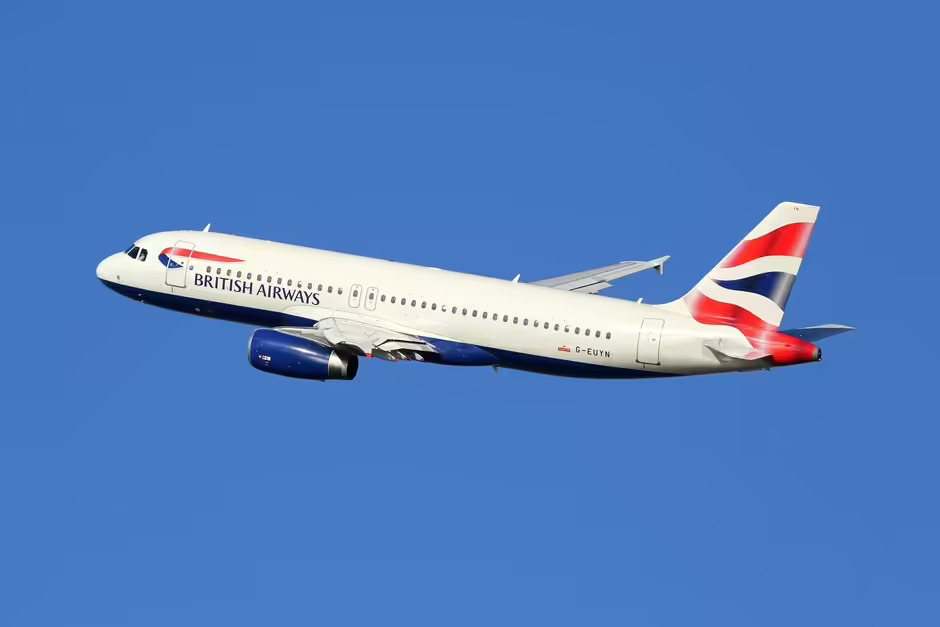
British Airways Flight BA919 encountered a critical situation while approaching London Heathrow on July 6, as the aircraft experienced multiple stall warnings due to an apparent failure of its air data system. The flight, which was travelling from Dusseldorf to London, initially declared a PAN PAN emergency, a signal indicating an urgent situation that does not pose an immediate life-threatening risk. However, the situation escalated, leading the crew to subsequently declare a Mayday emergency.

While the aircraft was flying at approximately 4,000 feet over east London, the crew faced significant challenges stemming from the malfunction. Despite these complications, the Airbus A320 managed to land safely without any reported injuries to the 180 individuals on board.

The UK’s Air Accidents Investigation Branch (AAIB) has commenced an investigation into the sequence of events that led to this serious incident. Initial reports from Aviation Herald detail the actions taken by the crew when the first stall warning was triggered during the approach phase.

Details of the Emergency Procedures

Upon detecting issues with the Air Data Reference (ADR) systems, the flight crew executed a go-around instead of continuing the landing. Despite the decision made, a subsequent stall warning arose when the aircraft descended to approximately 3,000 feet. This prompted an urgent response from the crew, who carried out a recovery manoeuvre to stabilise the aircraft.

The AAIB has confirmed that it is scrutinising the cockpit actions during the incident. They reported that an ADR failure triggered the stall warning, and the crew transitioned to flying the aircraft under alternate control law. The emergency call was later upgraded to a Mayday after the second stall warning was received, emphasising the seriousness of the situation as they managed to land the aircraft safely around 30 minutes post the initial go-around.

As the investigation unfolds, detailed examination of cockpit procedures and crew responses will be critical in understanding the factors contributing to this emergency scenario. The AAIB aims to determine the precise actions and decisions made during this critical flight segment.

Scrutiny of Cockpit Dynamics and Responses

Reports from British media, citing sources within the aviation sector, indicate that the first officer attempted initial manoeuvres to address the air data system failure. Allegedly, the captain intervened physically to regain control of the aircraft when it entered a stall condition. Such intervention is considered rare in cockpit dynamics and has raised concerns regarding the management of emergency situations.

Described by one source as potentially the most severe near-miss in UK aviation in recent years, the situation has prompted discussions around the procedural effectiveness within the cockpit. The rarity of physical intervention by a captain during such scenarios is alarming to aviation experts.

Further claims have emerged suggesting that the aircraft narrowly avoided what is termed a “hull loss,” indicating catastrophic damage or destruction of the airplane. While these claims remain unverified by investigators, they nonetheless highlight the gravity of the incident. Following the emergency, it has been reported that the captain is currently on stress leave.

British Airways has acknowledged the incident and confirmed their cooperation with the AAIB in the ongoing investigation. Notably, the airline has refrained from commenting on specifics regarding the cockpit intervention or the status of the captain.

Long or Short, get news the way you like. No ads. No redirections. Download Newspin and Stay Alert, The CSR Journal Mobile app, for fast, crisp, clean updates!

App Store –  https://apps.apple.com/in/app/newspin/id6746449540 

Google Play Store – https://play.google.com/store/apps/details?id=com.inventifweb.newspin&pcampaignid=web_share

Latest News

Popular Videos