


Satellite Analysis Reveals System Driving Lightning in UP and Uttarakhand
The CSR Journal Magazine

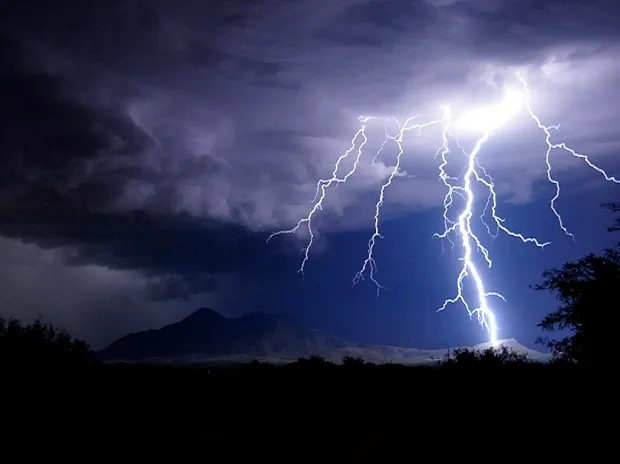
Recent weather patterns indicate that northern India is experiencing continued thunderstorms, particularly in Uttar Pradesh and Uttarakhand. As the month of May progresses, these regions have seen sudden rain, strong winds, and significant lightning activity. The unpredictable weather has been felt not only in these states but also in adjacent areas.

Reports from numerous districts suggest a trend of intense lightning accompanied by short, heavy rain showers, particularly noticeable after the daytime heat peaks. Meteorologists attribute this ongoing instability to a multifaceted atmospheric system primarily anchored over Uttarakhand, which has broader implications for weather conditions across northern India and even extending to the Tibetan Plateau.

Cyclonic Circulation at the Core of Weather Activity

The main factor influencing the current weather conditions is identified as a cyclonic circulation. This weather pattern, characterised by a broad rotation in the upper atmosphere, has proven conducive for widespread thunderstorm formation across these regions. Experts highlight the connection between this circulation and a robust southward flow of meridional winds affecting northern India.

These winds are reported to be transporting a phenomenon termed “positive Earth angular momentum” towards states like Uttar Pradesh and Haryana. Though the terminology may seem complex, its implications are relatively straightforward: it causes the atmosphere to be dynamically forced upward across extensive areas, which is essential for thunderstorm formation.

This dynamic is linked to a process known as “positive differential vorticity advection.” In this scenario, spinning air patterns within the atmosphere gain strength with height, resulting in an imbalance that necessitates upward movement of air. This interplay between hydrostatic balance and geostrophic flow, collectively known as thermal wind balance, promotes the conditions needed for thunderstorm development.

Contributing Factors to Unstable Weather Conditions

In addition to the cyclonic circulation, other elements are influencing the prevailing weather instability. Meteorologists note the significant surface heating that occurs over the plains during the daytime, which introduces added moisture and creates instability in the lower atmosphere. Temperature contrasts and differences in air density, termed baroclinic instability, may serve to further energise the existing weather system, heightening the likelihood of storm activity.

The intersection of Himalayan terrain, upper-level winds, and thermal heating across the Indo-Gangetic plains has created optimal conditions for the growth of thunderstorms. While these storms can offer temporary respite from high temperatures, they can also introduce hazards such as lightning strikes, localised flooding, and damage from powerful winds.

Weather experts indicate that thunderstorm activity might remain intermittent as long as the cyclonic circulation persists and atmospheric conditions continue to support large-scale uplift. Ongoing monitoring of the situation is essential to understand the potential impacts and risks associated with these weather patterns, particularly for the affected regions in north India.

Long or Short, get news the way you like. No ads. No redirections. Download Newspin and Stay Alert, The CSR Journal Mobile app, for fast, crisp, clean updates!

App Store –  https://apps.apple.com/in/app/newspin/id6746449540 

Google Play Store – https://play.google.com/store/apps/details?id=com.inventifweb.newspin&pcampaignid=web_share

Latest News

Popular Videos
