


Ram Rahim Granted 30-Day Parole, His Sixteenth Since 2020
The CSR Journal Magazine

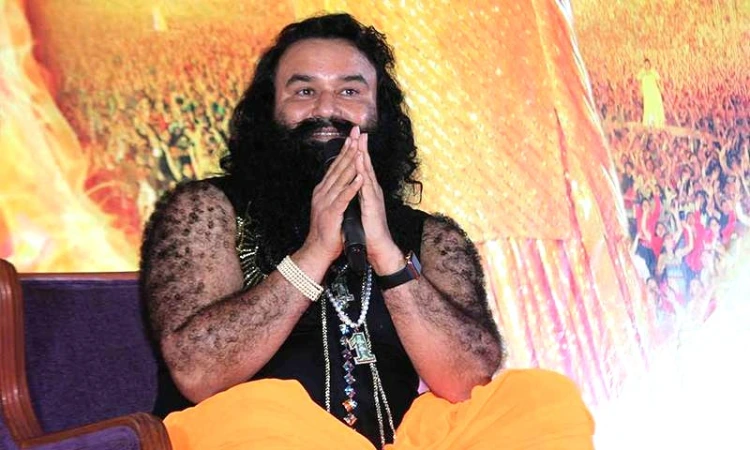
Convicted leader of Dera Sacha Sauda, Gurmeet Ram Rahim Singh, has been granted parole once again. On Tuesday, he was released from the Sunaria jail in Haryana for a duration of 30 days, officials confirmed. The release took place at approximately 6.30 am, amidst substantial police protection. Local reports indicate that he subsequently travelled to the Dera headquarters located in Sirsa.

History of Paroles Granted

This latest approval marks the sixteenth instance since 2020 where Ram Rahim has been granted parole or furlough. His previous release occurred on January 5, 2026, when he was allowed a 40-day parole and chose to stay at the Dera Sacha Sauda ashram throughout that time. After the parole period concluded, he returned to serve his sentence in jail.

Since his incarceration, Ram Rahim has been held in Sunaria jail from 2017 onwards. He is currently serving a combined 20-year sentence, having been convicted in two separate rape cases involving female disciples. Each conviction resulted in a 10-year prison term. Additionally, he has received a life sentence concerning the murder of journalist Ram Chander Chhatrapati.

The frequency with which Ram Rahim has received paroles has sparked criticism from various opposition parties and social organisations. Many have alleged that the Haryana government is favouring the Dera chief due to the substantial support base Dera Sacha Sauda has across Haryana, Punjab, and Rajasthan.

Political Reactions and Public Response

The repeated grant of parole to Ram Rahim has often been accompanied by public outcry. Opposition parties have consistently labelled the approvals as preferential treatment, raising concerns about the implications for the justice system. Various civil rights groups have echoed similar sentiments, arguing that such actions undermine the rule of law and justice for the victims involved.

Concerns extend beyond political criticism, as societal reactions have also been mixed. While there is considerable support for Ram Rahim among his followers—who number in the lakhs—many in public discourse question the ethics surrounding his prolonged paroles. This situation has resulted in heightened tensions in regions where Dera Sacha Sauda holds significant influence.

As the discussions surrounding Ram Rahim’s parole continue, the Haryana government faces mounting pressure to clarify its stance on his frequent releases. Analysts suggest that the situation may impact future political alignments and electoral strategies within the state, especially given the close ties between political figures and the Dera Sacha Sauda leadership.

Legal and Social Implications

The legal ramifications of Ram Rahim’s paroles are significant, as they have set a precedent in how the criminal justice system handles cases involving high-profile individuals. This has implications not only for the convicted individual’s future but also for the overall public perception of fairness within the judicial process.

Moreover, the discussion around Ram Rahim’s case underscores broader societal issues regarding the treatment of victims of sexual violence. The public’s reaction hints at a growing awareness and advocacy for victim rights, which may shape the future landscape of legal reforms in India.

Ultimately, Ram Rahim’s continuing ability to secure parole raises important questions about accountability, justice, and the balance of power in relation to influential figures within society. As legal proceedings and social discourse evolve, the implications of this case will likely resonate far beyond individual interests.

Long or Short, get news the way you like. No ads. No redirections. Download Newspin and Stay Alert, The CSR Journal Mobile app, for fast, crisp, clean updates!

App Store –  https://apps.apple.com/in/app/newspin/id6746449540 

Google Play Store – https://play.google.com/store/apps/details?id=com.inventifweb.newspin&pcampaignid=web_share

Latest News

Popular Videos
