


“PoK is Not Part of Pakistan”: Thousands Rally in Rawalakot Demanding Autonomy
The CSR Journal Magazine

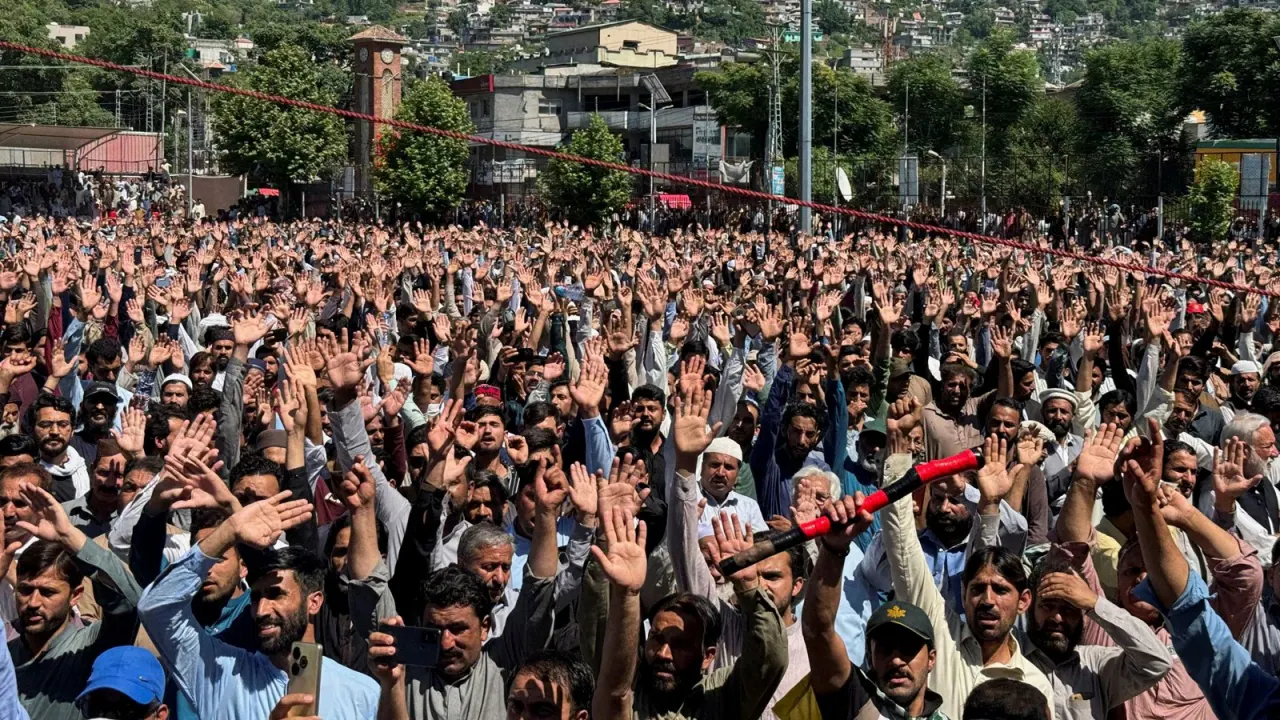
A significant protest in Pakistan-occupied Jammu and Kashmir (PoJK) has drawn thousands of participants to Rawalakot, where demonstrators have publicly asserted that “PoK is not part of Pakistan.” This event marks a considerable escalation in the region’s political landscape, with residents voicing their discontent against Islamabad’s actions.

The gathering at Eidgah Ground in Rawalakot stands as one of the most prominent displays of dissent against Pakistani governance in recent memory. Protesters have accused Pakistani authorities and security forces of longstanding political neglect and economic exploitation. Allegations were made that the government has enforced a blockade on vital food supplies, which they claim aims to suppress their demands for greater autonomy.

Demonstrators emphasised the critical nature of the ongoing food shortages, linking these restrictions to broader governmental repression and control. They expressed that persistent hardships could motivate them to explore alternative affiliations, a clear indication of potential shifts in loyalty towards India.

Leaders Call for Independence From Pakistan

Joint Awami Action Committee (JAAC) leader Sardar Aman Khan delivered a passionate address to the assembled protesters, asserting a strong stance against Pakistani authority. “PoK is not a part of Pakistan. We do not need Pakistan; rather, it is Pakistan that desperately needs PoK,” Khan declared, words that resonated with the crowd, who responded with applause and chants against the Pakistani administration.

Khan’s remarks reflect a growing sentiment among the people in the region, expressing frustration over perceived marginalisation by central authorities. His statements have ignited discussions about the potential for self-determination and have encouraged others to join the movement demanding political reform.

The protest also served as a platform for various speakers to share personal stories of hardship and loss, further galvanising public sentiment against the current regime. Many participants carried flags and displayed banners, amplifying their calls for change and rallying support against the current state of affairs.

Concerns Over Food and Economic Security

The issue of food security has taken centre stage during these protests, with demonstrators underscoring the grave implications of the alleged food blockade. Protesters shared accounts of their struggles to access basic necessities, emphasising how these restrictions have exacerbated already challenging living conditions in the region.

Community representatives explained that the shortage of essential items has created a dire situation for families, forcing many to rely on limited resources or seek aid from external sources. The rally provided a forum to articulate these challenges, as participants urged for immediate intervention to lift the food blockade.

Furthermore, there is a growing concern that if these conditions persist, it could lead to a humanitarian crisis. Local leaders have vocalised the need for urgent action from both regional and international bodies to address the growing unrest and alleviate the suffering of affected communities.

The mass mobilisation in Rawalakot underscores a pivotal moment in the ongoing struggle within PoJK. As calls for reform and independence grow louder, the events in Rawalakot may serve as a turning point for future political developments in the region, further complicating Pakistan’s governance of PoK.

Long or Short, get news the way you like. No ads. No redirections. Download Newspin and Stay Alert, The CSR Journal Mobile app, for fast, crisp, clean updates!

App Store –  https://apps.apple.com/in/app/newspin/id6746449540 

Google Play Store – https://play.google.com/store/apps/details?id=com.inventifweb.newspin&pcampaignid=web_share

Latest News

Popular Videos
