


PM Modi Chairs Meeting With PM-Economic Advisory Council Amid West Asia Crisis
The CSR Journal Magazine

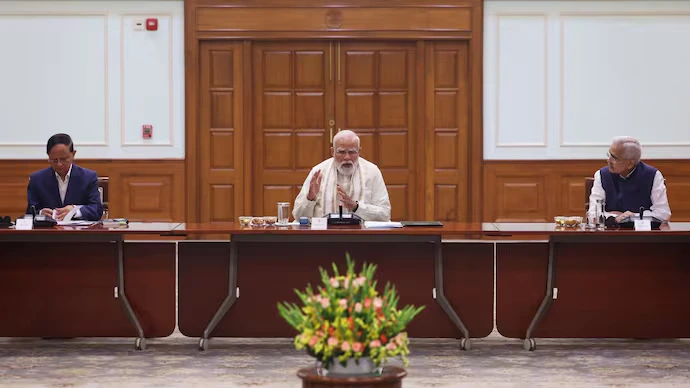
Prime Minister Narendra Modi recently chaired a meeting with members of the Prime Minister’s Economic Advisory Council to discuss pressing economic issues amid a crisis unfolding in West Asia. The meeting was convened in light of the potential impact that regional instability may have on India’s economy, trade relations, and energy security.

The session involved key figures from the council, including top economists and advisors, who provided insights on various strategies that could be implemented to mitigate any adverse effects from the crisis. This proactive approach underscores the government’s commitment to addressing external challenges affecting the Indian economy.

During the meeting, specific emphasis was placed on monitoring global oil prices, as fluctuations have the potential to directly influence India’s import bills, inflation rates, and overall economic growth. The council members examined data trends and forecasts to better understand the ramifications of ongoing developments.

Impact on Energy Security

The crisis in West Asia has raised significant concerns regarding energy security in India, which relies heavily on oil imports. Members of the Economic Advisory Council highlighted the necessity for diversifying energy sources to reduce dependency on a single region. This diversification is considered crucial for maintaining stable energy prices and securing long-term energy needs.

Discussions also included potential collaborations with alternative energy suppliers and increasing investments in renewable energy projects. The council underscored that such initiatives would not only support economic stability but also align with India’s broader goals of sustainable development and reducing carbon emissions.

Furthermore, council members proposed a comprehensive review of existing energy policies to assess their effectiveness in light of global market conditions. Such a review aims to identify areas for improvement and ensure robust mechanisms are in place for prompt responses to future supply disruptions.

Response to Economic Challenges

As the meeting progressed, participants also examined the broader economic challenges that may arise due to the crisis in West Asia. The Economic Advisory Council focused on the importance of maintaining consumer confidence and ensuring economic stability during tumultuous times. Strategies for boosting domestic demand and supporting small and medium enterprises were among the key topics discussed.

In light of potential inflationary pressures attributed to global supply chain disruptions, the council explored measures to manage price stability. Recommendations included strategic stockpiling of essential commodities and the implementation of price control measures where necessary.

Lastly, the council discussed the importance of clear communication with the public regarding the government’s economic policies. By fostering transparency, the government can enhance public trust and understanding during periods of uncertainty. This would also serve to mitigate panic and encourage a more stable economic environment.

Long or Short, get news the way you like. No ads. No redirections. Download Newspin and Stay Alert, The CSR Journal Mobile app, for fast, crisp, clean updates!

App Store –  https://apps.apple.com/in/app/newspin/id6746449540 

Google Play Store – https://play.google.com/store/apps/details?id=com.inventifweb.newspin&pcampaignid=web_share

Latest News

Popular Videos
