


Pakistan’s Punjab Province’s Education System Faces Significant Decline Amid Privatisation Efforts

The CSR Journal Magazine

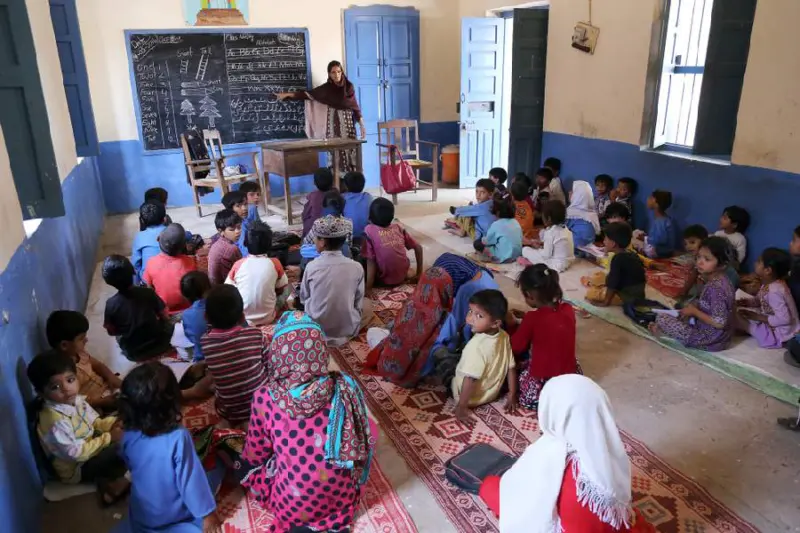
The education system in Pakistan’s Punjab province is currently experiencing a notable contraction as thousands of government schools undergo privatisation. This shift has raised concerns among educators and activists who advocate for public education. Reports suggest that the implementation of privatisation and public-private partnership strategies is adversely impacting the public education framework.

Data compiled nearly three and a half years ago indicated that Punjab had a total of 47,413 government-run educational institutions, encompassing primary, middle, high, and higher secondary schools. Presently, this figure has diminished to 38,108, highlighting the extent of the reduction since the introduction of outsourcing initiatives.

Within the current educational landscape, the remaining institutions consist of 21,637 primary schools, 7,298 middle schools, 8,236 high schools, and 937 higher secondary schools. Reports indicate that approximately 15,000 additional schools may transition to private management during the upcoming summer vacation under various outsourcing schemes.

Sale of High and Higher Secondary Schools Initiated

Authorities have reportedly commenced efforts to sell nearly 500 high and higher secondary schools situated in major cities and district headquarters. This initiative is part of a project known as “Nawaz Sharif Animation.” Tender applications for the management of these institutions have already been scrutinised, signalling a significant shift in the management of educational facilities.

Currently, Punjab’s school education department has sanctioned positions for 673,120 teachers; however, only 310,401 teachers are actively employed across the province. This workforce includes 161,128 teachers at the primary level, 100,056 at the middle level, and 43,826 at high and higher secondary levels. The reduction in staff has led to the abolition of numerous teaching positions, highlighting the severe impact of the ongoing privatisation process.

Since 2018, the recruitment of new teachers has been halted, with preparations now being made to hire teaching interns on a temporary basis rather than bringing on permanent staff. This approach has drawn criticism from various education stakeholders who argue it undermines the quality of education.

Concerns Raised by Educators and Associations

Education advocates claim that the provincial bureaucracy is intentionally undermining the public education sector, aiming to diminish the government’s role in education. They have issued calls for a cessation of the privatisation process, contending that access to free education is a constitutional right guaranteed to citizens.

The implications of these changes continue to stir significant debate regarding the future of education in Punjab, as stakeholders grapple with the balance between public and private management of educational institutions. The developments signal a critical period for Punjab’s educational landscape, with potential long-term consequences for students and teachers alike.

Long or Short, get news the way you like. No ads. No redirections. Download Newspin and Stay Alert, The CSR Journal Mobile app, for fast, crisp, clean updates!

App Store –  https://apps.apple.com/in/app/newspin/id6746449540 

Google Play Store – https://play.google.com/store/apps/details?id=com.inventifweb.newspin&pcampaignid=web_share

Latest News

Popular Videos