


Airstrikes in Eastern Afghanistan Kill 13 Civilians, Including 11 Children, Sparking Calls for Accountability

The CSR Journal Magazine

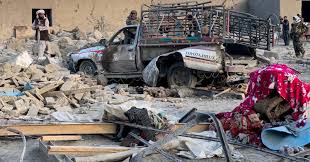
On June 9-10, airstrikes in eastern Afghanistan resulted in the deaths of at least thirteen civilians, including eleven children, according to reports from the Taliban authorities. The United Nations Assistance Mission in Afghanistan (UNAMA) corroborated this by documenting thirteen civilian fatalities and ten injuries, primarily affecting women and children. This tragic event has drawn significant attention from various stakeholders, with multiple reactions circulating in social media discussions.

The Taliban spokesperson, Zabihullah Mujahid, detailed that the strikes impacted civilian residences in Khost, Kunar, and Paktika provinces. The Taliban government accused Pakistan of conducting these airstrikes, asserting that innocent lives had been lost due to the bombardments. Descriptions of the aftermath include images of funeral gatherings attended by hundreds, highlighting the emotional toll the incident has taken on local communities.

UN’s Statement Lacks Specific Attribution

The UN’s statement failed to explicitly name the party responsible for the aerial attacks, which led to accusations of withholding critical information. Social media users and Afghan commentators expressed their discontent with the language used, suggesting that the absence of specific attribution effectively erases the accountability of the alleged aggressor. Critics assert that this omission undermines the credibility of UNAMA’s efforts to report on civilian casualties accurately.

Despite the initial lack of clarity regarding responsibility, Farhan Haq, Deputy Spokesperson for the UN Secretary-General, later referred to these strikes as “Pakistani military airstrikes” during a press briefing. This clarification may not fully assuage the concerns raised by activists and citizens, who demand more transparency from international organisations regarding such sensitive matters.

The implications of the UN’s wording have prompted important discussions about the potential impacts on diplomatic relations between Afghanistan and Pakistan, especially in light of recent military actions. Some observers argue that a lack of firm language in international reporting can complicate efforts to hold governments accountable for actions that result in civilian casualties.

Response from Pakistan and Ongoing Tensions

In the wake of the airstrikes, Pakistan’s Information Minister, Attaullah Tarar, confirmed that operations were carried out along the Afghanistan-Pakistan border but insisted that the focus was on targeting Tehreek-e-Taliban Pakistan (TTP) militants rather than civilian populations. Tarar described the strikes as “precise and calibrated,” aimed at eliminating terrorist hideouts while asserting that credible intelligence guided their actions.

The tensions between Afghanistan and Pakistan have escalated due to recurring military exchanges and accusations of cross-border terrorism. Afghanistan’s Taliban government contends that Pakistan is violating its sovereignty through these military operations. The broader context includes a historical pattern of conflict and distrust, as both nations navigate complex geopolitical circumstances exacerbated by prolonged violence in the region.

Analysts highlight that these airstrikes represent a significant incident in the ongoing tension between the two countries. Reports from the ground indicated that these were not isolated occurrences but marked the third major attack since October 2025, suggesting a worrying trend of escalating military actions that could have broader implications for regional stability.

Long or Short, get news the way you like. No ads. No redirections. Download Newspin and Stay Alert, The CSR Journal Mobile app, for fast, crisp, clean updates!

App Store –  https://apps.apple.com/in/app/newspin/id6746449540 

Google Play Store – https://play.google.com/store/apps/details?id=com.inventifweb.newspin&pcampaignid=web_share

Latest News

Popular Videos