


India Deploys Twelve Nuclear Warheads in Peacetime, Sipri Reports
The CSR Journal Magazine

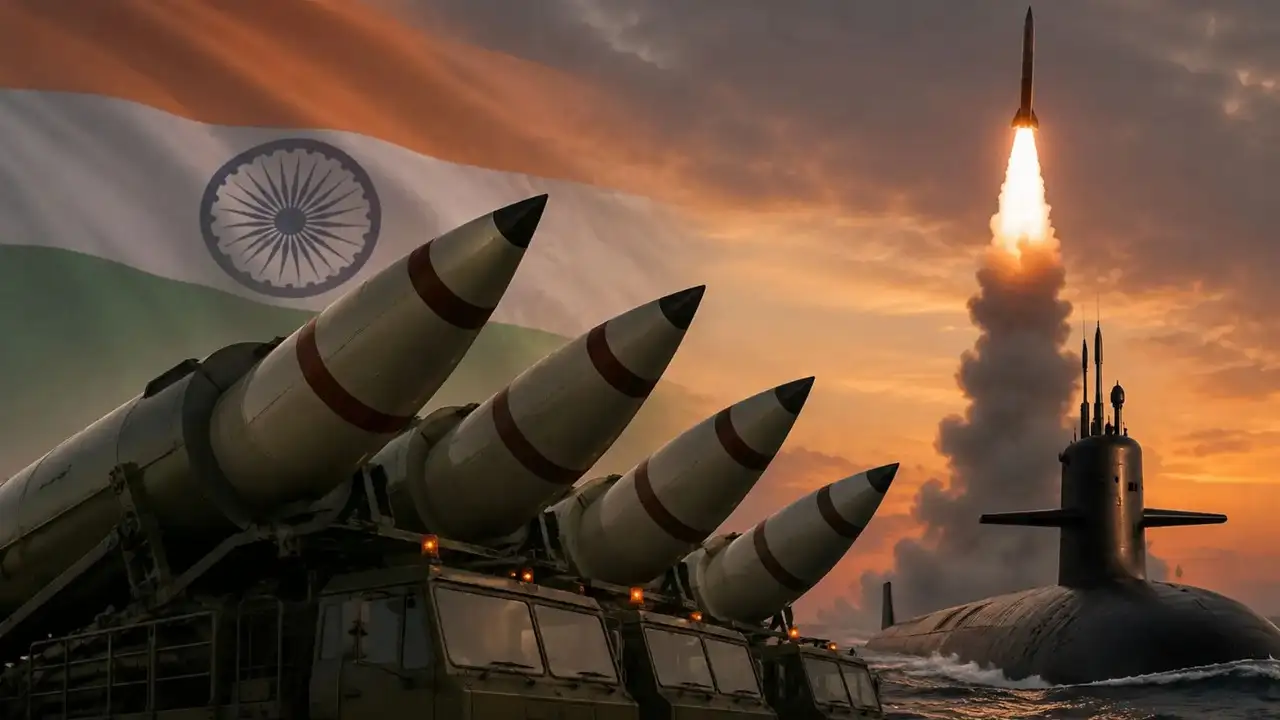
According to a recent report from the Stockholm International Peace Research Institute (Sipri), India has deployed twelve nuclear warheads in a peacetime context, marking a notable development in the country’s defence posture. This information was disclosed in the SIPRI Yearbook 2026, which was published on June 9, 2026. The report highlights the evolving global reliance on nuclear weapons as instruments of national power.

The report indicates that a total of approximately 4,012 nuclear warheads remain actively deployed on missiles and aircraft worldwide. This high number points to the significant military capabilities that various nations maintain. In the context of India’s positioning on the nuclear front, this deployment is the first of its kind during peaceful conditions, raising questions about future security strategies.

In its analysis, Sipri reported that there were an estimated 12,187 nuclear warheads globally as of January 2026. Out of these, about 9,745 were identified as being part of military stockpiles, kept ready for any potential usage. This data reflects a global trend towards bolstering nuclear arsenals amid ongoing geopolitical tensions.

China’s Increased Nuclear Arsenal

The Sipri report also provides insights into the nuclear capabilities of other nations, particularly China. The data indicates that China has enhanced its nuclear arsenal, increasing its warheads from 24 in 2025 to 34 in the present year. This growth illustrates China’s commitment to modernising its military capabilities, along with its strategic focus on nuclear deterrence.

The evolution of China’s nuclear stockpile is central to the broader dynamics of military power in the region. As nations like India and China expand their arsenals, the implications for regional security may become more pronounced. Both countries have reportedly been engaged in various military developments, raising the stakes in their interactions.

Experts suggest that such increases could prompt other countries in the region to reassess their own defence strategies. The development of nuclear weapons often shifts the balance of power, which can lead to new forms of military competition and tensions among nations.

Global Trends in Nuclear Arms Deployment

The Sipri Yearbook 2026 emphasises a trend where nations are reportedly counting increasingly on nuclear weaponry as vital components of their national policy strategies. As countries navigate complex geopolitical landscapes, the reliance on nuclear deterrence appears to be a pivotal element in their overall defence strategies.

With an estimated 12,187 total warheads available, the global landscape is seeing its share of challenges in arms control and disarmament. Various treaties and agreements have been established to mitigate the proliferation of nuclear weapons, yet these statistics indicate persistent challenges in achieving global trust and security.

As nations assess their security needs in light of the evolving geopolitical context, many are likely to reconsider their approaches to nuclear policy. This situation will require careful monitoring and proactive diplomacy to foster a more stable international environment.

The findings from the Sipri Yearbook call for ongoing dialogue among countries regarding nuclear disarmament efforts and the management of nuclear arsenals. Stability in global security hinges on international cooperation and the commitment of nations to address these critical issues. The report serves as a timely reminder of the need for vigilance and strategic engagement in the nuclear domain.

Long or Short, get news the way you like. No ads. No redirections. Download Newspin and Stay Alert, The CSR Journal Mobile app, for fast, crisp, clean updates!

App Store –  https://apps.apple.com/in/app/newspin/id6746449540 

Google Play Store – https://play.google.com/store/apps/details?id=com.inventifweb.newspin&pcampaignid=web_share

Latest News

Popular Videos
