


Pakistan Rules Out Joining Abraham Accords, Despite Trump’s Regional Push
The CSR Journal Magazine

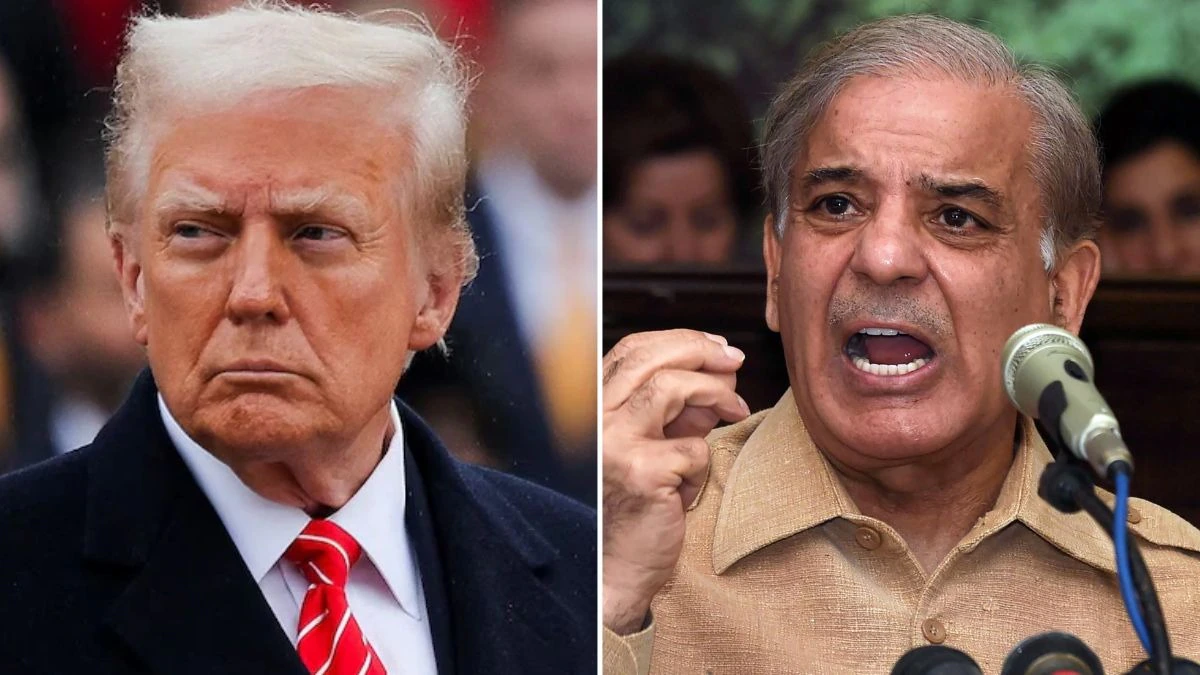
Pakistan has officially declined to engage in the Abraham Accords, with Defence Minister Khawaja Muhammad Asif asserting that such an agreement would contradict the nation’s core ideologies. This decision was reported by various Pakistani media outlets on May 26. During an interview with Samaa TV, the minister articulated the country’s position, indicating that the government does not intend to support initiatives that conflict with its foundational values.

Asif addressed queries regarding the potential alignment with the accords, mentioning that he believes joining these pacts is inappropriate. He underscored the inherent trust issues associated with engaging Israel, stating, “How will you sit down with those people whose word cannot be trusted even for a single day?” Such remarks reflect the longstanding hesitance of Pakistan to acknowledge Israeli legitimacy.

He elaborated further on the nation’s stance by remarking on the unique status of Pakistani passports, which do not acknowledge Israel. “We are the only country whose passports do not even include Israel’s name,” Asif noted, reinforcing the country’s refusal to recognise the state of Israel.

Trump’s Push for Regional Accord Participation

On the same day, US President Donald Trump advocated for various Muslim and Arab nations to join the Abraham Accords as part of a broader initiative aimed at establishing a regional settlement, particularly in relation to Iran. Trump commented on the favourable progression of negotiations with Iran, emphasising the potential significance of these accords. His statements suggest a push for a wider coalition among nations including Saudi Arabia, Qatar, Pakistan, Turkiye, Egypt, Jordan, and Bahrain.

In a post on Truth Social, Trump described the proposed agreements as a “Historic Event” for the Middle East. He advised that countries should consider signing the accords simultaneouly after an arrangement is struck with Iran. He warned that a failure in these negotiations could lead to renewed conflict, stating, “Back to the Battlefront and shooting, but bigger and stronger than ever before.”

Trump remarked on the perceived economic and social benefits that the Abraham Accords had already afforded current signatories, such as the United Arab Emirates, Bahrain, Morocco, Sudan, and Kazakhstan. He hoped that similar positive outcomes would arise for additional nations joining the accords.

Context of the Abraham Accords

The Abraham Accords were established in 2020 through US mediation and facilitated the normalisation of diplomatic, economic, and security relationships between Israel and several Arab nations. The accords have been hailed by supporters as a significant advancement in Middle Eastern diplomacy.

Trump’s claims include discussions with several key leaders from the region, including Crown Prince Mohammed bin Salman of Saudi Arabia and President Muhammad bin Zayed Al Nahyan of the UAE. He cited these discussions as pivotal for the future expansion of the accords.

In his commentary, Trump characterised the prospective agreements as potentially “the most important Deal” in the region’s history. He has directed his representatives to initiate steps towards involving additional nations in the Abraham Accords framework.

Long or Short, get news the way you like. No ads. No redirections. Download Newspin and Stay Alert, The CSR Journal Mobile app, for fast, crisp, clean updates!

App Store –  https://apps.apple.com/in/app/newspin/id6746449540 

Google Play Store – https://play.google.com/store/apps/details?id=com.inventifweb.newspin&pcampaignid=web_share

Latest News

Popular Videos
