


OpenClaw Launches Official App Enabling User Control Over AI Agents
The CSR Journal Magazine

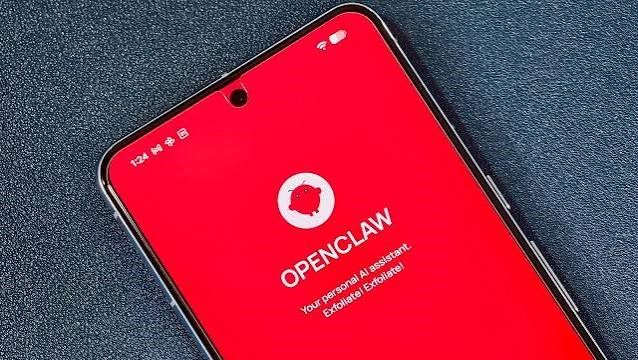
OpenClaw has officially launched applications for both Android and iPhone, allowing users to control AI agents directly from their mobile devices. The introduction of these official apps marks a shift from previous methods where some iPhone users relied on third-party platforms like Telegram or WhatsApp. Now, individuals can easily download the dedicated application from the Google Play Store or the Apple App Store to engage with their personal AI assistants.

How OpenClaw Functions

To comprehend the significance of this development, it is essential to understand the operational framework of OpenClaw. Unlike typical AI chatbots that connect immediately to a company’s central servers, OpenClaw interacts via a system referred to as the Gateway. This Gateway serves as the assistant’s core processing unit and can be stationed on a user’s local computer, a cloud server, or another user-controlled private infrastructure. The mobile application does not house the AI; instead, it functions as a remote interface facilitating communication with the Gateway.

This application allows users to engage with the AI through text or voice, authorise actions the AI attempts to execute, manage tasks autonomously performed by the AI, and receive timely notifications. Such capabilities extend beyond basic query responses, enabling the assistant to execute tasks based on user permissions. For example, users can instruct the AI to check their calendar and provide reminders or request assistance in organising photos.

The distinction lies in the type of AI being deployed. OpenClaw exemplifies an “agentic” AI, which not only responds to user interactions but can autonomously fulfil requests once given the necessary permissions. This type of interactive engagement elevates the user experience beyond mere conversation, transforming the assistant into a proactive tool.

Background of OpenClaw’s Development

The OpenClaw project has rapidly gained prominence, particularly after its founder, Peter Steinberger, transitioned to OpenAI earlier this year. Currently managed by a nonprofit entity known as the OpenClaw Foundation, the endeavour has attracted interest from OpenAI, which has indicated it will provide some level of assistance to the foundation, although specific details remain undisclosed.

In a related vein, OpenAI has introduced its inaugural hardware product, distinguishing it from widespread speculation regarding an AI phone. The new offering involves a collaboration with accessory manufacturer Work Louder, leading to the development of the Codex Micro. This device is aimed specifically at developers and features customisable keys and controls designed to enhance user interaction with OpenAI’s coding tool, Codex. The Codex Micro is expected to improve efficiency, allowing developers quicker access to its features without needing to switch between applications continually.

OpenAI is set to launch the Codex Micro on July 15, 2026, as part of its broader venture into consumer hardware. This initiative suggests a significant shift for the organisation, as it ventures into the realm of physical products, potentially expanding its portfolio with future projects reportedly in collaboration with former Apple designer Jony Ive.

Long or Short, get news the way you like. No ads. No redirections. Download Newspin and Stay Alert, The CSR Journal Mobile app, for fast, crisp, clean updates!

App Store –  https://apps.apple.com/in/app/newspin/id6746449540 

Google Play Store – https://play.google.com/store/apps/details?id=com.inventifweb.newspin&pcampaignid=web_share

Latest News

Popular Videos
