


NGT Directs Exploration of Bio-Fencing for Delhi Pond Over Concrete Walls
The CSR Journal Magazine

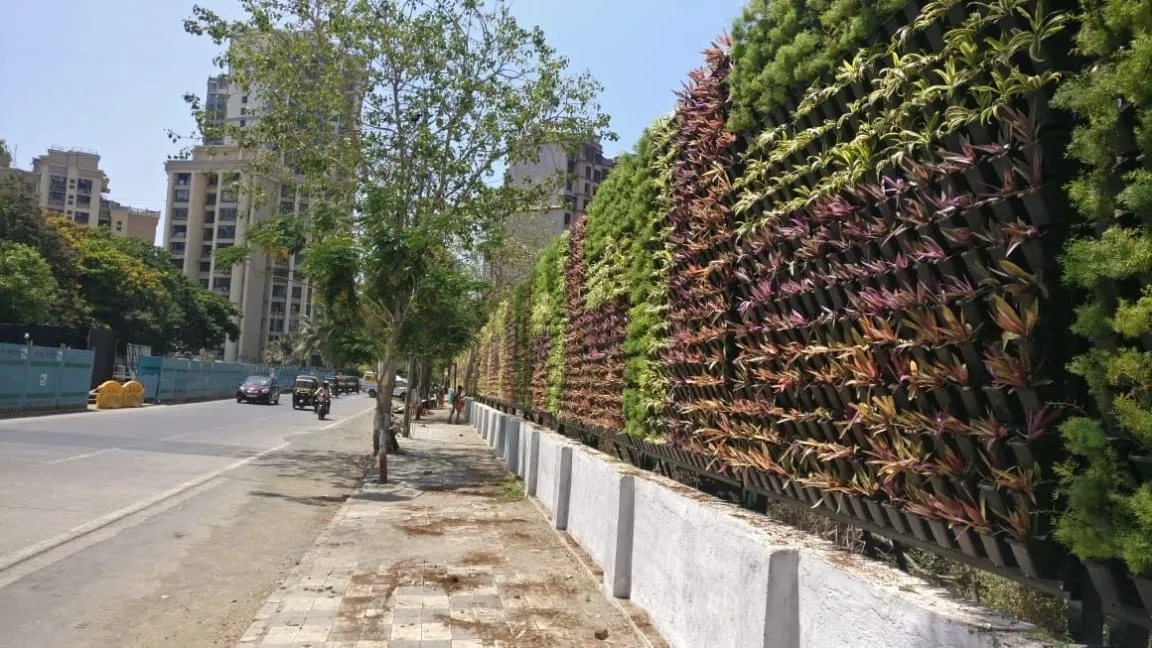
The National Green Tribunal (NGT) has instructed relevant authorities to consider the use of bio-fencing and plantation surrounding a pond in Delhi, rather than erecting a permanent concrete boundary wall. The Tribunal noted that concrete walls could hinder the natural flow of rainwater into the waterbody, potentially leading to its degradation. This directive aims to promote both environmental sustainability and aesthetic improvement around the area.

A bench comprising Justice Arun Kumar Tyagi and expert member A Senthil Vel delivered these instructions while discussing an execution application linked to a prior environmental case concerning the pond. The Tribunal evaluated status reports submitted by the Irrigation and Flood Control Department of the Delhi Government, as well as the District Magistrate of South West Delhi.

The Tribunal emphasised that constructing a permanent boundary wall might unintentionally obstruct water flow and surface runoff from surrounding areas, which could contribute to both degradation and stagnation of the pond. It urged authorities to make arrangements for the planting of trees and shrubs that would both protect the pond and enhance the local environment.

Encroachment Issues Addressed by Tribunal

Alongside addressing the issue of bio-fencing, the Tribunal also mandated authorities to identify existing encroachments within the pond area and initiate eviction proceedings in compliance with established legal processes. The benches clarified that pending applications do not authorise any demolition without adhering to due diligence.

The respondents were instructed to compile a comprehensive list of encroachments and to ensure that appropriate legal steps are taken against those infringing upon the pond area, while remaining mindful of any decisions from the Delhi High Court, Supreme Court, or any other competent judiciary body. This clarifies the importance of legal frameworks in protecting environmental assets.

In terms of waste management, the Tribunal requested regular clean-up operations for the pond and mandated that no solid waste be disposed of either within the pond or along its boundaries. To bolster this initiative, suitable warning signs are to be erected in relevant locations to inform the public about the importance of maintaining cleanliness.

Future Actions and Collaboration with Local Authorities

The NGT noted that financial provisions are already in place and a section of the boundary wall has been constructed. Consequently, the Tribunal instructed the authorities to consider the feasibility of implementing bio-fencing and planting in areas where further development is possible. Specific attention was drawn to engaging the Deputy Conservator of Forests to proceed with planting during the current monsoon season.

The Tribunal also sought the submission of additional status reports prior to the next hearing scheduled for September 8, detailing ongoing efforts, waste management measures, and actions taken to address the discharge of untreated sewage into the pond. These reports will aid in ensuring transparency and facilitate effective governance.

The Tribunal expressed optimism that the Municipal Corporation of Delhi and the Delhi Jal Board will provide the necessary cooperation to implement these remedial measures. A copy of the directive has been ordered to be communicated to the Commissioner of the Municipal Corporation, the Chief Executive Officer of the Delhi Jal Board, and the District Magistrate of South West Delhi to ensure compliance with the Court’s requirements.

Long or Short, get news the way you like. No ads. No redirections. Download Newspin and Stay Alert, The CSR Journal Mobile app, for fast, crisp, clean updates!

App Store –  https://apps.apple.com/in/app/newspin/id6746449540 

Google Play Store – https://play.google.com/store/apps/details?id=com.inventifweb.newspin&pcampaignid=web_share

Latest News

Popular Videos
