


New Toll Regulations For Overloaded Vehicles
The CSR Journal Magazine

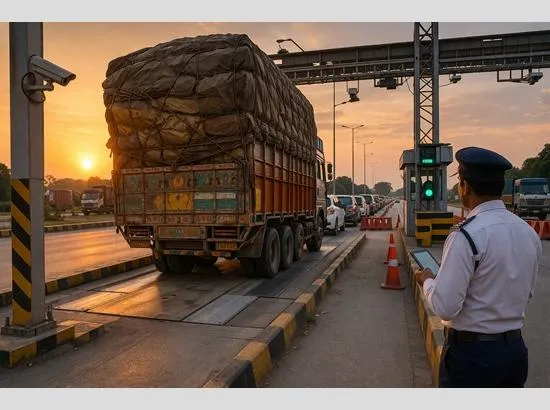
According to recent updates to toll regulations, vehicles found to be overloaded will face toll charges that may increase by up to four times the standard fee. This change is aimed at enhancing road safety and ensuring compliance with weight restrictions set for various vehicle types. The implementation of these regulations is expected to come into effect shortly, compelling drivers to adhere to the prescribed limits.

The new toll rates will be introduced to discourage the practice of transporting loads exceeding the legally permitted weight. It is asserted that overloaded vehicles can cause significant damage to infrastructure, which may lead to increased maintenance costs. The authorities believe that enforcing stricter toll charges will serve as a deterrent against this practice.

Furthermore, the additional revenue generated from these enhanced tolls is anticipated to be directed towards road repair and maintenance, creating improved travel conditions for all road users. The initiative showcases the government’s commitment to maintaining the structural integrity of the country’s transport networks.

Mandatory Reporting To Vahan System

In conjunction with the new toll structure, vehicle operators will now be required to report any overloaded vehicles to the Vahan system. This reporting is viewed as a critical step in effectively managing vehicle weights across the country. The Vahan system, which maintains a comprehensive database of registered vehicles, will play a pivotal role in tracking compliance with weight regulations.

Enforcement officers will have access to this data, allowing them to swiftly identify vehicles that are in violation of weight limits. The mandatory reporting aims to promote accountability among vehicle operators and enhance monitoring capabilities. Authorities expect this will lead to a noticeable decline in incidents of vehicle overloading.

The requirement for reporting aligns with national goals of improving road safety and reducing accidents caused by overloaded transport. By having a direct link with the Vahan system, the authorities believe they can act more decisively against violators, thereby safeguarding the interests of all road users.

Implications For Vehicle Operators

The implications of these new regulations for vehicle operators are significant. Operators must now be more vigilant about their vehicle weights before approaching toll plazas to avoid incurring steep fees. Many may need to invest in loading equipment or re-evaluate their operational practices to ensure compliance with the new guidelines.

Some experts have indicated that these measures could lead to increased operational costs for those involved in logistics and transport. Smaller operators may find it particularly challenging to adjust their practices due to financial constraints. This aspect has raised concerns about fair competition, especially among smaller transporters who may struggle to absorb the additional costs.

Despite the challenges, there is a recognition that these regulations aim to protect the roadways and accommodate safe transit for all vehicles. Addressing weight compliance could lead to fewer vehicle breakdowns and reduced delays on the roads, ultimately benefiting the logistics sector as a whole in the long run.

In summary, the introduction of higher tolls for overloaded vehicles and the mandatory reporting to the Vahan system marks a significant shift in the regulatory landscape for transport operations in India. It underscores the importance of responsible vehicle management in fostering safer road usage and maintaining infrastructure quality.

Long or Short, get news the way you like. No ads. No redirections. Download Newspin and Stay Alert, The CSR Journal Mobile app, for fast, crisp, clean updates!

App Store –  https://apps.apple.com/in/app/newspin/id6746449540 

Google Play Store – https://play.google.com/store/apps/details?id=com.inventifweb.newspin&pcampaignid=web_share

Latest News

Popular Videos
