


New NCERT Textbook Praises Judiciary After Controversial ‘Judicial Corruption’ Chapter
The CSR Journal Magazine

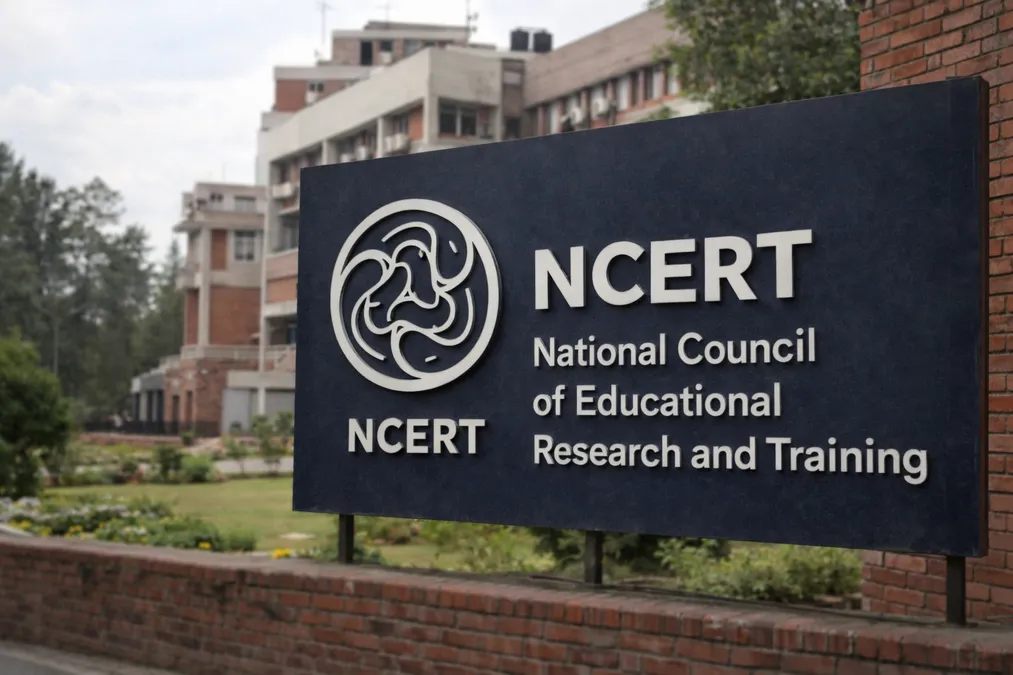
The National Council of Educational Research and Training (NCERT) has released a new textbook that commends the judiciary, emphasising its impartiality and independence. This release comes several months after debates surrounding a chapter addressing judicial corruption raised concerns within educational and legal circles. The NCERT aims to provide students with a comprehensive understanding of the judicial system in India, ensuring they are well-informed about its functions and significance.

Context of the Controversy

Earlier this year, a chapter discussing judicial corruption in the NCERT curriculum became a focal point of controversy. Critics argued that the inclusion of such content could undermine the credibility of the judiciary among young learners. In response to concerns from various stakeholders, including educators and legal experts, NCERT engaged in discussions to reassess the depiction of the judiciary in academic texts. The result is a new textbook that seeks to restore confidence in the judiciary while acknowledging the necessity of addressing its challenges.

This revised curriculum aims to clarify the values upheld by the Indian judiciary, portraying it as a vital component of the democratic framework in the country. Through educational materials, NCERT seeks to impart an understanding of the judiciary as a protector of rights and justice. Ultimately, this initiative is part of a broader attempt to maintain a balanced perspective on Indian institutions in educational resources.

The criticisms previously directed at the chapter on judicial corruption have prompted NCERT to undertake a more diligent approach in presenting judicial issues to students. The organisation’s leadership has indicated a commitment to transparency and rigor in educational content, reflecting on how complex subjects, like judicial integrity, can be taught responsibly without compromising foundational principles.

Reactions to the New Textbook

Educators and legal experts have welcomed the new curriculum, appreciating the focus on the principles of justice and the independence of the judiciary. Many believe that the updated textbook provides a more holistic view that encourages students to engage critically with the law and understand its role in society. This positive reception highlights a collective hope that the educational content will stimulate informed discourse among young learners.

Moreover, there is an expectation that this initiative will contribute to fostering a more respectful perception of the judiciary among future generations. By highlighting its impartial role, the educational framework seeks to instil a sense of civic responsibility and awareness regarding human rights. These discussions on the judiciary’s place within the wider context of governance and societal norms are seen as essential for developing informed citizens.

Despite the positive feedback, some remain cautious about any future implications of the curriculum changes. Observers note that ongoing dialogue regarding judicial integrity and other pertinent issues should continue in educational contexts. They argue that comprehensive education should include critical perspectives alongside commendations, ensuring students are well-equipped to engage with various aspects of governance in their future roles.

Future Implications for Educational Content

As NCERT continues to refine its educational materials, the judiciary’s portrayal remains pivotal in shaping young minds. The inclusion of themes reflecting accountability and transparency may signal a shift in how contentious topics are handled in academic resources. Should further revisions be made in response to societal expectations, ongoing assessments of such educational frameworks will be essential.

The new textbook is not an isolated effort but part of a continuous evolution within India’s educational landscape. By addressing prior concerns and adapting content accordingly, NCERT appears to be establishing a more robust foundation for instructing students about their country’s legal frameworks.

In conclusion, the balance between celebrating judicial integrity and acknowledging its challenges will be crucial in developing future educational materials. This proactive approach by NCERT aims to cultivate informed and responsible citizens within the democratic processes of India.

Long or Short, get news the way you like. No ads. No redirections. Download Newspin and Stay Alert, The CSR Journal Mobile app, for fast, crisp, clean updates!

App Store –  https://apps.apple.com/in/app/newspin/id6746449540 

Google Play Store – https://play.google.com/store/apps/details?id=com.inventifweb.newspin&pcampaignid=web_share

Latest News

Popular Videos
