


Ex-US Official Reveals Netanyahu’s Attempts to Initiate Conflict with Iran Were Rejected by Three Presidents Before Trump

The CSR Journal Magazine

Former US Secretary of State John Kerry has disclosed that Israeli Prime Minister Benjamin Netanyahu proposed military action against Iran to several American leaders, all of whom declined the proposal. During his appearance on The Late Show With Stephen Colbert, Kerry underscored that both Barack Obama and George W. Bush, along with Joe Biden, rejected Netanyahu’s overtures for a conflict with Tehran. He indicated that these administrations sought to avoid military engagement, believing they had not yet “exhausted all the remedies of peaceful process”.

Kerry Draws Lessons from Past Conflicts

Reflecting on his experiences as a veteran of the Vietnam War, Kerry articulated the significance of transparency in governance when considering military action. He asserted that the misrepresentation of the conflicts in Vietnam and Iraq highlights the necessity of honest communication with the public before deploying armed forces. He emphasised, “The lesson of that war and of Iraq is don’t lie to the American people and then ask them to send their sons and daughters to fight.” This ethos formed a core part of the resistance to engaging in a new conflict with Iran.

Moreover, Kerry dismissed Netanyahu’s arguments as lacking credibility, describing them as a “prediction” that did not materialise. He pointed out that the anticipated uprisings or transitions in power had not occurred, undermining the Israeli leader’s justification for military intervention.

Trump’s Administration Responds Differently to Netanyahu’s Proposal

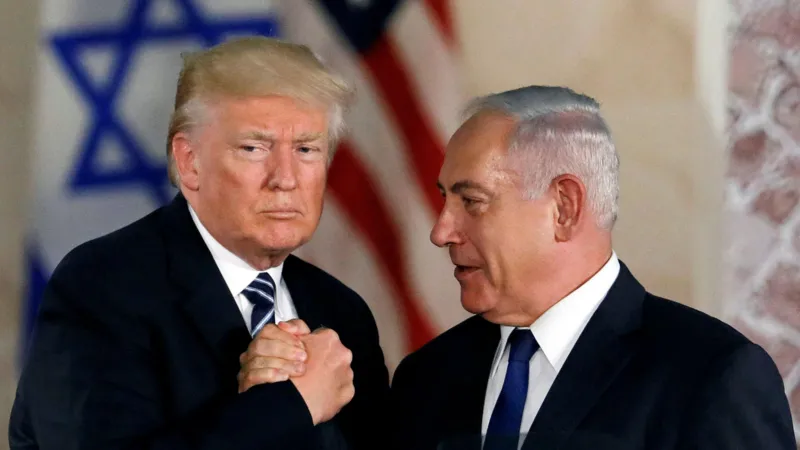
President Trump reportedly responded positively to this proposal, saying, “Sounds good to me,” which effectively signalled approval for further discussions regarding a potential joint military operation. This marked a significant shift in the United States’ stance towards Iran, which had been largely characterised by restraint under prior administrations.

Despite initially backing the proposal, the strategy came under scrutiny from within the US administration. Reports indicated that Vice President JD Vance confronted Netanyahu about his optimistic assessments of the situation. Vance expressed doubts regarding the likelihood of successful regime change in Iran, critiquing what he termed “overly rosy assumptions” related to the conflict. Such internal discussions suggested a growing caution among US officials about the risks involved in military intervention.

Concerns Over Military Intervention Persist

The dynamic between the Israeli Prime Minister and the US President highlights the complexities involved in deliberating military action. A US official conveyed that Netanyahu had presented an overly simplified view of the potential for regime change, likening it to a straightforward venture. Vance’s pushback illustrated a critical hesitation among US leadership concerning the accuracy of Israel’s assessments and the overall ramifications of engaging in a military conflict with Iran.

This ongoing dialogue reflects a continuing challenge for US-Israel relations, particularly as both nations navigate the geopolitical implications of military strategies in the Middle East. Both the timing and approach of any proposed military action remain subjects of intense scrutiny and debate among US officials.

As discussions unfold, the historical context of previous administrations’ decisions serves as a crucial reference point for current policymakers aiming to balance their strategic interests in the region.

Long or Short, get news the way you like. No ads. No redirections. Download Newspin and Stay Alert, The CSR Journal Mobile app, for fast, crisp, clean updates!

App Store –  https://apps.apple.com/in/app/newspin/id6746449540 

Google Play Store – https://play.google.com/store/apps/details?id=com.inventifweb.newspin&pcampaignid=web_share

Latest News

Popular Videos