


Nepal: Prime Minister Balendra Shah Initiates Squatter Eviction
The CSR Journal Magazine

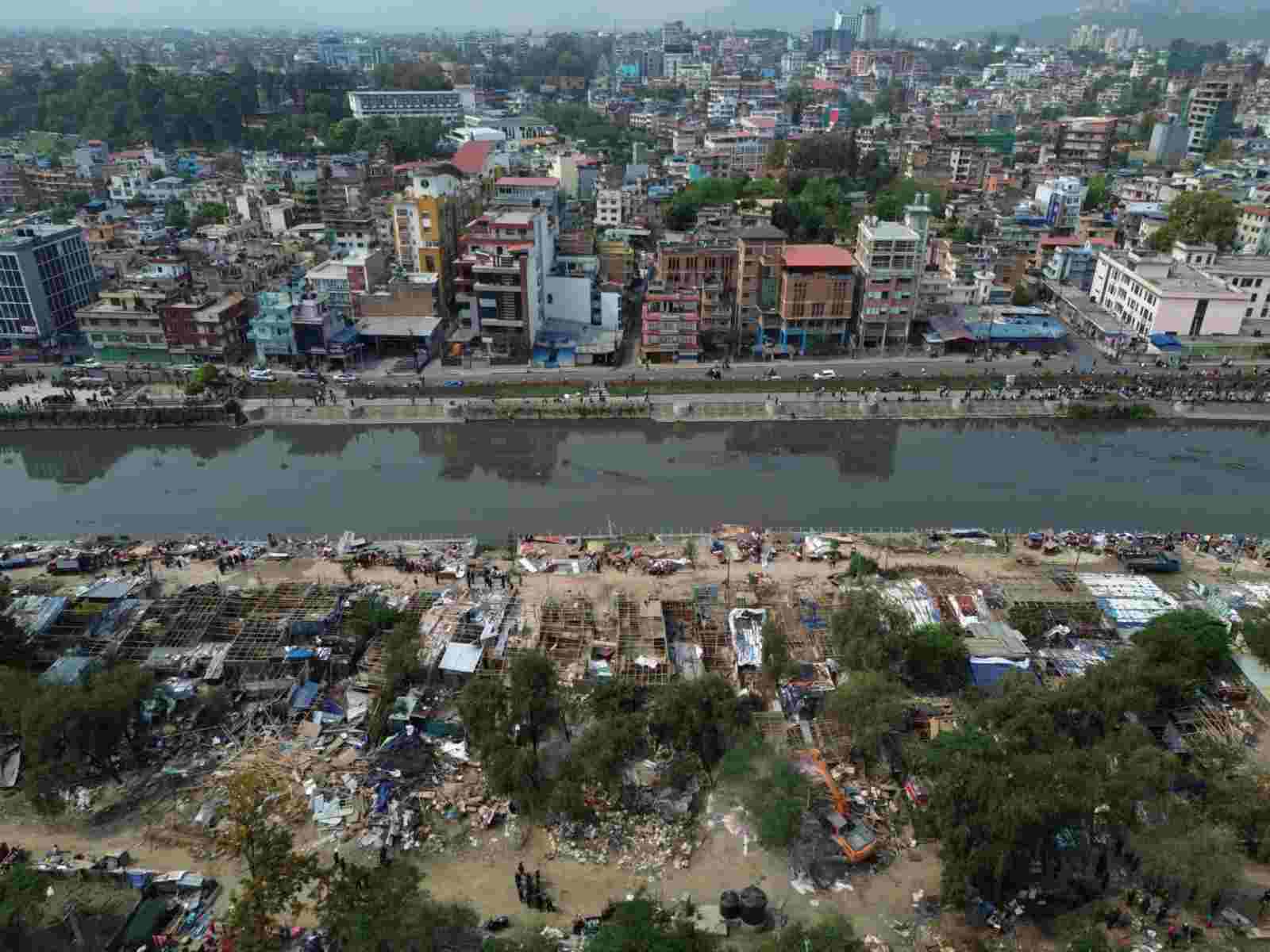
The demolition of illegal settlements along the riverside embankments in Kathmandu Valley has begun as Prime Minister Balendra Shah implements a plan aimed at clearing encroachments. This initiative follows previous unsuccessful attempts made during his tenure as mayor, which faced fierce opposition and resulted in violence.

During an earlier eviction effort on November 28, 2022, Shah’s actions prompted clashes that left thirty-six individuals injured, including the municipal police chief. Subsequent efforts to gain support from multiple home ministers reportedly failed, leading to the postponement of the plans. However, as of Saturday, security forces, including units from the Kathmandu Metropolitan Police and the Armed Police Force, have been deployed to manage the operation smoothly without incident.

Residents received notices to vacate their homes and relocate belongings, prompting some to leave as recently as the day before the operation commenced. Bishnu Prasad Joshi, Chief of the Kathmandu Metropolitan Police, declared that the area targeted for evacuation was non-residential and that previous appeals for residents to leave had been issued.

Government’s Strategy for Handling Squatter Issues

The government has initiated the operation following preliminary clearance actions carried out on April 20. This first phase predominantly focuses on the Thapathali, Manohara, and Sinamangal-Gairigaun settlements. Authorities are coordinating with relevant organisations, and security measures have been intensified since the early hours of the eviction drive.

Prime Minister Shah has stated his intention to differentiate between encroachers and genuine squatters, promising to allocate land to families that qualify as genuine squatters. His comments aim to cast the eviction not merely as a swift removal of residents, but as part of a broader strategy to address long-standing issues related to land occupation throughout Nepal.

Shah has engaged with the public regarding the risks associated with living along riverbanks, citing past instances of disorder during floods. The Prime Minister emphasised the need for appropriate housing solutions and proactive measures to avoid future disasters related to settlement encroachment.

Reactions from the Public and Human Rights Bodies

Human rights bodies, including the National Human Rights Commission, have echoed concerns regarding the methodology of the eviction. They have called for updates on the government’s efforts to ensure that genuine squatters receive alternative housing rather than being forcibly removed without prior consultation.

Amnesty International has raised alarms about the potential human rights implications of the drive, describing it as an encroachment on the rule of law. They stress the necessity for verification, consultation, and assurances of alternative housing for families affected by the eviction to prevent a crisis.

The Kathmandu Metropolitan City (KMC), in collaboration with the central government, has pledged to approach the eviction process with a degree of humanity. Acting Mayor Sunita Dangol stated the importance of maintaining respect for human dignity while ensuring the legal and fair execution of the plans.

Looking ahead, the evacuation drive is set to continue, forming part of a broader strategy that includes a national survey and verification of landless squatters, with the goal of resolving these issues systematically over a fixed timeline.

Long or Short, get news the way you like. No ads. No redirections. Download Newspin and Stay Alert, The CSR Journal Mobile app, for fast, crisp, clean updates!

App Store –  https://apps.apple.com/in/app/newspin/id6746449540 

Google Play Store – https://play.google.com/store/apps/details?id=com.inventifweb.newspin&pcampaignid=web_share

Latest News

Popular Videos
