


New 27-Tonne Dinosaur Species Discovered in Thailand by Scientists
The CSR Journal Magazine

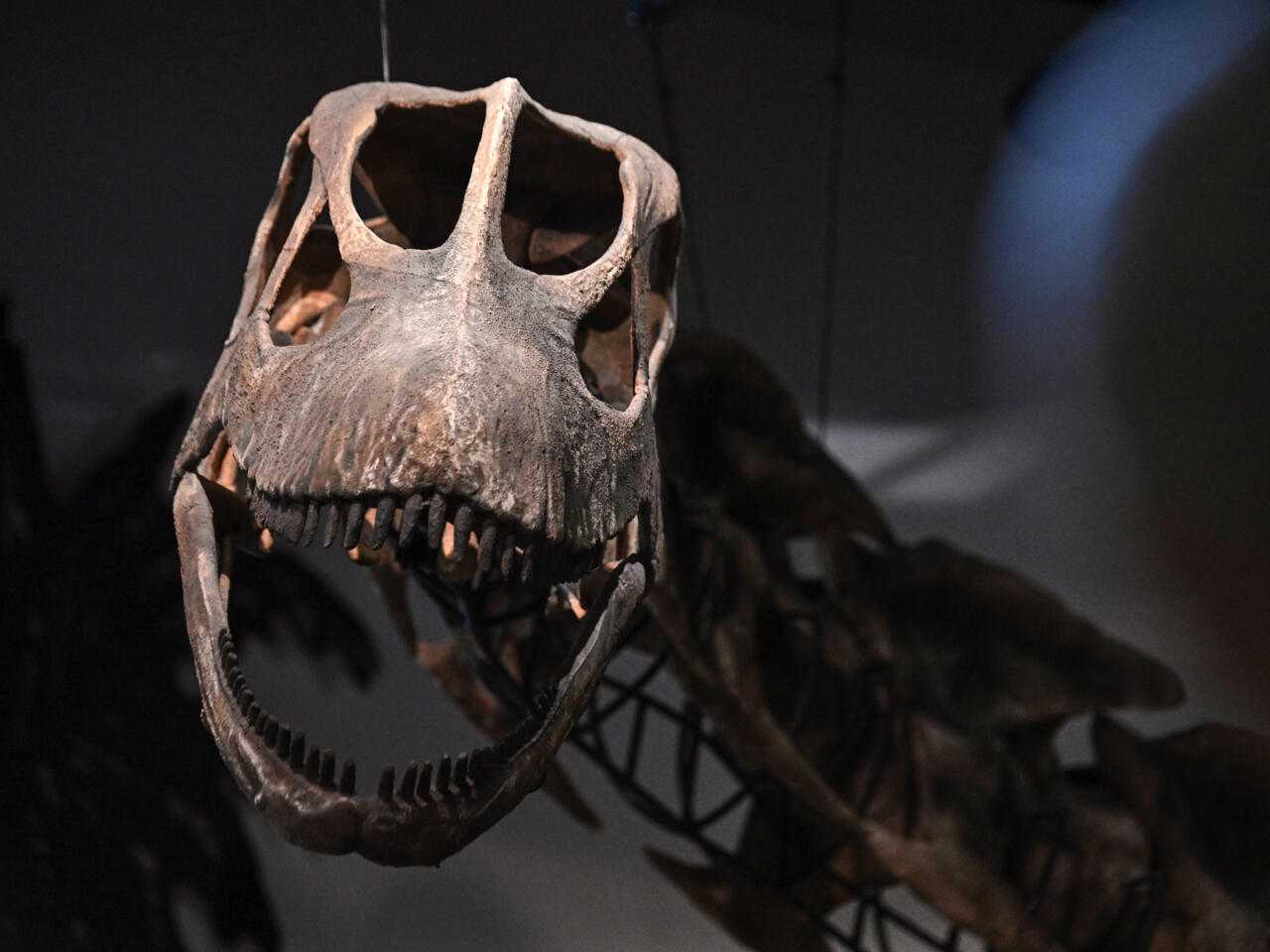
Scientists have announced the discovery of a substantial new species of dinosaur in Thailand, named Nagatitan chaiyaphumensis. This dinosaur is estimated to weigh approximately 27 tonnes, which is comparable to the weight of nine adult elephants. It represents the largest known dinosaur from Southeast Asia, as detailed in a report published in the journal Scientific Reports.

Nagatitan is classified as a member of the sauropod lineage, which is distinguished by their long necks, long tails, small heads, and four sturdy legs. Preliminary assessments suggest this herbivore could have reached lengths of up to 27 metres (89 feet). According to research, this species roamed the area that is now modern-day Thailand between 100 and 120 million years ago.

Although the fossils recovered did not include its head or teeth, researchers were able to infer its feeding habits by studying similar sauropod species. This evidence indicates that Nagatitan likely consumed large quantities of vegetation with minimal chewing.

Characteristics and Classification

The study indicates that Nagatitan was likely a bulk feeder that preferred fibrous plant material, including conifers and possibly seed ferns. Thitiwoot Sethapanichsakul, a PhD student from University College London and the lead author of the research, remarked on the size of the species, noting that it likely exceeded the weight of the well-known Diplodocus, which was previously showcased at London’s Natural History Museum.

Sethapanichsakul dubbed Nagatitan “the last titan” due to its discovery within one of Thailand’s most recent rock formations where dinosaur fossils have been located. As the region transitioned into a shallow sea during the Cretaceous period, it no longer supported sauropod populations.

Nagatitan belonged to a subgroup of sauropods that originated around 140 million years ago and outlasted other sauropods until the mass extinction event 66 million years ago, attributed to an asteroid impact. This prolonged existence showcases the significance of this dinosaur in the evolutionary history of the region.

Discovery and Cultural Significance

The initial remains of this colossal dinosaur were discovered approximately a decade ago by local residents in Northeast Thailand. However, comprehensive excavation efforts were only finalised in 2024, allowing for advanced study of the fossils. Researchers observed that while some characteristics resembled previously known sauropods, there were distinctive features warranting its classification as a new species.

The nomenclature of Nagatitan incorporates “Naga,” a serpent-like figure in some Southeast Asian religious beliefs, which is prominently depicted in various temples throughout Thailand. This new species adds to the growing list of named dinosaurs from the region, which now totals 14.

A life-sized reconstruction of Nagatitan chaiyaphumensis is currently displayed at the Thainosaur Museum in Bangkok, offering visitors a glimpse into the prehistoric past and highlighting Thailand’s significance in dinosaur research.

Long or Short, get news the way you like. No ads. No redirections. Download Newspin and Stay Alert, The CSR Journal Mobile app, for fast, crisp, clean updates!

App Store –  https://apps.apple.com/in/app/newspin/id6746449540 

Google Play Store – https://play.google.com/store/apps/details?id=com.inventifweb.newspin&pcampaignid=web_share

Latest News

Popular Videos
