


Owaisi Criticises Indore High Court Order Regarding Bhojshala Complex
The CSR Journal Magazine

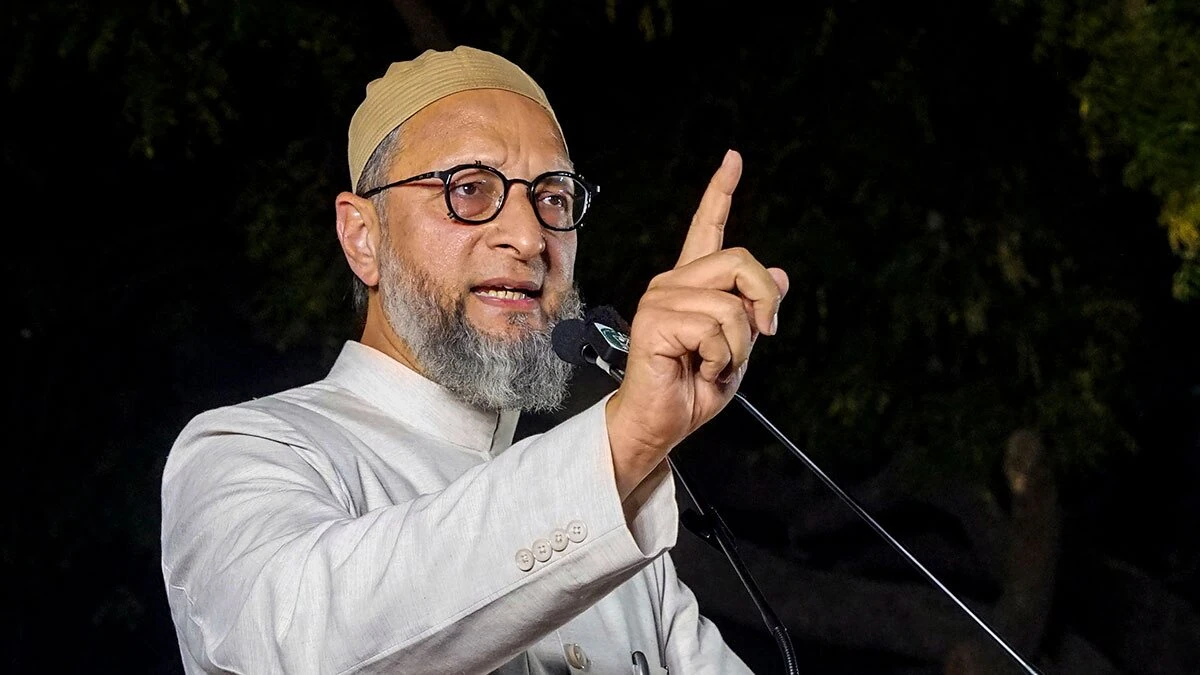
The president of the All India Majlis-e-Ittehadul Muslimeen (AIMIM), Asaduddin Owaisi, has voiced significant objections to a recent ruling by the Indore Bench of the Madhya Pradesh High Court concerning the Bhojshala complex located in the Dhar district. Owaisi pointed out that there are striking similarities between this case and the earlier Babri Masjid-Ram Janmabhoomi case, suggesting potential implications for the ongoing legal landscape.

In a post on X, Owaisi expressed his hope that the Supreme Court will overturn the High Court’s order. He stated that the ruling bears “glaring similarities with the Babri Masjid judgment,” raising concerns about the precedent it may set for other religious sites in the country.

During a press conference, Owaisi asserted that the court’s decision ignored the provisions of the Places of Worship Act, which protects the religious status of places of worship as they existed on August 15, 1947. This oversight, according to him, was a critical error that undermined the legal framework governing such disputes.

Details of the High Court Ruling

The High Court’s verdict granted the Hindu community the right to worship at the Bhojshala complex and recognised it as belonging to Raja Bhoj. This decision came amidst a backdrop of historical claims and ongoing disputes regarding the site’s ownership. Owaisi argued that the court failed to acknowledge various legal documents, including the 1935 Dhar State Gazette and the 1985 Waqf registration, which are essential to understanding the site’s historical context.

Vishnu Shankar Jain, representing the Hindu side in the case, praised the judgement, labelling it as “historic.” He noted that the court had partially set aside an earlier order by the Archaeological Survey of India (ASI) dated April 7, 2003, which had previously granted rights for prayers by the Muslim community.

According to Jain, the court also addressed a request for the repatriation of an idol currently held in a museum in London. The Indore High Court directed the government to examine this request and also allowed the Muslim side to present its perspective. Additionally, the court suggested that the government consider providing alternative land for the Muslim community to ensure resolution.

Implications for Ongoing Legal Disputes

Owaisi’s remarks reflect the broader implications of the High Court’s ruling on ongoing disputes regarding religious sites in India. He emphasised that the court did not fully consider the complexities surrounding the title and ownership claims linked to the site of the Bhojshala complex.

In response to the ruling, Jain mentioned that the court has mandated the government to oversee the management of the site, restricting worship practices exclusively to Hindu rituals. This directive appears to reverse the previous status quo, where both communities were permitted to offer prayers at the site.

As the situation evolves, both sides seem prepared to escalate the matter to higher judicial authorities, indicating that the legal landscape surrounding places of worship in India remains contentious and fraught with potential challenges ahead.

Long or Short, get news the way you like. No ads. No redirections. Download Newspin and Stay Alert, The CSR Journal Mobile app, for fast, crisp, clean updates!

App Store –  https://apps.apple.com/in/app/newspin/id6746449540 

Google Play Store – https://play.google.com/store/apps/details?id=com.inventifweb.newspin&pcampaignid=web_share

Latest News

Popular Videos
