


Nearly 30% of Pakistanis Live in Poverty Amid Education Cuts
The CSR Journal Magazine

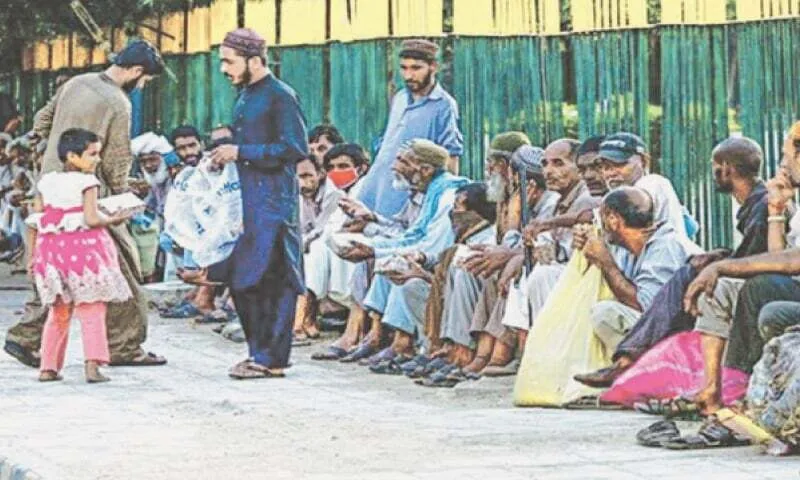
Recent findings indicate that nearly thirty per cent of Pakistan’s population now lives in poverty, a significant increase from the previous figures. The Pakistan Economic Survey 2025-26, referenced by Geo News, provides an in-depth look at the nation’s economic state, revealing that the national poverty rate has surged to 28.9 per cent in 2024-25, up from 21.9 per cent in 2018-19. This rise in poverty is attributed to deteriorating economic conditions, including escalating inflation and diminished purchasing power.

The survey points out that recent years have witnessed a troubling reversal in trends aimed at poverty reduction. Families across both urban and rural areas are feeling the strain of rising living costs, further exacerbating the situation. While rural regions remain particularly affected, urban poverty is also on the rise, showcasing that economic difficulties are pervasive throughout the country.

Rising Inequality Amidst Economic Challenges

Alongside the increase in poverty, the survey highlights a growing disparity in income distribution, suggesting that while some individuals have weathered economic setbacks, many have not. The findings reveal that economic shocks have disproportionately impacted lower-income segments, leading to a wider gap between the wealthy and the impoverished. The lack of resilience among vulnerable households makes them susceptible to further external economic shocks, such as disruptions in remittances, which are a crucial income source for many families in Pakistan.

According to the report, this situation is particularly regressive, with the poorest suffering the most from ongoing economic turmoil. It stresses that without intervention, rising financial pressures could drastically reduce the purchasing power of these households, compounding their struggles.

The survey reinforces the urgency of addressing these inequalities, noting that the combination of increasing poverty and widening income disparity presents a formidable challenge for Pakistan’s economic stability.

Decline in Education Funding Poses Further Threat

The Economic Survey has also raised alarms about the steep decline in government spending on education. In fiscal year 2025, expenditures on education fell by 23 per cent to Rs 962 billion, resulting in education accounting for merely 0.8 per cent of the country’s GDP. This sharp decline marks one of the lowest levels of education funding in Pakistan’s history, leading to concerns about the quality of education and infrastructure in schools, particularly in less affluent areas.

The data reveals that while there have been some improvements in school enrolment, a significant number of children remain outside the education system, and literacy rates, especially among women, lag behind. The report asserts that improved educational standards are crucial for enhancing living conditions and generating economic opportunities. It calls for consistent reforms aimed at increasing access, quality, and governance within the education sector.

The survey advocates for enhanced public investment in education as a critical need for sustaining economic development and societal growth. As poverty levels rise concurrently with diminishing educational funding, Pakistan faces an urgent need to address these interrelated issues to foster an environment conducive to progress.

Long or Short, get news the way you like. No ads. No redirections. Download Newspin and Stay Alert, The CSR Journal Mobile app, for fast, crisp, clean updates!

App Store –  https://apps.apple.com/in/app/newspin/id6746449540 

Google Play Store – https://play.google.com/store/apps/details?id=com.inventifweb.newspin&pcampaignid=web_share

Latest News

Popular Videos
