


MIT Develops a 300-Gram Robot Capable of Flight and Diving
The CSR Journal Magazine

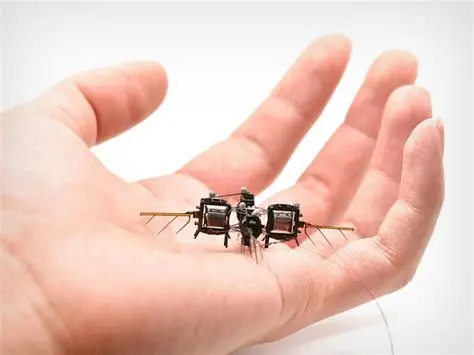
The Massachusetts Institute of Technology (MIT) has created a unique robot weighing 300 grams that exhibits the ability to fly through the air, dive underwater, and then take off again. This innovative design mimics the dynamic flight and diving capabilities of birds, particularly focusing on the natural behaviour of species that transition seamlessly between aerial and aquatic environments.

The robot is engineered to showcase advanced robotic mobility, leveraging cutting-edge technology that allows for a coordinated flight and submersion process. The development represents a significant step forward in robotics, indicating potential applications in diverse fields such as search and rescue operations, environmental monitoring, and even recreational activities.

Technical Features and Functionality

This new robot integrates lightweight materials and sophisticated propulsion systems, which facilitate both in-air and underwater navigation. Its design incorporates wings powered by a special mechanism that allows for quick take-offs and smooth landings. Moreover, the transition phase, where the robot moves from flying to diving, has been optimised to ensure stability and balance.

The vehicle utilises sensors and artificial intelligence to navigate its environment autonomously. It reportedly collects data while flying and diving, which can be beneficial for research purposes or environmental assessments. The robot’s ability to operate in both air and water makes it an important tool for scientists studying ecosystems where both mediums interact.

Engineers at MIT have stated that this project aims not only to advance robotics but also to explore the natural behaviours observed in diving birds. The design process involved extensive research on how these birds manage to soar, dive, and resurface, which has greatly influenced the robot’s capabilities.

Potential Applications of the Robot

The ability of the robot to switch between flying and diving offers numerous potential applications in various sectors. For instance, in disaster management, the robot could be deployed to assess areas that are flooded or otherwise difficult for humans to access. Its agility in navigating between terrains makes it especially valuable for urgent scenarios where timely data collection is critical.

Moreover, the environmental monitoring sector may benefit from the robot’s functionality. The device can gather data on water quality, aquatic life, and atmospheric conditions, providing researchers with essential information needed for effective environmental stewardship. The versatile nature of this robot opens up possibilities for innovation in fields ranging from wildlife conservation to marine biology.

Further enhancements are expected as MIT continues to refine its design. Researchers are exploring ways to increase the duration of its operational capabilities, ensuring that the robot can function effectively over extended periods. The integration of renewable energy sources may also be examined to improve sustainability in its overall design.

Conclusion and Future Endeavours

The development of this 300-gram robot by MIT signifies a noteworthy advancement in the field of robotics, showcasing remarkable capabilities that mirror natural behaviours found in wildlife. The innovative features enable it to engage in dual environments, fostering new opportunities for research and application across various industries.

Ongoing research may lead to even more sophisticated designs capable of tackling complex tasks in challenging environments. The implications of this technology could pave the way for future innovations in robotics that bridge the gap between flying and aquatic functionalities.

Overall, MIT’s commitment to advancing robotic technology stands as a crucial element in addressing future challenges, enhancing both our understanding of the natural world and our technological capabilities. The full range of potential uses continues to be a focus as further enhancements are made.

Long or Short, get news the way you like. No ads. No redirections. Download Newspin and Stay Alert, The CSR Journal Mobile app, for fast, crisp, clean updates!

App Store –  https://apps.apple.com/in/app/newspin/id6746449540 

Google Play Store – https://play.google.com/store/apps/details?id=com.inventifweb.newspin&pcampaignid=web_share

Latest News

Popular Videos
