


Maharashtra TET Allows Hijab and Dupatta But Requires Visible Faces
The CSR Journal Magazine

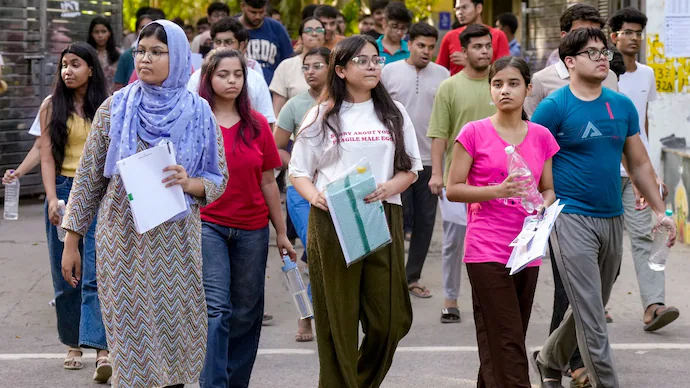
In a recent announcement, the Maharashtra State Council of Examination (MSCE) confirmed that female candidates participating in the Maharashtra Teacher Eligibility Test (TET) can wear a hijab, burqa, or dupatta during the exam. This decision comes just days before the scheduled examination date of June 28, following complaints from several women about earlier restrictions that prohibited the wearing of hijabs, burqas, masks, and caps.

The latest guidelines stipulate that while candidates may wear such garments, they must ensure that their faces remain fully visible at all times inside the examination hall. This measure is aimed at enhancing security and preventing malpractice during the exam.

Reasons Behind the Revised Guidelines

The MSCE explained that the revision of its dress code was prompted by concerns regarding the potential misuse of electronic devices, such as artificial intelligence-enabled gadgets and miniature cameras. The council outlined the necessity for transparency in the examination process, emphasising that approximately six lakh candidates’ faces must be clearly visible on live CCTV feeds during the test.

Furthermore, the council referred to a judgement from the Bombay High Court, which upheld a college’s dress code and indicated that wearing a hijab or naqab does not qualify as an essential religious practice. This legal precedent contributed to the development of the new guidelines.

The council’s adherence to security protocols mirrors the regulations enforced in various national and state-level recruitment examinations, conducted by organisations like UPSC, SSC, and others. Such measures are common to safeguard against any unfair practices during these high-stakes evaluations.

Regulations for Candidates on Exam Day

According to the clarified instructions, female candidates entering the examination centre can wear their dupattas or other similar garments. However, these must be arranged in such a way that their face, ears, head, and mouth remain uncovered during the examination itself. This requirement is essential for proper identification and monitoring via CCTV.

In terms of permitted items, candidates will not be allowed to wear shoes or socks inside the examination hall. They can bring only a black or blue ballpoint pen, an identity proof, a photocopy of the identity document, and a transparent water bottle. This restricted list is aimed at minimising any potential for cheating or disruption during the exam.

The MSCE reiterated that these regulations are in line with the norms of transparency and fairness encountered in various recruitment examinations across India. By establishing such guidelines, the council aims to ensure a level playing field for all candidates, strictly adhering to the principles of integrity in the examination process.

Long or Short, get news the way you like. No ads. No redirections. Download Newspin and Stay Alert, The CSR Journal Mobile app, for fast, crisp, clean updates!

App Store –  https://apps.apple.com/in/app/newspin/id6746449540 

Google Play Store – https://play.google.com/store/apps/details?id=com.inventifweb.newspin&pcampaignid=web_share

Latest News

Popular Videos
