


Locals Renew Demand to Relocate Asiatic Lions to Kuno During President’s Visit
The CSR Journal Magazine

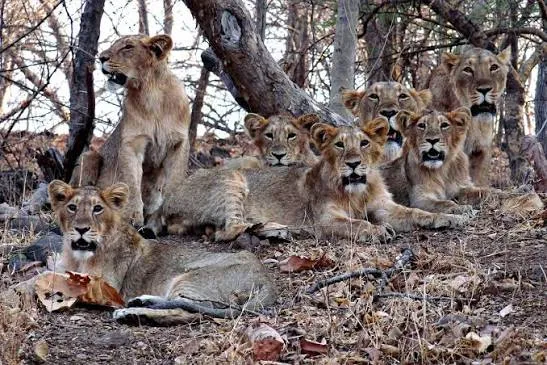
The long-standing call to relocate Asiatic lions to Kuno National Park resurfaced on 22 June 2026, as President Droupadi Murmu visited the wildlife reserve situated in Madhya Pradesh’s Sheopur district. Local residents, organised under the Kuno Sangharsh Samiti, staged a protest, presenting a memorandum to the President, urging the government to realise Kuno’s initial purpose of hosting these lions by bringing them from Gujarat’s Gir Forest.

Protest Details and Historical Context

Demonstrators gathered at Gandhi Park in Sheopur, leading a sit-in to draw attention to their cause. The protest was spearheaded by Atul Chauhan, the committee’s convenor and former Congress district president. Participants carried placards, shouted slogans, and submitted a memorandum to local authorities for delivery to the President. The Kuno Sangharsh Samiti highlighted that Kuno was designated by the Wildlife Institute of India in 1993-94 as the optimal habitat for establishing a second home for Asiatic lions.

To prepare for this project, 25 villages were relocated, affecting around 4,545 families. This relocation aimed to create a largely human-free environment, conducive to the endangered species. In their memorandum, the committee underscored the increasing lion population in Gir, alongside incidents of disease and accidents leading to lion deaths, that accentuate the urgent need for an additional secure habitat.

The memorandum also referenced a Supreme Court ruling from 2013, which recognizes Asiatic lions as a national heritage and mandates their translocation to Kuno National Park. The protesters contended that the ongoing reintroduction of cheetahs at Kuno and the proposed relocation of lions should not be seen as competing projects. The committee suggested that both species could coexist successfully within an effectively managed ecological framework, thereby bolstering Kuno’s allure as a hub for international conservation.

Economic Considerations and Future Prospects

The activist group expressed that the relocation of lions could yield significant economic advantages for the local population. They argued it would not only enhance tourism in Sheopur but also generate new employment opportunities for the youth of the region. Chauhan remarked, “Kuno was developed as a second home for Asiatic lions, and thousands of families sacrificed their land and livelihoods for that objective. We appeal to the President to encourage the Centre to take the necessary steps to settle lions in Kuno.”

The recent resurgence of this demand, particularly during President Murmu’s visit, has placed the topic of Asiatic lion translocation back in public discourse. The onus now falls upon the Centre and wildlife authorities to reassess this long-advocated proposal and consider taking actionable steps toward establishing a second habitat for the endangered species at Kuno National Park.

The transition of Asiatic lions to Kuno has been an ongoing topic of interest within conservation circles and among local communities alike. As discussions progress, stakeholders remain focused on how to balance ecological needs with community concerns, as well as the projected benefits to biodiversity and local economies.

Long or Short, get news the way you like. No ads. No redirections. Download Newspin and Stay Alert, The CSR Journal Mobile app, for fast, crisp, clean updates!

App Store –  https://apps.apple.com/in/app/newspin/id6746449540 

Google Play Store – https://play.google.com/store/apps/details?id=com.inventifweb.newspin&pcampaignid=web_share

Latest News

Popular Videos
