


Kharif Sowing Slows As Weak Monsoon Delays Planting Across Rain-Fed Regions
The CSR Journal Magazine

India’s kharif sowing season has lost momentum as the southwest monsoon enters another weak phase, delaying planting across several rain-fed agricultural regions despite a significant improvement in the country’s overall rainfall deficit.

Farmers had sown kharif crops across 531.25 lakh hectares by around July 10, about 16 per cent below the 632.69 lakh hectares recorded during the corresponding period last year, according to the latest weekly sowing data from the Ministry of Agriculture and Farmers’ Welfare.

Kharif Sowing Gap Narrows But Several Crops Remain Behind

The gap in kharif sowing has narrowed from more than 20 per cent a week earlier following a revival of monsoon rainfall in early July.

However, planting remains behind schedule across several states, particularly for crops such as soybean, cotton, pulses and coarse cereals.

Widespread rainfall in early July helped reduce India’s seasonal rainfall deficit from nearly 40 per cent at the end of June to around 14 per cent. The monsoon subsequently weakened again, affecting the pace of agricultural activity.

Uneven Rainfall Delays Planting In Rain-Fed Regions

Kharif crops are typically sown between June and July following the arrival of the southwest monsoon and harvested from September onwards.

Major kharif crops include rice, soybean, cotton, maize, pulses and groundnut, many of which depend heavily on seasonal rainfall rather than irrigation.

The recent improvement in rainfall was driven largely by heavy showers over central India, while eastern and northeastern states continue to face substantial rainfall deficits.

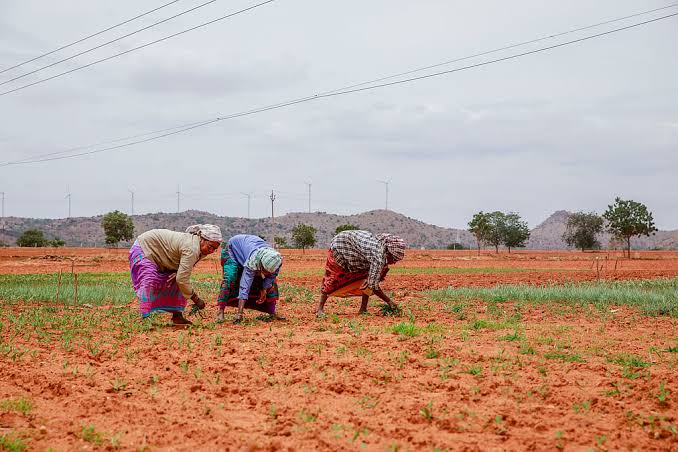
Farmers in several rain-fed regions are still waiting for sufficient soil moisture before beginning sowing or transplanting operations.

Dry Spell Raises Concerns Over Crop Establishment

Even in areas that received heavy rainfall, the subsequent return of dry weather has raised concerns over newly planted crops.

Young seedlings require consistent moisture during the first few weeks after sowing. Extended dry spells can affect germination, weaken crop establishment and ultimately reduce yields.

The slowdown is particularly significant because July is the most important month for kharif planting across the country.

IMD Forecasts Below-Normal Rainfall In July

Meteorologists have attributed the latest slowdown to a monsoon break, a regular feature of the rainy season during which the monsoon trough shifts closer to the Himalayan foothills, reducing rainfall across large parts of the plains.

The India Meteorological Department (IMD) has forecast July rainfall at below 94 per cent of the Long Period Average (LPA).

A developing El Nino in the Pacific Ocean could also influence rainfall during the later part of the monsoon season.

With nearly half of India’s cultivated land dependent on rainfall, the next active phase of the southwest monsoon will be crucial for accelerating kharif sowing and protecting crop yields during the remainder of the season.

Long or Short, get news the way you like. No ads. No redirections. Download Newspin and Stay Alert, The CSR Journal Mobile app, for fast, crisp, clean updates!

App Store –  https://apps.apple.com/in/app/newspin/id6746449540 

Google Play Store – https://play.google.com/store/apps/details?id=com.inventifweb.newspin&pcampaignid=web_share

Latest News

Popular Videos
