


JD Vance to Lead US Delegation in Iran Ceasefire Negotiations in Pakistan on April 22
The CSR Journal Magazine

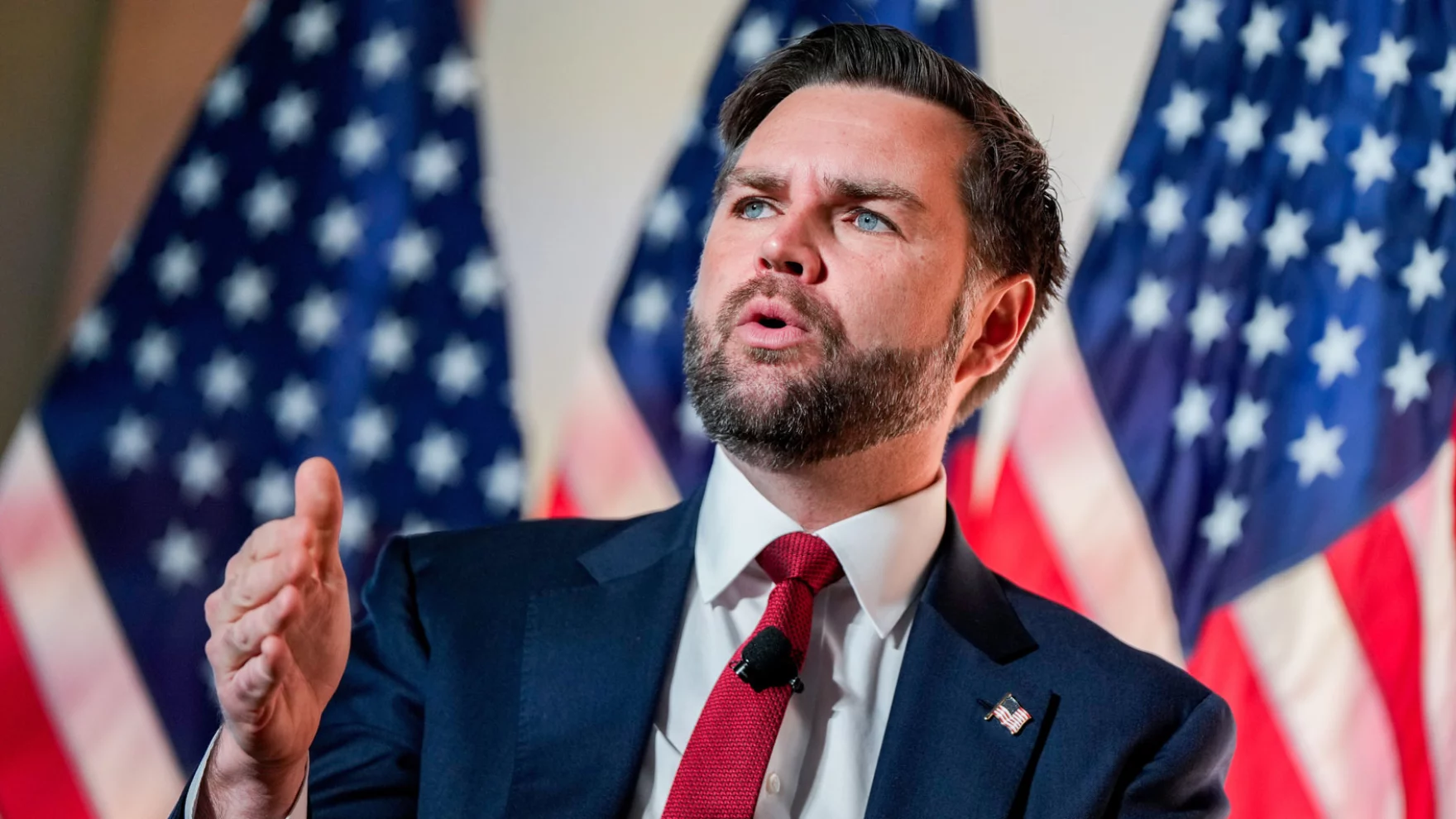
US Vice President JD Vance is preparing to arrive in Islamabad on April 22 to lead an American delegation for a second round of negotiations regarding a ceasefire with Iran. This visit coincides with the impending expiration of a two-week ceasefire agreed upon on April 8. Reports indicate that the discussions face increasing difficulties, heightened by alleged ceasefire violations and a stern ultimatum issued by President Donald Trump.

Accompanying Vance are significant figures such as Special Envoy Steve Witkoff and presidential adviser Jared Kushner. The US team aims to overcome the challenges encountered during the initial talks. Key issues in contention include Iran’s nuclear ambitions and the strategic importance of the Strait of Hormuz, a critical artery for global oil shipments.

While Iranian sources have suggested that their delegation will arrive shortly to discuss extending the ceasefire, hardliners in Tehran reportedly assert that no talks can advance whilst the US maintains its naval blockade of Iranian ports.

Trump’s Ultimatums and Warnings

In a recent interview with Fox News, President Trump indicated the internal discord within the Iranian regime is affecting the negotiations, noting a divide between moderates and hardliners. Trump has also expressed that severe repercussions will follow if a deal is not reached, including potential strikes on Iranian energy and civil infrastructure. He made it clear that the previous practice of subdued diplomacy is no longer accepted.

On social media, Trump warned of striking Iranian infrastructure if an agreement is not signed soon, suggesting that failure to finalise the deal would lead to significant military action. Trump issued threats to take out essential facilities, asserting that the US is prepared to escalate its military response if necessary.

He reiterated that Iran’s recent actions, such as targeting vessels in the Strait of Hormuz, represent a breach of the ceasefire agreement, labelling them as unwise moves. According to Trump, these infractions could have severe consequences for Iran’s economy, as he stated that the Iranian Revolutionary Guard Corps’ closure of the Strait is costing the country approximately $500 million per day.

Negotiation Stakes Raised as Ceasefire Nears End

As the deadline for the ceasefire approaches, the upcoming discussions in Islamabad are critical. The first round of negotiations ended in a stalemate concerning the Strait of Hormuz and Iran’s nuclear efforts. The failure to reach an agreement could lead to a significant escalation in tensions and potential military actions.

The ongoing diplomatic efforts will take place at the Serena Hotel in Islamabad, where a global audience will be watching closely. The talks are viewed as a last-ditch effort to avert a conflict that could involve extensive infrastructure damage.

While the US government asserts that a fair agreement exists for Iran, the Iranian leadership’s unwillingness to negotiate under what they describe as a “shadow of a blockade” raises concerns about the likelihood of a successful outcome. The previous round of talks lasted 21 hours but resulted in no progress, leaving observers anxious about the potential for confrontation between the two nations.

Long or Short, get news the way you like. No ads. No redirections. Download Newspin and Stay Alert, The CSR Journal Mobile app, for fast, crisp, clean updates!

App Store –  https://apps.apple.com/in/app/newspin/id6746449540 

Google Play Store – https://play.google.com/store/apps/details?id=com.inventifweb.newspin&pcampaignid=web_share

Latest News

Popular Videos
