


Iran Reopens Underground Missile Tunnels Targeted by US-Israeli Strikes
The CSR Journal Magazine

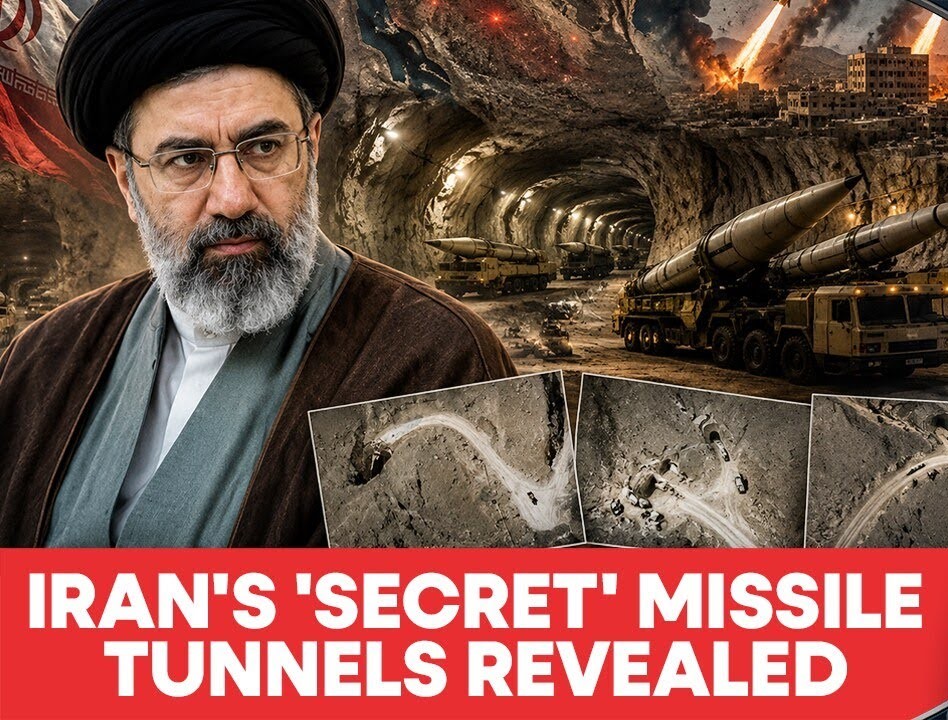
Iran has reportedly reopened a significant number of its underground missile facilities that were previously targeted during its ongoing conflict with Israel and the United States. An analysis conducted by CNN, based on satellite imagery, indicates that the Iranian government has managed to clear and reopen fifty of the sixty-nine entrances at various sites. The reopening of these tunnels suggests that Iran retains considerable missile capabilities despite extensive military strikes aimed at depleting its arsenal.

The analysis highlights that while the US and Iran have yet to finalise a peace agreement after months of conflict, officials from both nations continue to engage in discussions. US President Donald Trump has stated there is no urgency to reach a deal, implying that military operations may continue.

Iran’s Missile Capability Remains Strong

Despite attempts by US and Israeli forces to dismantle Iran’s missile launch infrastructure, many of the country’s missile stockpiles are believed to remain intact within deep underground facilities. During the conflict, strategic attacks were focused on access points and logistical routes in order to hinder the movement and launch of missiles. However, the underground nature of these arsenals makes them difficult to completely eradicate.

According to experts, approximately 1,000 missiles may still be housed within these fortifications. Research associate Sam Lair from the James Martin Center for Nonproliferation Studies indicated that as long as Iran has access to launch crews and equipment, they will continue to be able to launch missiles. The durability of these sites, constructed over the past two decades to withstand air strikes, has helped preserve Iran’s missile capabilities.

President Trump has considered the target destruction of Iran’s missile programme to be a primary objective. In March, he articulated the need to degrade Iran’s missile capabilities as an essential goal of the ongoing conflict.

Infrastructure Repair and Restoration Efforts

The series of satellite images reviewed by CNN illustrate significant restoration efforts following the ceasefire. Many missile bases are reportedly seeing construction teams engaged in clearing debris, filling craters, and repairing damaged roads. Some roads, which sustained heavy damage during air strikes, have already been restored and repaved, indicating a rapid response to the damage inflicted.

One site located near Isfahan demonstrated clear evidence of extensive bombing throughout the conflict. Recent images captured suggest that multiple construction vehicles, including dump trucks and earthmoving equipment, were involved in repairing the damage and re-establishing access points that had been blocked. Analysts note that the swift nature of these repairs showcases how effective standard construction methods can be against sophisticated military assaults.

Additionally, another facility located near Khomeyn showed signs of a concentrated repair effort, with at least ten construction vehicles seen working to reopen a blocked tunnel entrance. This level of activity points towards Iran’s intention to swiftly restore its military infrastructure to operational status.

Long or Short, get news the way you like. No ads. No redirections. Download Newspin and Stay Alert, The CSR Journal Mobile app, for fast, crisp, clean updates!

App Store –  https://apps.apple.com/in/app/newspin/id6746449540 

Google Play Store – https://play.google.com/store/apps/details?id=com.inventifweb.newspin&pcampaignid=web_share

Latest News

Popular Videos
