


IRGC Conducts Missile and Drone Strikes Against Kuwait and Bahrain
The CSR Journal Magazine

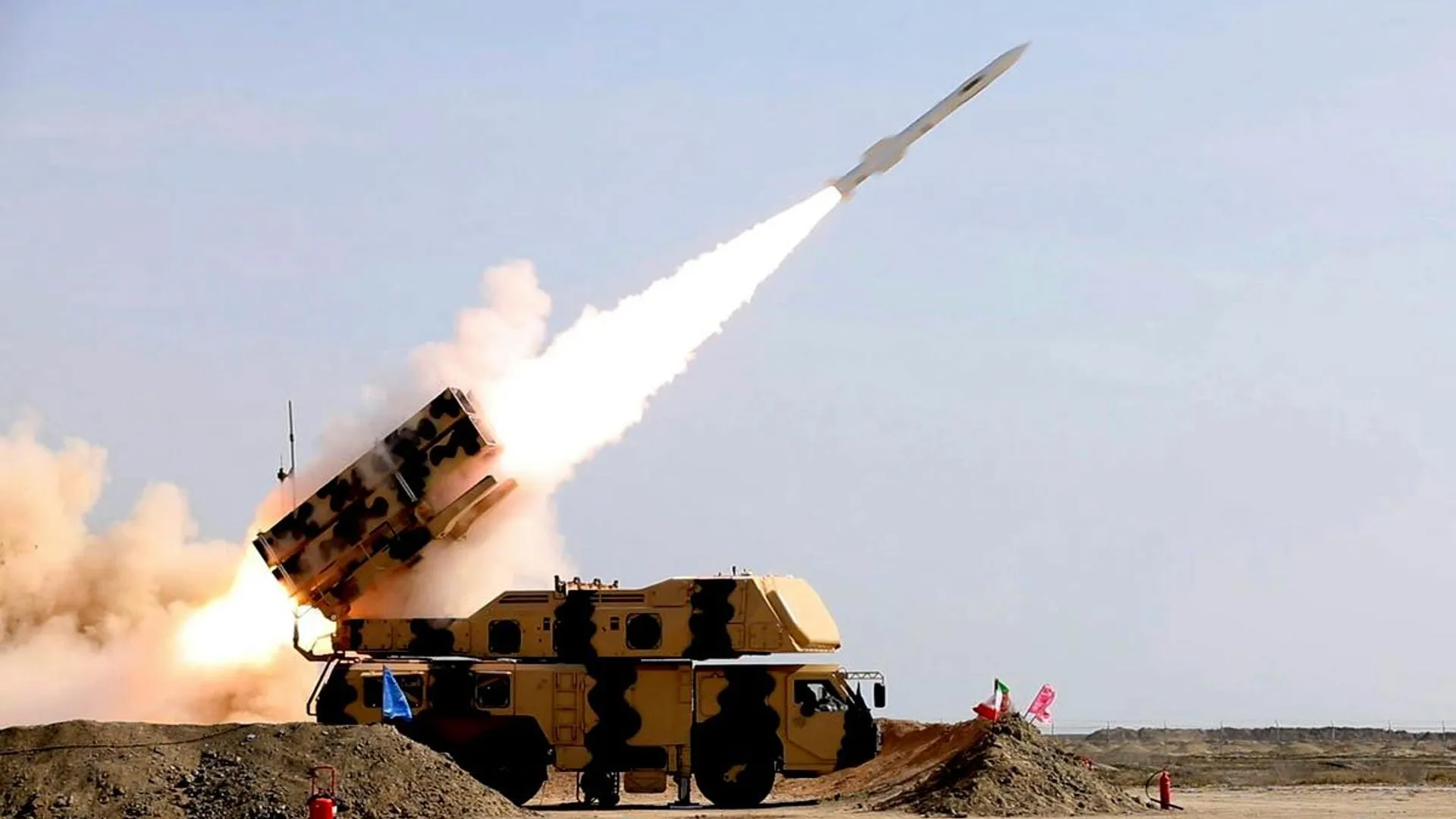
The Islamic Revolutionary Guard Corps (IRGC) has reportedly launched missile and drone attacks targeting Kuwait and Bahrain. These strikes occurred just hours after the United States carried out its own military operations in the region, heightening tensions in an already volatile area. The specifics regarding the type of missiles and drones used remain unclear.

Sources indicate that the attacks were part of a broader strategy by the IRGC, which aims to assert its influence in the Persian Gulf. Residents of Kuwait and Bahrain reported multiple explosions and significant aerial activity during the early hours of June 28, 2026. Emergency services in both nations have been mobilised to address the immediate consequences of these assaults.

While preliminary reports do not confirm casualties, the potential for escalation is evident as both nations assess the situation. Military officials in Kuwait and Bahrain are reportedly on high alert following the strikes, as security concerns rapidly increase. Further intelligence assessments are underway to gauge the extent of the damage inflicted.

Response from the United States

The recent strikes by the IRGC seem to be a direct response to US military actions conducted earlier on the same day. The US had targeted strategic sites in the region, prompting speculation regarding potential retaliation from Iranian-affiliated forces. Officials from the US government have yet to comment on the IRGC strikes, but the Pentagon is closely monitoring the situation.

American military analysts suggest that the IRGC’s actions are not only a demonstration of power but also part of a larger pattern of aggressive behaviour in the region. Analysts indicate that the IRGC is attempting to signal its capabilities and resolve in the face of perceived external threats. However, there remains uncertainty about how the US will respond, particularly if collateral damage is reported.

Global repercussions may arise as US allies in the region express concerns about their own security. Both Kuwait and Bahrain are key partners of the US military, which has established bases in both countries. The ongoing conflict poses challenges for US forces deployed nearby, who are tasked with maintaining stability amid rising hostilities.

International Reactions

International organisations and various governments have expressed alarm over the recent escalation in military activities. The United Nations has called for restraint from all parties involved to prevent further deterioration of the situation. Several nations have begun consultations to evaluate their positions and form a coordinated response to these developments.

Countries within the Gulf Cooperation Council (GCC) are convening emergency meetings to discuss collective security measures following the IRGC’s actions. Reports suggest that these discussions aim to bolster regional defence capabilities and address the potential threats posed by Iran’s military operations.

Observers have noted that such strikes could lead to a reevaluation of diplomatic efforts aimed at de-escalating tensions in the Gulf. As the situation continues to unfold, the need for dialogue remains critical in reducing the risk of further conflict, especially given the historical context of US-Iranian relations.

This incident marks a significant development in ongoing military tensions, with ramifications likely to be felt across the region. Continuing updates will emerge as more information becomes available regarding the impacts of the IRGC’s strikes and the broader geopolitical landscape.

Long or Short, get news the way you like. No ads. No redirections. Download Newspin and Stay Alert, The CSR Journal Mobile app, for fast, crisp, clean updates!

App Store –  https://apps.apple.com/in/app/newspin/id6746449540 

Google Play Store – https://play.google.com/store/apps/details?id=com.inventifweb.newspin&pcampaignid=web_share

Latest News

Popular Videos
