


Iran-US Nuclear Talks Hit Roadblock as Differences Over Oversight Persist Ahead of 60-Day Deadline

The CSR Journal Magazine

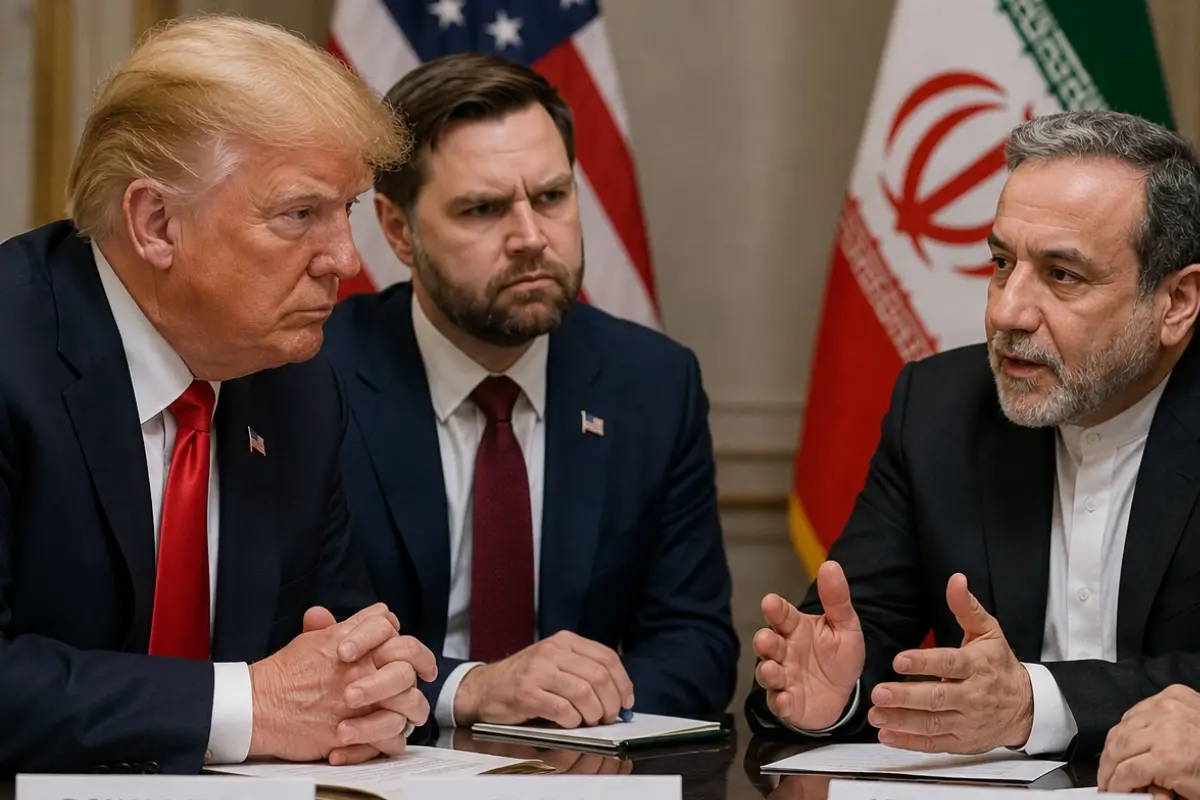
The ongoing negotiations between Iran and the United States have reached a crucial phase as both nations work towards finalising an agreement within a 60-day timeframe. However, conflicting accounts regarding key issues highlight the complexities involved in reaching a consensus. As both sides negotiate the details, significant disagreements persist concerning nuclear oversight and the conditions for implementing any prospective deal.

US Position on Strait of Hormuz

US Secretary of State Marco Rubio has firmly stated that under any final agreement, Iran will not be permitted to impose tolls on vessels transiting the Strait of Hormuz. He emphasised the necessity for this vital waterway, which plays a critical role in international shipping, to remain open and accessible to all nations. This assertion underscores the strategic significance of the Strait of Hormuz in global trade and security.

Rubio’s comments come amidst a backdrop of heightened tensions in the region, with both countries seeking to assert their positions on this critical maritime route. The US aims to ensure that the strait continues to facilitate the free flow of oil and goods, while Iran’s stance on toll charges reflects its perspective on sovereignty and control over its adjacent waters.

As negotiations unfold, it remains to be seen how the US strategy will influence the ongoing dialogues, particularly in addressing Iran’s concerns and reaching a mutually acceptable arrangement that addresses maritime security.

Iranian Response to Nuclear Oversight Claims

In a significant development, Iranian officials have rejected assertions made by the US regarding an agreement for nuclear inspections. Allegedly, US President Donald Trump claimed that Tehran had consented to accept the “highest level” of monitoring by international inspectors. However, Iranian representatives have disputed this narrative, asserting that no such agreement has been reached. This discrepancy raises questions about the robustness of the discussions around nuclear oversight and verification measures.

The Iranian stance reflects a broader concern regarding national sovereignty, as the country navigates the heavy scrutiny tied to its nuclear programme. As negotiations advance, the gaps in understanding and agreement between both sides may pose challenges in achieving a final consensus. The discrepancies also illustrate the cautious approach Iran is likely to take when engaging with international bodies and agreements.

Efforts to clarify the framework for inspection and monitoring will be critical in determining the feasibility of a final deal. Both sides face the challenge of reconciling differing interpretations of what constitutes adequate oversight in the context of Iran’s nuclear ambitions.

Implications for Regional Stability

The ongoing discussions between Iran and the US carry significant implications for regional stability and international relations. The outcome of these negotiations may not only impact bilateral ties but also influence broader geopolitical dynamics, particularly concerning allies in the Middle East. A successfully negotiated agreement could pave the way for a more stable environment, while continued discord may exacerbate tensions in an already volatile region.

As the 60-day deadline approaches, the urgency for both parties to reconcile their differences intensifies. The strategic importance of the issues on the table cannot be understated, as they encompass vital aspects of security, trade, and diplomacy. The response of other regional actors to the evolving situation will also play a crucial role in shaping the future of US-Iran relations.

In summary, the path towards a final agreement is fraught with challenges, requiring both sides to navigate their contrasting positions carefully. The capacity to address contentious points, particularly regarding nuclear oversight and maritime issues, will determine whether an accord can be achieved within the stipulated timeframe.

Long or Short, get news the way you like. No ads. No redirections. Download Newspin and Stay Alert, The CSR Journal Mobile app, for fast, crisp, clean updates!

App Store –  https://apps.apple.com/in/app/newspin/id6746449540 

Google Play Store – https://play.google.com/store/apps/details?id=com.inventifweb.newspin&pcampaignid=web_share

Latest News

Popular Videos