


Iran Sets Lifting Hormuz Blockade as Precondition for Negotiations
The CSR Journal Magazine

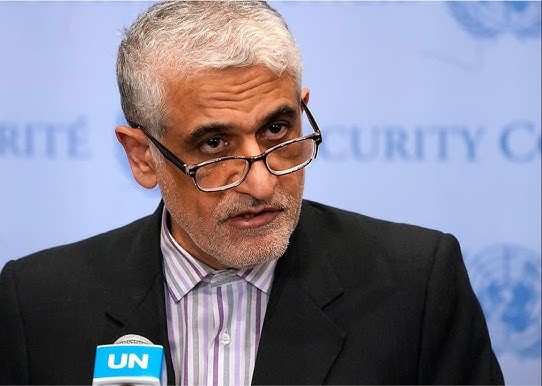
In a notable diplomatic stance, Iran has set a precondition for the resumption of negotiations by demanding an end to the United States’ naval blockade. This condition was highlighted by Amir Saeid Iravani, Iran’s UN Ambassador, during an interview with Rudlaw News Network, where he stated that Tehran would consider re-engaging in discussions only if the blockade is lifted.

The Iranian envoy expressed that the enforcement of the blockade constitutes a violation of ceasing hostilities, asserting, “The naval blockade of the United States, it is a violation of the ceasefire.” Iravani indicated that there have been some indications suggesting that the US may be prepared to remove the blockade, which he believes could pave the way for negotiations to resume in Istanbul.

Iravani’s remarks underline the prevailing mistrust between Iran and the US, highlighting the blockade as a significant barrier to establishing a formal diplomatic dialogue. He made it clear that if the US seeks a political solution through discussions, Iran is prepared to engage with them. Conversely, he asserted that if the US pursues military aggression, Iran is also ready to respond.

US Stance on Ceasefire and Diplomacy

The tension surrounding the Strait of Hormuz continued to escalate, further complicated by comments from US President Donald Trump. Following Iravani’s statements, Trump addressed the nation, announcing an extension of the existing ceasefire designed to facilitate further diplomatic efforts. This move was reportedly aimed at keeping communication channels open amidst the ongoing hostilities.

Trump claimed that Iran is privately advocating for the reopening of the Strait of Hormuz to mitigate its escalating economic losses, despite public declarations suggesting a rigid stance. The President indicated that Tehran’s seemingly hostile declarations regarding the waterway are more of a political tactic aimed at its domestic audience rather than a true reflection of its economic needs.

He noted, “Iran doesn’t want the Strait of Hormuz closed; they want it open so they can make $500 million a day,” implying that the blockade is significantly impacting Iran’s economy.

Recent Developments in the Strait of Hormuz

Amidst these tensions, incidents in the region have raised alarms. On a recent Wednesday, the United Kingdom Maritime Trade Operations (UKMTO) reported that a container vessel was significantly damaged after being fired upon by an Islamic Revolutionary Guard Corps (IRGC) gunboat in proximity to Oman. The attack reportedly did not involve preliminary communications from the IRGC, as the gunboat opened fire without issuing a VHF challenge.

The Master of the ship confirmed that while the assault inflicted considerable damage to the vessel’s bridge, there were no reports of fire or environmental consequences ensuing from the incident. Such developments illustrate the ongoing volatility in the Strait of Hormuz, a critical passage for global oil and liquefied natural gas transportation.

The strategic importance of the Strait of Hormuz cannot be overstated, as any disruptions in this vital channel pose a continual risk to international energy markets and maritime security. As negotiations remain stalled and tensions persist, the situation surrounding the blockade and regional hostilities is being closely monitored by various stakeholders.

Long or Short, get news the way you like. No ads. No redirections. Download Newspin and Stay Alert, The CSR Journal Mobile app, for fast, crisp, clean updates!

App Store –  https://apps.apple.com/in/app/newspin/id6746449540 

Google Play Store – https://play.google.com/store/apps/details?id=com.inventifweb.newspin&pcampaignid=web_share

Latest News

Popular Videos
