


Iran Reopens Airspace Amid Strait of Hormuz Tensions—What Happens Next Will Shock You
The CSR Journal Magazine

Iran has partially reopened its airspace on Saturday for international flights traversing the eastern sector of its territory, according to a statement from the country’s Civil Aviation Authority. The authority specified that air routes in the eastern region of Iran are now available for international flights passing through.

In a significant development, some airports resumed operations at 03:30 GMT (9 am). However, flight tracking websites reported that, more than three hours into the reopening, no international flights had taken the new routes, with many airlines opting for lengthy detours to avoid Iranian airspace.

Escalating Tensions Over the Strait of Hormuz

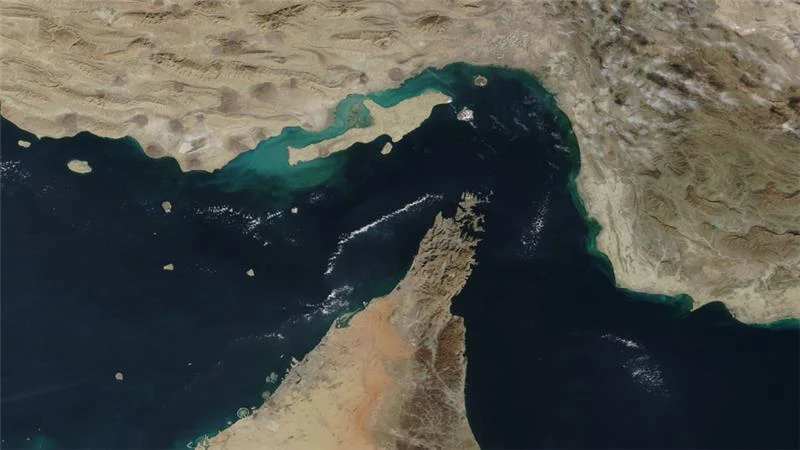
This partial reopening comes amid heightened tensions between Iran and the United States regarding the Strait of Hormuz, a crucial passageway that accounts for a fifth of the global oil trade. On Saturday, Iranian authorities announced they would reimpose strict military controls over this vital route, signalling a tough stance from Tehran.

Prior to this latest decision, Iran had briefly opened the Strait of Hormuz following a US-brokered 10-day ceasefire agreement between Israel and Lebanon. However, only one day later, Iranian officials expressed discontent, citing a violation of the ceasefire allegedly instigated by the US through what they called a blockade.

Iran’s joint military command declared on Saturday that control over the Strait of Hormuz had reverted to its previous status. This move indicated that the waterway would now operate under stringent supervision of the armed forces, with threats to continue blocking transits through the strait in light of ongoing US actions against Iranian ports.

Potential for Further Military Escalation

Amidst this situation, US President Donald Trump has issued a warning that the ceasefire with Iran could potentially be terminated. He indicated that unless a broader agreement to end hostilities is reached by Wednesday, there might be a return to military escalation in the Gulf region.

The backdrop to this heightened alert status is a complex geopolitical landscape where military and diplomatic chess moves affect not only the nations involved but the global oil trade and security. The situation has created a level of uncertainty regarding international flight operations and maritime safety in the strategically significant area.

As this story develops, the international community watches closely for any signs of de-escalation or further conflict. Iran’s fluctuating policies concerning the Strait of Hormuz contribute to an uneasy environment for global shipping and air traffic in the region, raising questions over the stability of agreements made in recent days.

Long or Short, get news the way you like. No ads. No redirections. Download Newspin and Stay Alert, The CSR Journal Mobile app, for fast, crisp, clean updates!

App Store –  https://apps.apple.com/in/app/newspin/id6746449540 

Google Play Store – https://play.google.com/store/apps/details?id=com.inventifweb.newspin&pcampaignid=web_share

Latest News

Popular Videos
