


India’s Monsoon Surprises With Excess Rainfall in July
The CSR Journal Magazine

The monsoon in India delivered an unexpected outcome in July, concluding with rainfall approximately 1 per cent above the normal levels. This contrast was notable as the India Meteorological Department (IMD) had initially predicted a deficit for the month. The situation marked a significant turnaround following a challenging start to the monsoon season, with June seeing a considerable shortfall of nearly 40 per cent in rainfall.

The change in rainfall patterns prompted questions regarding what factors led to this unexpected abundance. The IMD had twofold forecasts; one outlining a continued shortage while the other defined the variability of weather systems that could still provide rainfall in certain regions, making it difficult to predict outcomes in detail.

As the month unfolded, it became clear that regional weather systems played a critical role in altering the anticipated monsoon behaviour. The convergence of various climatic elements led to an increase in rainfall that defied earlier projections.

Impact of Weather Systems on Rainfall

The arrival of multiple low-pressure systems in July was instrumental in enhancing monsoon activity across India. The start of the month saw a well-defined low-pressure area develop over the northwest Bay of Bengal, which significantly contributed to rainfall in central and eastern parts of the country. Subsequent systems, including one over northwest Madhya Pradesh, generated heavy precipitation, primarily impacting northern and central India during the second week of July.

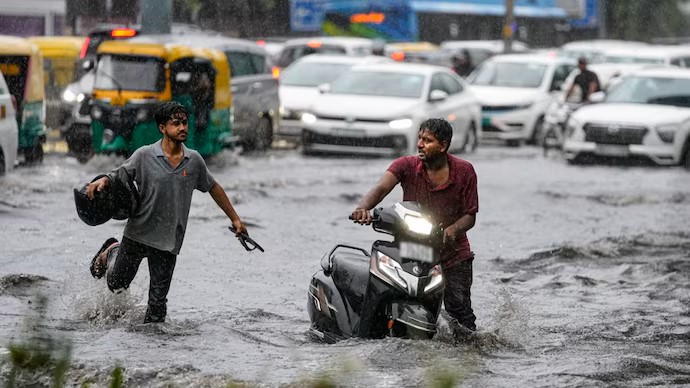
The peak rainfall activity occurred towards the latter half of the month when Gujarat experienced exceptionally heavy rainfall, with Valsad recording over 100 cm in just 24 hours. Such extreme weather patterns underscored the inherent unpredictability of the monsoon season.

Despite the heavy rainfall, the IMD had cautioned residents of Gujarat about the likelihood of further intense weather activity. The erratic nature of monsoon rains highlighted the complexity of forecasting seasonal weather in a country as vast and diverse as India.

Forecasting Challenges for the IMD

While the monthly forecast by the IMD indicated below-normal rainfall, it was not entirely erroneous. The forecast effectively captured the broader risks associated with emerging climate conditions but fell short of pinpointing the timely arrival of weather systems that would boost rainfall. Several areas indeed witnessed normal or above-average rainfall, while others experienced a stark lack of rain.

Moreover, the fluctuations in monsoon rainfall across different weeks and regions highlighted the limitations inherent in long-term weather forecasts. The IMD stressed the importance of continuously monitoring weather patterns, as conditions could alter rapidly throughout the monsoon season.

Looking ahead, the IMD’s forecast on July 31 indicated a potential continuation of below-normal rainfall for August, suggesting that the prevailing El Niño conditions could further complicate the rainfall scenario. The dynamics of the monsoon would likely continue to evolve, necessitating regular updates and adaptability in response to developing weather systems.

Long or Short, get news the way you like. No ads. No redirections. Download Newspin and Stay Alert, The CSR Journal Mobile app, for fast, crisp, clean updates!

App Store –  https://apps.apple.com/in/app/newspin/id6746449540 

Google Play Store – https://play.google.com/store/apps/details?id=com.inventifweb.newspin&pcampaignid=web_share

Latest News

Popular Videos
