


India Introduces Its First Barrierless Multi-Lane Free-Flow Tolling System
The CSR Journal Magazine

India has embarked on a significant advancement in its highway infrastructure with the inauguration of its first barrierless Multi-Lane Free Flow (MLFF) tolling system. This innovative approach was launched at the Choryasi toll plaza situated on NH-48 near Surat. The new system is designed to facilitate uninterrupted vehicle passage, eliminating the physical presence of toll booths and, in turn, minimising travel time and traffic congestion.

Operational Mechanics of Barrierless Tolling

The MLFF system operates by detecting vehicles automatically and deducting toll fees in real time, while vehicles maintain highway speeds. Unlike conventional toll plazas that require vehicles to slow down or form queues, this system utilises overhead gantries equipped with sophisticated sensors and cameras. These technological structures scan vehicles as they pass under them, which ensures smooth toll collection without delay.

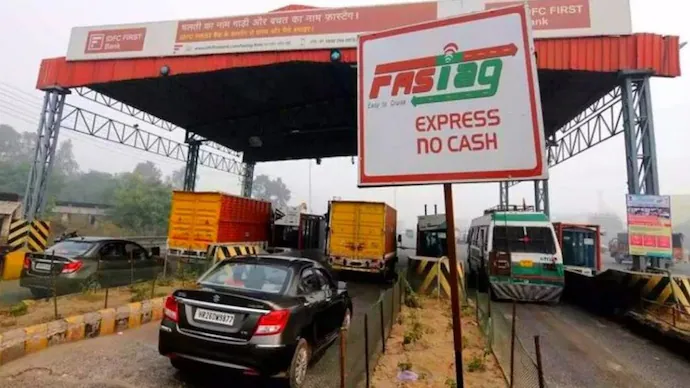
Central to the operation of this system is a combination of Radio Frequency Identification (RFID) technology and Automatic Number Plate Recognition (ANPR). Vehicles that are equipped with FASTag RFID stickers can be detected rapidly by the sensors installed on the gantries. As a result, the applicable toll fee is deducted automatically from the associated prepaid account. For vehicles lacking a FASTag, high-resolution cameras document the license plate information and a digital invoice is generated. This invoice can then be enforced later through the application of penalties.

The infrastructure supporting this system is crucial. Data captured by the sensors and cameras are relayed to a central processing unit that authenticates vehicle identity, determines toll charges based on vehicle type or distance travelled, and finalises the transaction in a matter of seconds. This seamless process is intended to minimise human interaction and potential errors, enhancing overall efficiency.

Benefits and Challenges of the MLFF System

Authorities are currently engaged in enhancing enforcement mechanisms for vehicles that do not comply with the system. The deployment of the barrierless tolling system at Choryasi represents a pilot initiative in India’s broader vision towards intelligent transport systems. Should this be deemed successful, it may initiate a shift away from conventional tolling practices across primary highways, fundamentally changing the travel experience for millions of road users across the country.

Feedback from early user experiences will likely play a vital role in determining future adaptations and enhancements to the system. The successful implementation of the MLFF could ultimately signal a transformative era in Indian road travel, ensuring efficiency, sustainability, and modernisation in line with global standards.

Long or Short, get news the way you like. No ads. No redirections. Download Newspin and Stay Alert, The CSR Journal Mobile app, for fast, crisp, clean updates!

App Store –  https://apps.apple.com/in/app/newspin/id6746449540 

Google Play Store – https://play.google.com/store/apps/details?id=com.inventifweb.newspin&pcampaignid=web_share

Latest News

Popular Videos
