


70% of India Faces Dry Spell Amid Unpredictable Monsoon Disruptions
The CSR Journal Magazine

The current state of India’s monsoon season has raised questions, as satellite images from July 11 indicate that nearly 70 to 80 per cent of the country is experiencing minimal to no cloud cover. This unusual weather pattern emerged just days after the southwest monsoon had successfully enveloped the entire nation. The abrupt shift to dry conditions follows a period of heavy rainfall that led to significant disruptions in major cities across India, prompting concerns about the factors contributing to this sudden change.

Commuters have encountered difficult conditions, with long traffic jams reported as waterlogged streets hinder movement. Officials are now analysing the potential causes behind this unexplained deviation from the expected monsoon behaviour.

Causes Behind the Monsoon Disruption

The southwest monsoon relies heavily on moisture-laden winds originating from the Indian Ocean, in conjunction with a low-pressure area known as the monsoon trough, which facilitates widespread rainfall across the region. However, current weather patterns indicate that a powerful tropical cyclone situated over the western Pacific is drawing moisture and altering atmospheric circulation away from the Indian subcontinent.

As a consequence, the monsoon trough has weakened, resulting in a notable decline in rainfall throughout much of India. The India Meteorological Department (IMD) has forecasted that subdued rainfall activity is likely to persist over large regions of central and peninsular India in the coming days. Widespread rain may not return until atmospheric conditions become favourable once more.

The evolution of weather systems in the Pacific Ocean is critical in understanding the situation. Satellite imagery has documented the ongoing changes in atmospheric dynamics that may impact the monsoon’s strength.

Inconsistent Rainfall Patterns

The monsoon season commenced on July 9, just one day later than anticipated, but its progress has not been without complications. The end of June saw India facing a significant rainfall deficit of nearly 40 per cent, marking one of the weakest starts to the season in recent years. This initial shortfall was somewhat mitigated by heavy rain in late June and early July, which reduced the nationwide deficit to around 14 per cent.

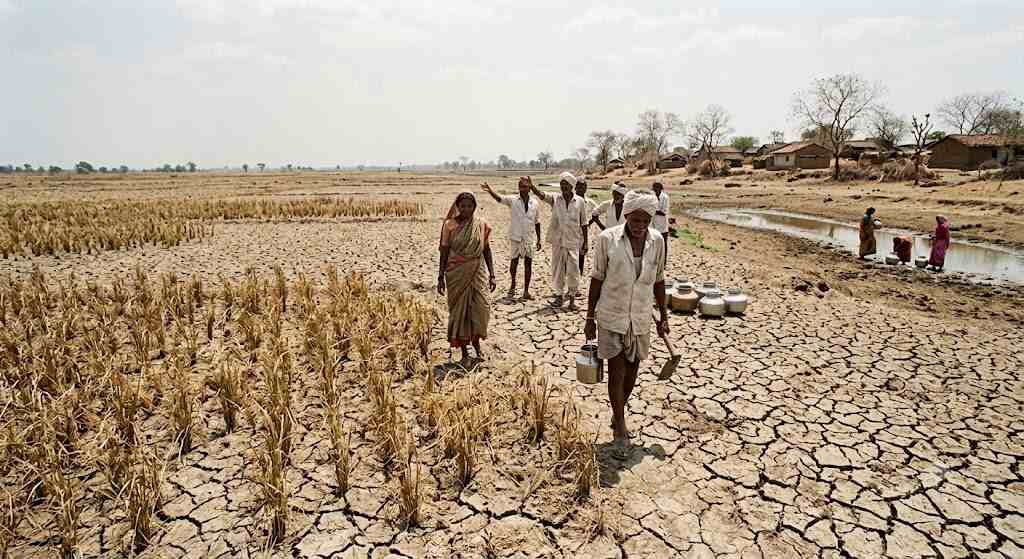
Despite this improvement, rainfall distribution remains highly uneven across the country. While parts of western and eastern India have benefitted from substantial rainfall, central states are still grappling with significant deficits. This disparity raises concerns about agricultural impacts and water shortages in affected areas.

Future Outlook for the Monsoon

The IMD predicts that the remaining days of July will see rainfall levels staying below the long-term average, with expectations of monthly totals not exceeding 94 per cent of typical values. Additionally, a developing El Niño in the equatorial Pacific is being closely monitored, as it is known to alter global weather patterns, often resulting in a weakened monsoon later in the season.

Furthermore, a number of regions across India are likely to observe higher than normal daytime temperatures until the formation of a more active monsoon phase. At present, while the monsoon has not entirely vanished, it is experiencing a temporary decline in strength. The ability of the monsoon to regain its intensity in the upcoming weeks will largely depend on the diminishing effects of Pacific weather systems and the subsequent restoration of monsoon circulation over the Indian subcontinent.

Long or Short, get news the way you like. No ads. No redirections. Download Newspin and Stay Alert, The CSR Journal Mobile app, for fast, crisp, clean updates!

App Store –  https://apps.apple.com/in/app/newspin/id6746449540 

Google Play Store – https://play.google.com/store/apps/details?id=com.inventifweb.newspin&pcampaignid=web_share

Latest News

Popular Videos
