
The recent release of Spider-Man: Brand New Day, which premiered on July 30, 2026, across India, has reignited discussions surrounding this iconic character. Each child who adores spiders often wonders about the feasibility of a spider’s silk supporting the weight of a human swinging between skyscrapers. This question has captured the imagination of audiences for decades, especially as the character has evolved in various adaptations.
In the original 1962 comics, Spider-Man’s powers were attributed to a radioactive spider bite. Over the years, adaptations like Sam Raimi’s 2002 film saw a shift to a genetically engineered spider, allowing Tobey Maguire’s Peter Parker to spin silk from his wrists. In contrast, the Marvel Cinematic Universe depicts Spider-Man using mechanical web-shooters designed with assistance from Iron Man, showcasing an ongoing evolution of the character’s backstory.
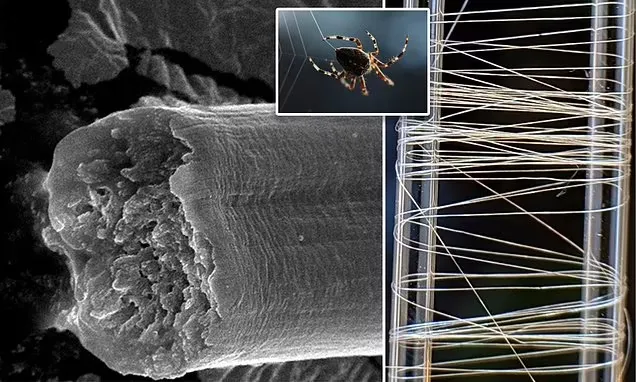
While the narrative continues to change, the biological realities of spider silk stand unaffected, possessing attributes that surpass the imagination of even the best screenwriters.