


India Among Countries Hit Hardest By Cooling Poverty As Heatwaves Intensify: Study
The CSR Journal Magazine

Nearly two billion people around the world lack adequate protection from extreme heat, with India emerging as one of the countries most vulnerable to what researchers describe as “cooling poverty”, according to a new study published in Nature Sustainability.

The research, based on data from more than one million households across 28 countries, found that hundreds of millions of people face severe forms of cooling deprivation, leaving them increasingly exposed to heat-related illnesses and economic hardship as climate change intensifies.

The findings come as India experiences more frequent and prolonged heatwaves, with temperatures crossing 45 degrees Celsius in several parts of the country during the summer months.

What Is Cooling Poverty?

Cooling poverty refers to the lack of resources and conditions needed to stay safe during periods of extreme heat. Researchers say the concept extends far beyond ownership of air conditioners.

It includes access to reliable electricity, clean water, healthcare services, quality housing, timely heat warnings and safe places where people can seek relief from high temperatures.

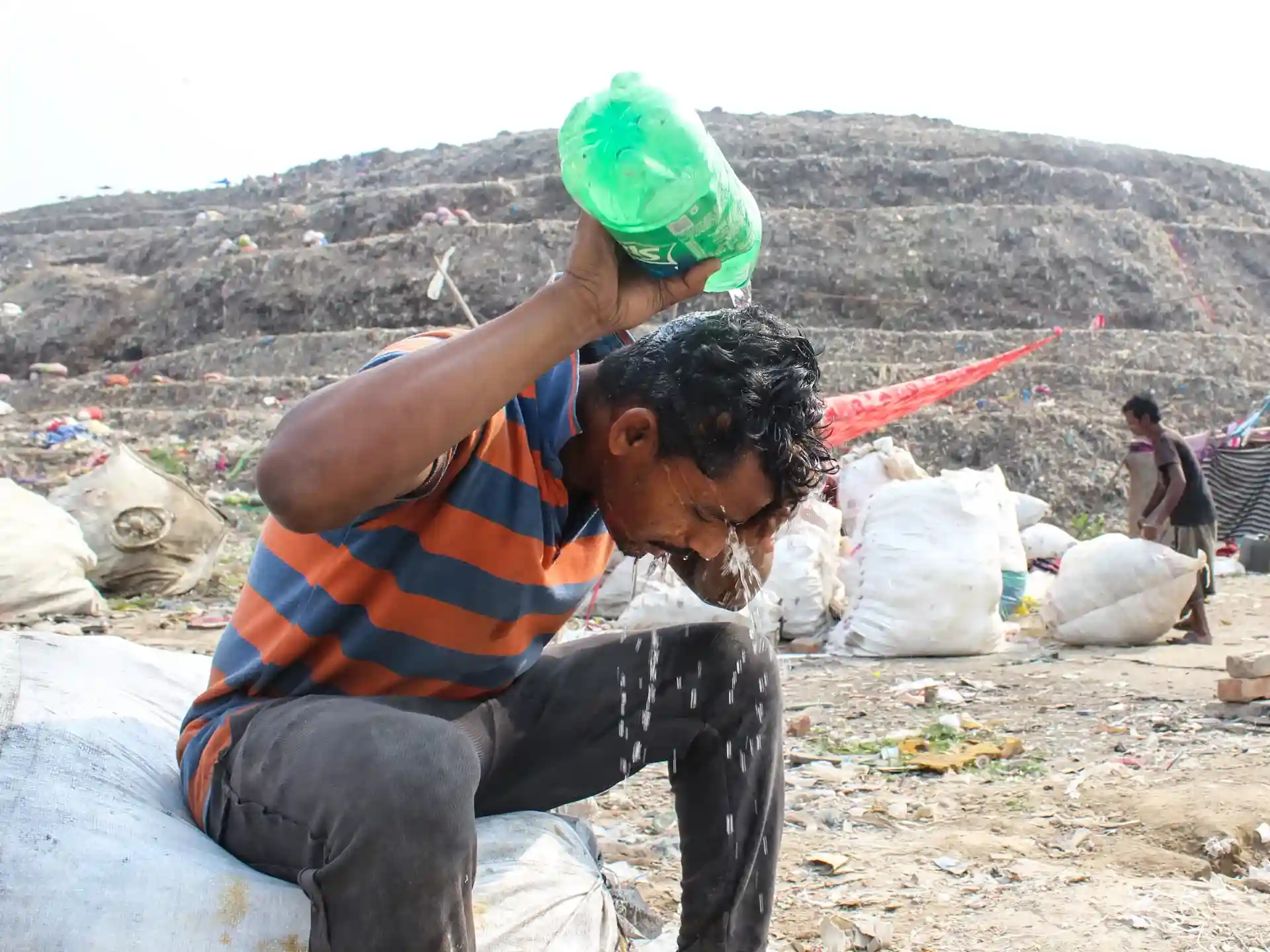
People living in cooling poverty face heightened risks because they lack the means to effectively protect themselves from dangerous heat while continuing to earn a livelihood.

The study found that nearly two billion people worldwide experience moderate cooling poverty, while hundreds of millions suffer from severe deprivation, making them particularly vulnerable as global temperatures rise.

India And South Asia Among Most Exposed

Researchers identified South Asia as one of the world’s most vulnerable regions due to a combination of extreme temperatures, high humidity, large numbers of outdoor workers and limited access to cooling infrastructure.

Lead author Giacomo Falchetta of the Euro-Mediterranean Center on Climate Change said countries including India, Bangladesh and Nepal face overlapping challenges that make populations especially susceptible to heat stress.

According to the study, education and working conditions represent one of the most widespread forms of cooling deprivation. India ranked highest in this category, with nearly 95 per cent of the population living in areas affected by such challenges.

Climate activist Harjeet Singh described South Asia as being “at the absolute frontlines of the climate crisis”, where economic inequality compounds the dangers posed by rising temperatures.

For millions of people employed in construction, agriculture and other outdoor occupations, access to air-conditioned environments remains beyond reach. Missing work to avoid heat exposure often means sacrificing income and risking deeper poverty.

Aziza Mohamed of Cairo University said the danger stems not only from climate change itself but from the interaction between extreme heat, poor housing conditions, inadequate healthcare and limited infrastructure.

Experts Call For Broader Solutions

Researchers argue that increasing access to air conditioners alone is neither sufficient nor sustainable to address the problem.

Instead, they recommend a combination of measures, including climate-sensitive building designs, reflective roofs, expanded urban green spaces, public cooling shelters, reliable water access and stronger protections for outdoor workers.

Chandni Singh of the Indian Institute for Human Settlements said initiatives such as India’s Cool Roofs programmes and improved building standards can help reduce exposure to dangerous temperatures.

However, she cautioned that adaptation has limits.

“You cannot adapt your way out of extreme heat endlessly. There are limits to extreme heat adaptation,” she said.

As heatwaves become increasingly common and intense, the study highlights the growing challenge facing countries such as India, where climate risks intersect with poverty and inequality. Researchers warn that addressing cooling poverty will require not only technological solutions but also investments in infrastructure, public health and social protection to ensure vulnerable populations can withstand a warming world.

Long or Short, get news the way you like. No ads. No redirections. Download Newspin and Stay Alert, The CSR Journal Mobile app, for fast, crisp, clean updates!

App Store –  https://apps.apple.com/in/app/newspin/id6746449540 

Google Play Store – https://play.google.com/store/apps/details?id=com.inventifweb.newspin&pcampaignid=web_share

Latest News

Popular Videos
