


Government Revises Export Duties on Diesel, ATF and Petrol From February 1
The CSR Journal Magazine

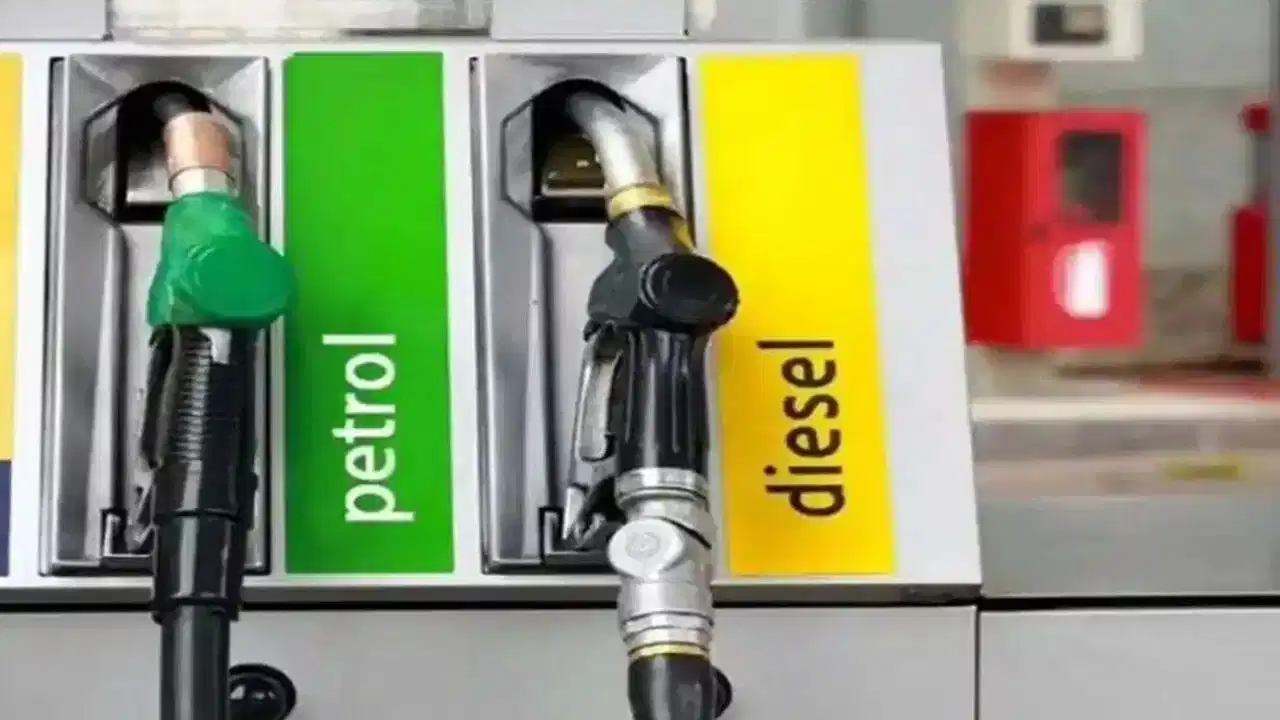
The Union Finance Ministry has made notable adjustments to the export duties on various petroleum products, specifically diesel and aviation turbine fuel (ATF), while increasing the duty on petrol. These changes took effect on July 1, 2026, and will be applicable for the current fortnight.

According to the revised rates, the export duty on diesel has been lowered from ₹14 per litre to ₹8.5 per litre, providing crucial support to exporters. Likewise, the duty on aviation turbine fuel has decreased from ₹12.5 per litre to ₹7.5 per litre, easing the financial burden on the aviation sector.

Conversely, the government has raised the export duty on petrol from ₹1.5 per litre to ₹4 per litre. This increase aims to regulate the export of petrol, thereby ensuring adequate domestic supply and stabilising local fuel prices.

Expansion of Exemption List for Export Duties

In addition to the adjustments in export duties, the government has expanded the list of countries exempt from these levies. The recent update has included Mauritius and the Maldives, which now join Nepal, Bhutan, Bangladesh, and Sri Lanka in the exemption framework.

This development is significant as it facilitates smoother trade relations with these nations via India’s state-owned oil marketing companies, which are responsible for overseeing the export process and ensuring compliance with the revised duties.

The inclusion of these countries in the exemption list reflects the Indian government’s strategy to enhance bilateral trade while also maintaining oversight on domestic fuel availability. It is hoped that this policy will support not only economic collaboration but also regional stability.

Context of Export Duty Revisions

The current export duty regime on petroleum products was introduced on March 27, 2026, in response to escalating geopolitical tensions in West Asia. The intent behind these measures was to secure sufficient domestic fuel availability by discouraging excessive export practices.

Since their implementation, the export duties have been subject to frequent reviews, with adjustments made every fortnight depending on fluctuations in global crude oil prices, domestic fuel supplies, and prevailing market conditions. This ongoing assessment allows the government to fine-tune its approach effectively.

With the latest decrease in duties on diesel and ATF, Indian fuel exports may become more competitive in the global market, particularly as energy markets begin to stabilise. Meanwhile, the increase in petrol duties serves to balance export potential with the imperative of protecting local fuel supplies, reflecting the government’s dual focus on trade and domestic needs.

Long or Short, get news the way you like. No ads. No redirections. Download Newspin and Stay Alert, The CSR Journal Mobile app, for fast, crisp, clean updates!

App Store –  https://apps.apple.com/in/app/newspin/id6746449540 

Google Play Store – https://play.google.com/store/apps/details?id=com.inventifweb.newspin&pcampaignid=web_share

Latest News

Popular Videos
