


Government Advances Legislative Agenda Despite Opposition Stalemate
The CSR Journal Magazine

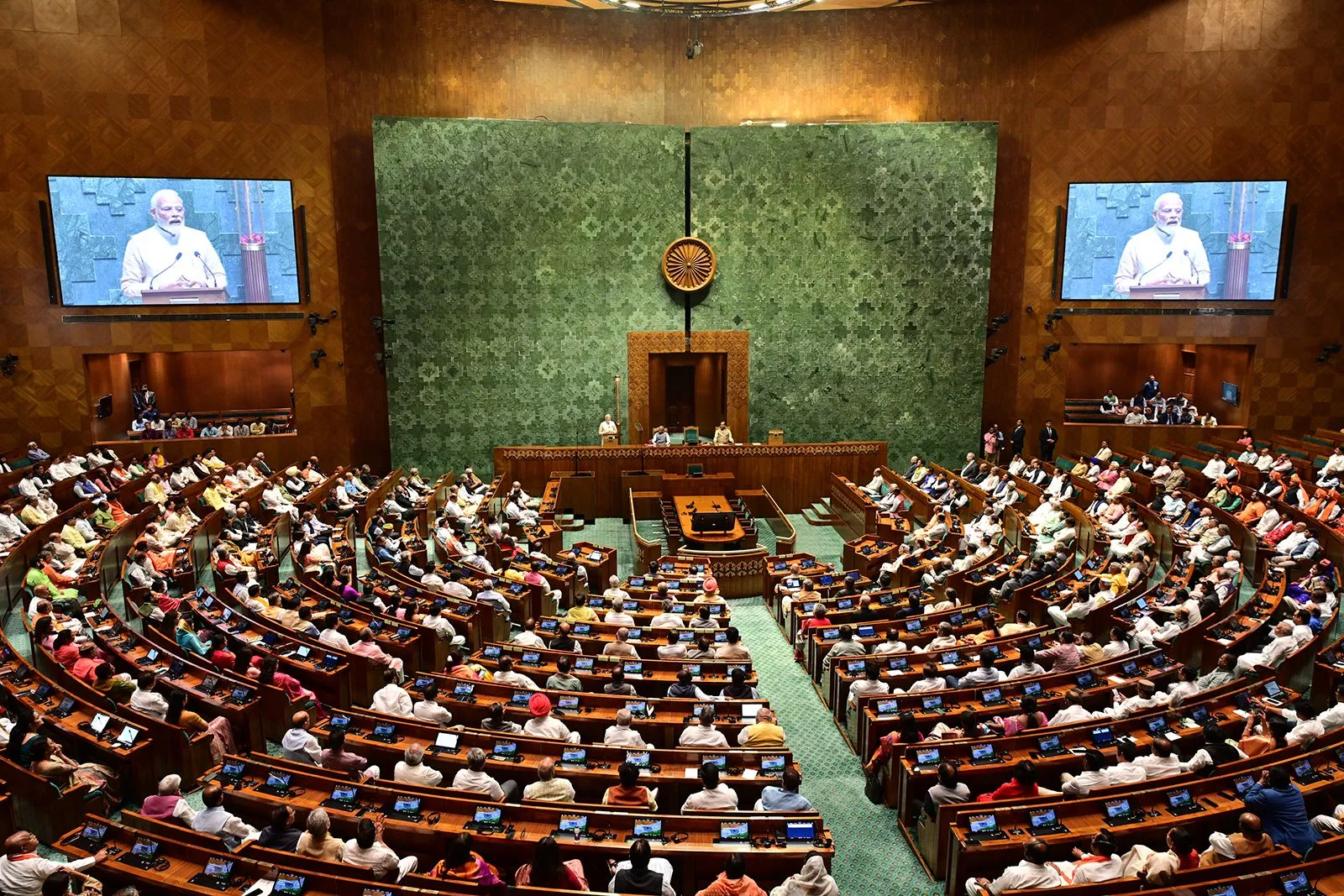
The government is actively promoting its legislative agenda while facing ongoing deadlock in Parliament, primarily due to opposition demands for a statement from Home Minister Amit Shah regarding police actions on July 20 against protestors in New Delhi. In the latest developments, the Rajya Sabha has passed the Tribunals Reforms Bill, 2026 after minimal debate. Meanwhile, the Lok Sabha has approved several bills without any substantial discussions amidst vocal protests from opposition members.

The Lok Sabha has successfully passed the National Co-operative Development Corporation (Amendment) Bill, 2026, which aims to modify the National Co-operative Development Corporation Act, 1962. Additionally, the Kerala (Alteration of Name) Bill, 2026 has also been endorsed, officially changing the state’s name to Keralam.

The government has indicated that the FCRA Amendment Bill is likely to be sent to a joint parliamentary committee for thorough investigation, especially given the concerns voiced by opposition parties and Christian groups regarding its implications. The FCRA Amendment Bill proposes changes to the Foreign Contribution (Regulation) Act, 2010, which outlines the rules for accepting and utilising foreign contributions by various entities in India.

Details of the FCRA Amendment Bill

A central aspect of the FCRA Amendment Bill is the introduction of a Designated Authority. This authority will oversee foreign contributions as well as the assets of any organisation whose FCRA registration has been cancelled, surrendered, or is no longer valid. If an organisation loses its registration, its foreign assets and contributions will be temporarily vested with this authority. Restoration of the organisation’s registration within the designated timeframe will allow for the return of assets and unused funds.

If the registration is not renewed within the stipulated period, the assets may become the permanent property of the Designated Authority. In cases where organisations become defunct or cease to operate, the bill outlines provisions for handling their contributions and assets, including ensuring the religious character of places of worship is preserved.

This legislative proposal also offers avenues for revision and judicial appeals against decisions made by the Designated Authority. It seeks to amend penalties, notably decreasing the maximum prison term for breaches of the Act from five years to one year. Furthermore, it stipulates that state agencies must seek prior approval from the Central Government before initiating investigations under the FCRA.

Responses to Proposed Legislation and Ongoing Protests

A delegation led by DMK leader P Wilson has submitted a memorandum to Amit Shah, highlighting how the proposed amendments could impact religious minorities and civil society. Meanwhile, Parliamentary Affairs Minister Kiren Rijiju expressed the government’s readiness to engage in debates about student protests, asserting that the Home Minister was prepared to respond, yet opposition parties disrupted proceedings.

Union Minister Sanjay Seth has criticised opposition members for not participating in discussions, particularly regarding incidents of police violence. He remarked on Rahul Gandhi’s lack of willingness to engage in parliamentary dialogue concerning these matters. In response, Congress leader Priyanka Gandhi Vadra has defended Rahul Gandhi, stating that he has already met with protesting students in Jharkhand.

Long or Short, get news the way you like. No ads. No redirections. Download Newspin and Stay Alert, The CSR Journal Mobile app, for fast, crisp, clean updates!

App Store –  https://apps.apple.com/in/app/newspin/id6746449540 

Google Play Store – https://play.google.com/store/apps/details?id=com.inventifweb.newspin&pcampaignid=web_share

Latest News

Popular Videos
