


Google Seeks Approval to Release 32 Million Mosquitoes in California and Florida to Fight Disease
The CSR Journal Magazine

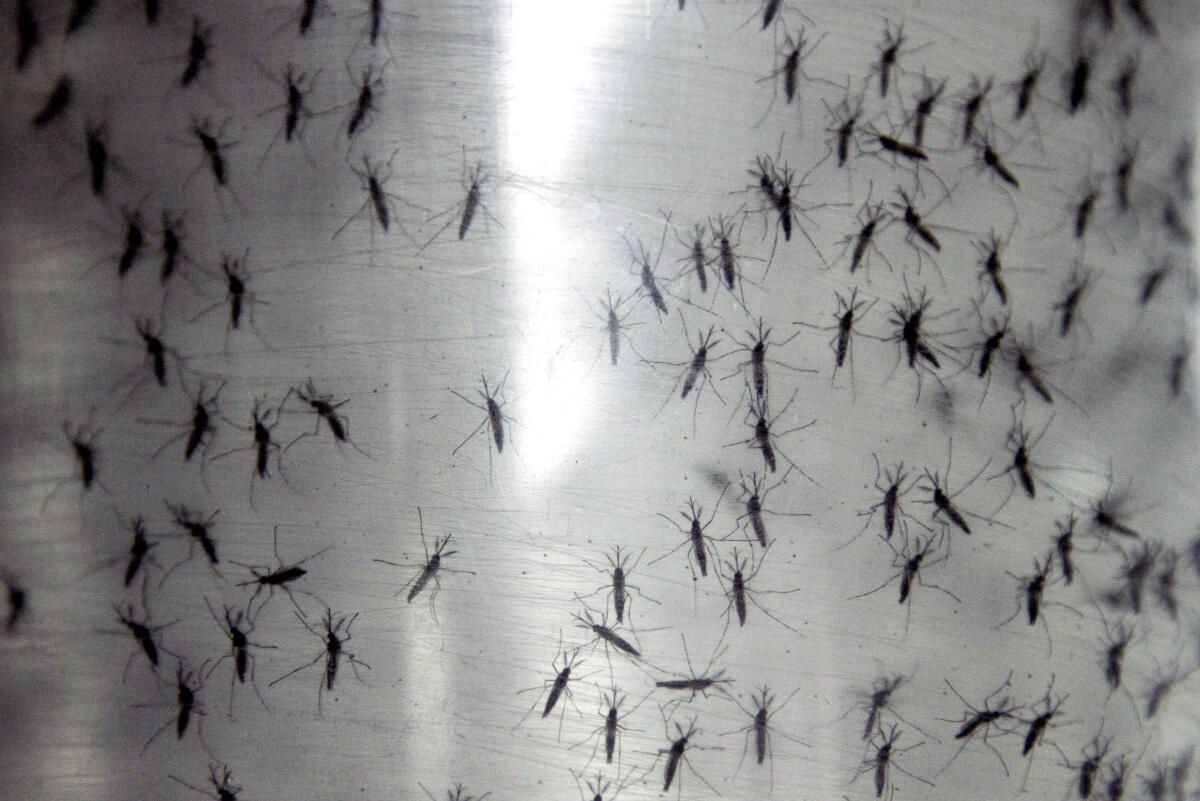
Google is initiating a groundbreaking approach to tackle mosquito-borne diseases by seeking permission to release millions of genetically modified mosquitoes in the United States. According to a report by Yahoo, the company has approached federal regulators to obtain approval for the release of up to 32 million mosquitoes in specific locations across California and Florida.

The purpose of this initiative is not to increase the mosquito population but to decrease the number of insects that pose a health threat by spreading diseases. The project is designed to unfold over a scheduled timeframe of two years, allowing researchers to effectively monitor and assess the outcomes of the programme.

Selected locations for the release are expected to include areas with significant levels of disease transmission, thereby targeting regions where intervention is most needed. The primary goal is to reduce the risk associated with mosquito-borne illnesses by altering the breeding patterns of these insects.

Details of the Mosquito Modification

The mosquitoes set for release have reportedly undergone genetic modification to prevent them from transmitting diseases. This innovative strategy aims to disrupt their reproduction cycle and ultimately reduce the overall mosquito population capable of carrying harmful pathogens.

By limiting the number of mosquitoes that can facilitate the spread of diseases, the initiative seeks to enhance public health safety. The rationale for this unconventional approach rests on the understanding that controlling the mosquito population in such a manner could significantly mitigate the risk of outbreaks in human populations.

Before any action can be taken, Google must navigate the regulatory landscape to secure the necessary approvals from federal authorities. This process will involve a comprehensive review of safety data, environmental impact assessments, and monitoring plans to ensure the initiative is justified from a public health perspective.

Scientific Context and Ongoing Research

This development arrives at a time when the scientific community is deeply engaged in exploring the complexities of mosquito behaviour and effective disease control strategies. Research conducted and published in the Journal of Experimental Biology highlighted that mosquitoes might learn to associate the scent of certain insect repellents with food sources, changing their response to these chemicals.

Lead researcher Claudio Lazzari elaborated that the findings indicate it is not merely the toxicity of the chemical in the repellent that deters mosquitoes; instead, it is how these insects interpret the chemical information that influences their behaviour. Such insights underscore the need for innovative approaches to mosquito control.

As Google’s proposal currently awaits federal review, the outcome remains uncertain. Regulators will evaluate whether the potential health benefits of using genetically modified mosquitoes to combat disease warrant approval for this novel intervention. The decision will mark a significant milestone in the ongoing battle against mosquito-borne diseases.

Long or Short, get news the way you like. No ads. No redirections. Download Newspin and Stay Alert, The CSR Journal Mobile app, for fast, crisp, clean updates!

App Store –  https://apps.apple.com/in/app/newspin/id6746449540 

Google Play Store – https://play.google.com/store/apps/details?id=com.inventifweb.newspin&pcampaignid=web_share

Latest News

Popular Videos
