


Giant Ramesses II Statue Fragment Discovered in Nile Delta
The CSR Journal Magazine

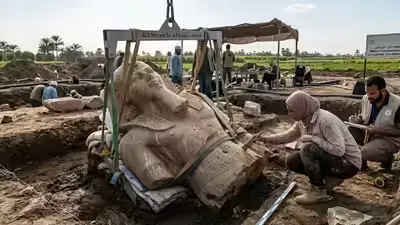
A fragment of a colossal statue of Ramesses II has been unearthed in the Nile Delta, shedding new light on ancient Egyptian history. The discovery is attributed to an archaeological team led by renowned Egyptologist Dr. Ahmed Abdel-Salam. The team made the find during excavations in the city of Tanis, which was once the capital of Egypt during the 21st dynasty. This significant fragment is believed to represent an arm of the statue, originally sized at over seven metres in height.

Dr. Abdel-Salam stated that the statue fragment was found buried in layers of sediment, which helped preserve its intricate details. The project aims to piece together the history surrounding the statue, reflecting the artistic advancements and religious significance during the reign of Ramesses II. Further investigations are planned to understand the context of the statue’s original location and its potential role in ancient ceremonial practices.

Historical Context of Ramesses II

Ramesses II, also known as Ramesses the Great, ruled Egypt from 1279 to 1213 BC and is often regarded as one of the most powerful pharaohs of ancient Egypt. His reign is notable for extensive construction projects, including temples and monuments, many of which celebrate his achievements in warfare and diplomacy. The dimensions and craftsmanship of the statue fragment provide insight into the artistic and cultural flourishes during this period.

Numerous monuments were created in honour of Ramesses II, showcasing the idealisation of the pharaoh as a god-like figure. Speculations suggest that the statue might have been part of a larger display intended to glorify his triumphs and reinforce his status among the deities. The fragment also highlights the advanced techniques in sculpture that were employed in the ancient Egyptian period.

Additionally, records from ancient Egyptian texts document various battles and treaties associated with Ramesses II, making him a pivotal figure in the historical narrative of Egypt. Archaeological findings, such as the recent statue fragment, provide tangible evidence to support these accounts while offering a newfound perspective on the socio-political landscape of the time.

Significance of the Discovery

The significance of locating the Ramesses II statue fragment extends beyond mere archaeology; it enriches the understanding of Egyptology and ancient civilisations. The findings serve as a crucial link to studying the socio-political structure, religious beliefs, and artistic methodologies of the time. Experts believe that such discoveries can aid in reconstructing the broader picture of life in ancient Egypt.

Future plans for the site include the continuation of excavation efforts, with hopes of uncovering additional artefacts that could further illuminate the historical context. This discovery reinforces the importance of archaeological work in unraveling the complexities of ancient societies, offering scholars and enthusiasts alike the chance to engage with history in a more profound way.

In summary, the fragment of the statue of Ramesses II not only provides new insights into one of Egypt’s most revered pharaohs but also represents the ongoing commitment of researchers to unveil the mysteries of ancient Egypt. The findings from Tanis will likely spark further research and exploration, contributing significantly to the existing body of knowledge on this fascinating period in history.

Long or Short, get news the way you like. No ads. No redirections. Download Newspin and Stay Alert, The CSR Journal Mobile app, for fast, crisp, clean updates!

App Store –  https://apps.apple.com/in/app/newspin/id6746449540 

Google Play Store – https://play.google.com/store/apps/details?id=com.inventifweb.newspin&pcampaignid=web_share

Latest News

Popular Videos
