


Forest City Develops Strategy to Combat Pollution
The CSR Journal Magazine

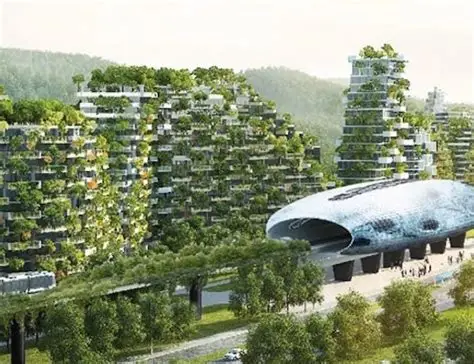
The Forest City initiative in China aims to create a unique urban environment featuring a significant number of trees integrated into various buildings. This ambitious project is designed to address pollution and enhance the quality of life for its residents. The plan encompasses the planting of approximately 40,000 trees throughout the city landscape, demonstrating a commitment to environmental sustainability.

Developed by architect Stefano Boeri, the project intends to establish a model for urban living that prioritises greenery and ecological balance. The city will reportedly include residential areas, commercial spaces, and parks, all intricately designed to coexist with the natural environment. Such initiatives are gaining traction worldwide as cities strive to fight pollution and climate change.

Environmental Benefits of Urban Greenery

The incorporation of trees and green spaces within urban settings is believed to offer multiple environmental advantages. Trees play a crucial role in absorbing carbon dioxide and other pollutants, which can significantly improve air quality. In the case of Forest City, the extensive greenery is expected to reduce the urban heat island effect, a common problem in densely populated areas.

Studies indicate that the presence of plants can lower temperatures in cities, providing a more comfortable living space for residents. Additionally, the trees in Forest City are envisaged to support local wildlife, fostering biodiversity within an urban context. This benefit is especially important as many animal species struggle to adapt to city environments.

Moreover, the initiative aims to promote a healthier lifestyle for inhabitants. With plenty of green spaces, residents are more likely to engage in outdoor activities, contributing to physical and mental well-being. The design encourages walking and cycling, further reducing reliance on vehicles and lowering emissions.

Challenges and Future Considerations

Despite its environmental benefits, the Forest City project may encounter challenges in implementation. The maintenance of the extensive greenery will require ongoing commitment and resources, which could present obstacles for local authorities. Proper care and attention will be necessary to ensure that the trees thrive and provide the expected ecological benefits.

Additionally, the integration of nature within an urban framework raises questions about balancing development and environmental preservation. Stakeholders must ensure that infrastructure developments do not compromise the health of the ecosystem that the city aims to create. Community involvement will also be vital, as the success of such initiatives often hinges on public support and participation.

The project is part of a broader trend wherein cities worldwide are rethinking their relationship with nature. As pollution continues to be a pressing issue in many urban areas, innovative approaches like Forest City serve as potential blueprints for future sustainable urban developments. Observing the outcomes of this project could provide valuable insights for similar ventures across the globe.

Long or Short, get news the way you like. No ads. No redirections. Download Newspin and Stay Alert, The CSR Journal Mobile app, for fast, crisp, clean updates!

App Store –  https://apps.apple.com/in/app/newspin/id6746449540 

Google Play Store – https://play.google.com/store/apps/details?id=com.inventifweb.newspin&pcampaignid=web_share

Latest News

Popular Videos
