


El Nino’s Return Threatens Panama Canal Operations, Raising Fears of Global Shipping Delays
The CSR Journal Magazine

The latest observations indicate that the return of El Nino in the Pacific Ocean may disrupt operations at the Panama Canal, a critical transit route for international trade. The US National Oceanic and Atmospheric Administration (NOAA) has formally announced the onset of El Nino conditions and forewarned that it could escalate into one of the most intense instances recorded by the end of 2026. Current predictions suggest an 88 per cent likelihood that this El Nino will reach “strong” status between November and January, with an additional 63 per cent chance of it becoming “very strong.”

Historic events of El Nino, notably those from 1997-98 and 2015-16, had significant ramifications on both climate patterns and trade networks worldwide. The looming threat of this climatic event raises concerns primarily regarding the Panama Canal, which is pivotal for maritime logistics.

Panama Canal Experiences Urgent Restrictions

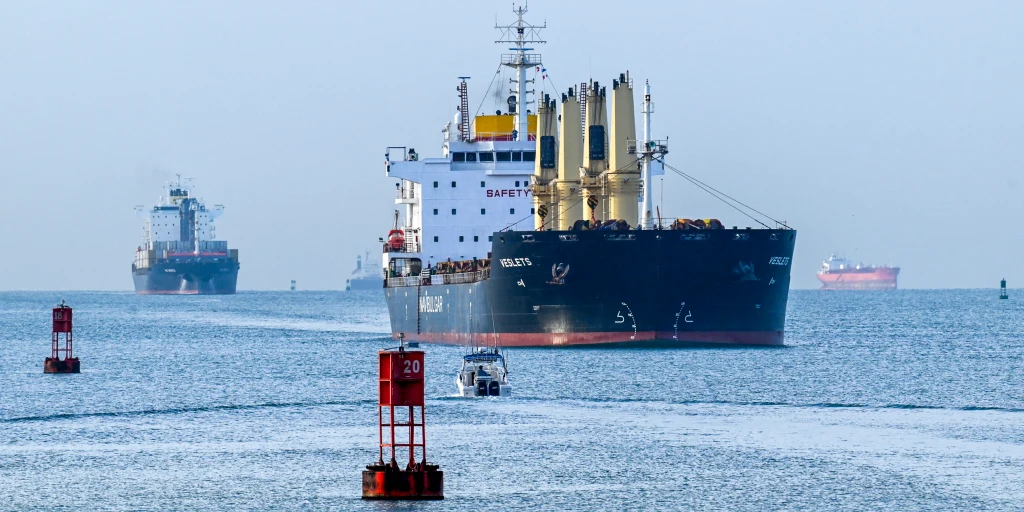
The ongoing El Nino phenomenon has already inflicted severe drought on the Panama Canal, contributing to one of the most serious water shortages in its history. Water levels in Gatun Lake, which is essential for the canal’s lock system, decreased sharply. As a result, the Panama Canal Authority implemented reductions in daily vessel transits and introduced draft restrictions, leading to a traffic decline of up to 40 per cent below standard levels during the drought.

This disruption has caused widespread delays in global supply chains, with numerous vessels facing lengthy queues or opting for alternative routes, resulting in longer travel and increased shipping costs. Though operations have gradually returned to more normal conditions following the improvement in drought levels, officials are bracing for yet another difficult season ahead.

In light of the anticipated challenges, the Panama Canal Authority declared a reduced maximum draft of 49.5 feet for Neopanamax vessels, beginning on July 3, due to concerns related to the developing El Nino. This announcement coincides with a rising demand for transit through the canal, as analysts from Clarksons Research report a surge in US energy exports, further straining the capacity of available slots.

Wider Implications of El Nino on Maritime and Trade Systems

The influence of El Nino extends beyond just the Panama Canal. This climate phenomenon can modify atmospheric circulation patterns throughout the Pacific region, frequently causing diminished rainfall in various parts of Central America and Southeast Asia. Such changes can adversely impact inland waterways reliant on seasonal rains and monsoon-fed resources, thereby affecting logistics frameworks dependent on canal transport.

Additionally, countries like India might experience indirect repercussions due to El Nino’s effects on monsoon rains, agricultural productivity, and the flow of commodities. Variations in rainfall patterns throughout India, Australia, and Southeast Asia could lead to shifts in grain and soybean supply chains, ultimately reshaping global demand for dry bulk carriers.

While the potential for enhanced hurricane activity in the Atlantic may lessen due to El Nino, providing some relief for shipping routes in the Gulf of Mexico and Caribbean, the overarching concern for global shipping remains centred on freshwater-dependent routes. Although tensions surrounding the Strait of Hormuz may be moderating, the climate-induced risks associated with El Nino persist as a pressing challenge.

Long or Short, get news the way you like. No ads. No redirections. Download Newspin and Stay Alert, The CSR Journal Mobile app, for fast, crisp, clean updates!

App Store –  https://apps.apple.com/in/app/newspin/id6746449540 

Google Play Store – https://play.google.com/store/apps/details?id=com.inventifweb.newspin&pcampaignid=web_share

Latest News

Popular Videos
