


Effective Strategies To Eliminate Houseflies
The CSR Journal Magazine

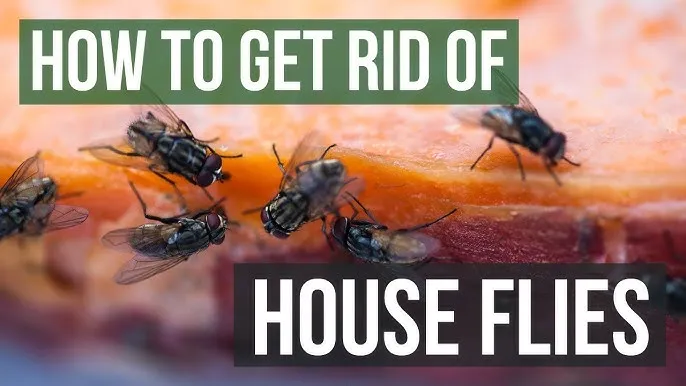
The presence of houseflies in homes can lead to health concerns as they are known to carry bacteria, posing risks of food contamination. Their population tends to surge during the summer and monsoon seasons when temperatures rise and moisture levels increase, creating ideal conditions for reproduction.

Houseflies are particularly attracted to environments that provide food, moisture, and potential breeding sites. Typical attractants in homes include uncovered food, open garbage bins, dirty dishes left unwashed, pet food, and overripe fruits and vegetables. Additionally, damp areas and standing water are magnet points for these pests.

Maintaining Cleanliness in Your Home

To effectively manage housefly populations, one of the most crucial steps is to uphold high standards of hygiene. Regularly wiping down kitchen counters can help eliminate food residues that attract flies. Dishes should be washed promptly after use, and food should always be stored in airtight containers to prevent access.

Another important aspect of cleanliness involves garbage management. It is advisable to empty rubbish bins daily and ensure that the lids fit tightly. Any spills or food crumbs should be cleaned up immediately to deter flies from congregating in your space.

In addition to these practices, monitoring for and eliminating potential breeding sites is essential. Houseflies can lay eggs in decaying organic matter; hence, regular disposal of food waste and frequent cleaning of compost bins can significantly reduce their presence.

Utilising Natural Deterrents

There are several natural methods to repel houseflies effectively. For instance, placing basil or mint plants near windows is known to deter these pests, as they are averse to these scents. Another method involves inserting cloves into a lemon, which can also help keep flies at bay.

Essential oils such as eucalyptus, peppermint, citronella, and lavender can be diffused throughout the home to create an environment that is unwelcoming to flies. Additionally, installing screens on doors and windows provides a physical barrier, preventing flies from gaining entry into living spaces.

For those looking to create simple traps, a mixture of apple cider vinegar and a few drops of dish soap can be effective. The acetic acid in the vinegar attracts flies, while the soap reduces the surface tension of the liquid, trapping them effectively.

When To Consider Insecticides

If preventive measures fall short and a significant infestation occurs, insecticides may be necessary. However, caution is advised when using these products, particularly around children, pets, and areas where food is prepared. It is critical to follow the manufacturer’s instructions and guidelines to ensure safety during application.

In addition to treating severe infestations, implementing consistent preventive measures can help keep houseflies at bay over the long term. Ensuring that food is kept covered, debris is regularly cleared, and maintaining cleanliness in drains and sinks can be effective strategies. Storing fruits in the refrigerator during peak fly season also contributes to reducing attractants.

In summary, houseflies thrive in environments where food, moisture, and waste are prevalent. By adhering to proper cleanliness protocols, removing potential breeding grounds, using natural repellents, and sealing entry points, homeowners can substantially minimise their presence. Regular maintenance and preventive strategies remain the best solutions for achieving a fly-free environment.

Long or Short, get news the way you like. No ads. No redirections. Download Newspin and Stay Alert, The CSR Journal Mobile app, for fast, crisp, clean updates!

App Store –  https://apps.apple.com/in/app/newspin/id6746449540 

Google Play Store – https://play.google.com/store/apps/details?id=com.inventifweb.newspin&pcampaignid=web_share

Latest News

Popular Videos
