


E20 Petrol’s Impact on Older Vehicles Addressed by Government
The CSR Journal Magazine

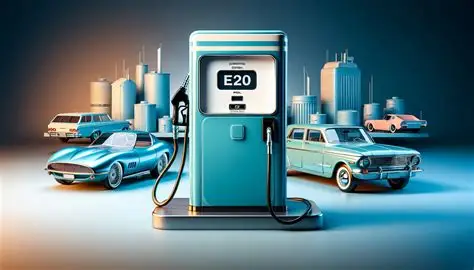
More than a year following the nationwide implementation of E20 petrol, new worries regarding its effects on older vehicles have been highlighted. A recent survey conducted by LocalCircles indicated that 66 per cent of petrol vehicle owners, whose cars were manufactured prior to 2023, reported a decline in fuel efficiency exceeding 10 per cent since early 2025. This contrasts sharply with a previous survey from May 2026, where only 45 per cent of respondents expressed similar concerns.

The rollout of 20 per cent ethanol-blended petrol, or E20, was officially achieved by the Indian government in April 2025, ahead of the initial target set for 2030. The initiative seeks to diminish dependency on crude oil imports, enhance energy security, reduce emissions, and increase farmers’ earnings through greater ethanol production. The survey results, coupled with discussions on social media platforms, have reignited questions regarding E20 petrol’s compatibility with older vehicles.

In early July, the Ministry of Petroleum and Natural Gas responded to various claims circulating online about the supposed detrimental effects of ethanol-blended fuel on engine performance, describing them as misleading and lacking scientific support. This prompted the government to provide a comprehensive clarification on E20 petrol, addressing common concerns among consumers.

Government’s Clarifications on Ethanol Blending

Amidst the growing debate, the government has stated that claims suggesting a rushed implementation of the ethanol blending policy are unfounded. They clarified that the programme has been in development for over 20 years, commencing with pilot projects in 2001. The formal announcement of the programme occurred in 2004, followed by the introduction of E5 fuel in several states by 2006 and the establishment of a policy framework in 2013.

Significant advancements took place after the introduction of the National Policy on Biofuels in 2018, which expanded the feedstocks available for ethanol and stimulated investments in the sector. The government asserts that the transition to E20 was facilitated by extensive consultations with automobile manufacturers, oil companies, and technical experts.

In response to queries regarding consumer choice between pure petrol, E10, and E20, the government asserted that creating separate fuel supply chains would pose logistical challenges. Maintaining parallel distribution systems across over 1 lakh fuel stations would be impractical, particularly given the substantial investment of nearly Rs 1 lakh crore in ethanol production infrastructure.

Claims Regarding Engine Damage and Fuel Efficiency

Concerning the assertions about E20 potentially damaging engines or older vehicles, the government claimed there is no widespread evidence to support such claims. E20 was reportedly introduced only after extensive testing conducted in collaboration with automobile manufacturers, the Automotive Research Association of India (ARAI), the Society of Indian Automobile Manufacturers (SIAM), and oil companies. The government stated that manufacturers would not have greenlit E20-compatible vehicles or continued their warranty support if any significant safety issues had been evident.

Moreover, the government mentioned that industry data indicates millions of older vehicles have been serviced without any reports of corrosion or unusual engine damage attributable to the use of E20 petrol. However, it acknowledged that some vehicles might experience a slight reduction in fuel efficiency, estimated at between 3 to 5 per cent.

Finally, the government maintains that E20 petrol is a safe and scientifically validated fuel, with quality monitored under the Bureau of Indian Standards (BIS) regulations. They advise consumers to be cautious about unverified claims on social media, asserting that the ethanol blending initiative is designed to reduce dependency on imported crude oil while also improving air quality and supporting farmers through enhanced ethanol production.

Long or Short, get news the way you like. No ads. No redirections. Download Newspin and Stay Alert, The CSR Journal Mobile app, for fast, crisp, clean updates!

App Store –  https://apps.apple.com/in/app/newspin/id6746449540 

Google Play Store – https://play.google.com/store/apps/details?id=com.inventifweb.newspin&pcampaignid=web_share

Latest News

Popular Videos
