


Delhi Reports Highest Carbon Monoxide Levels in January-May Since 2022
The CSR Journal Magazine

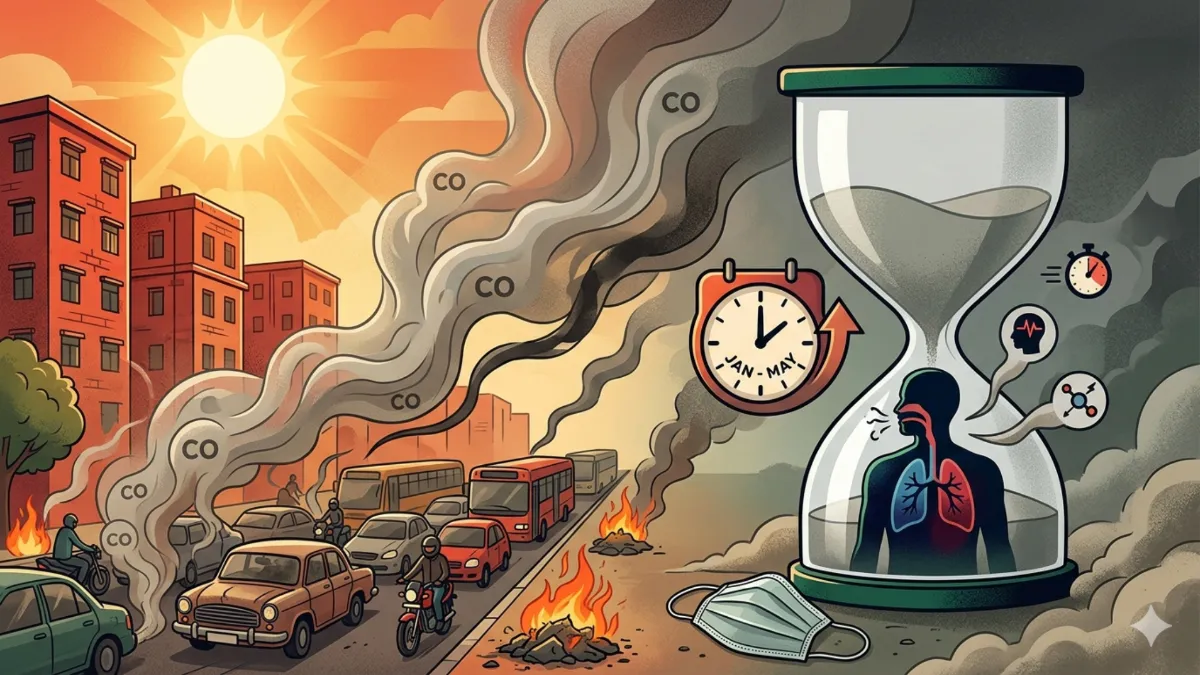
Delhi has recorded its highest average carbon monoxide concentration for the first five months of the year since 2022. As per data analysed by the research and advisory think tank Envirocatalysts, the average carbon monoxide (CO) level from January 1 to May 31, 2026, was 1.89 milligrams per cubic metre. This figure marks the highest January-May average since the 2022 level of 1.90 milligrams per cubic metre.

In comparison, CO concentrations for the same period in previous years were significantly lower, with 1.48 milligrams per cubic metre in 2020, 1.89 milligrams per cubic metre in 2021, and 1.72 milligrams per cubic metre in 2023. For perspective, the averages for 2024 and 2025 stood at 1.64 and 1.66 milligrams per cubic metre, respectively.

The standards set by Indian regulations permit a maximum of 2 mgNM3 (eight-hour average), while the World Health Organisation guidelines establish a limit of 4 mgNM3 (24-hour average). This context highlights the concerning trend in carbon monoxide levels in the national capital.

Health Implications of Elevated Carbon Monoxide Levels

Carbon monoxide is a toxic, colourless, and odourless gas that can severely affect human health by reducing the oxygen-carrying capacity of the blood. When CO binds with haemoglobin, it compromises the oxygen supply to vital organs like the heart and brain. Exposure to elevated levels of this gas can induce symptoms such as headaches, dizziness, and fatigue.

Long-term exposure or high levels of carbon monoxide can escalate the risk of serious health issues, including chest pain, irregular heartbeat, and other cardiovascular problems. Experts underscore the dangers of this gas, particularly among older adults, who might already be suffering from pre-existing heart or lung conditions.

Dr Rajesh Kumar Gupta, Director of Respiratory Medicine and Interventional Pulmonology at Yashoda Medicity, emphasised the subtle symptoms associated with high carbon monoxide levels. He pointed out that many individuals might not connect their feelings of tiredness or dizziness to polluted air, as these symptoms are common in daily life.

Causes of Increased Carbon Monoxide Emissions

The rise in carbon monoxide levels in Delhi is reportedly linked to high vehicle numbers and local emissions from combustion processes. As vehicle ownership continues to grow, so does the necessity to address the combustion activities contributing to this pollution.

Sunil Dahiya, founder and lead analyst at Envirocatalysts, indicated that the increase in CO levels indicates a rise in combustion activities within the city. He urged for a transition towards cleaner public transportation systems, especially electric-powered options, to mitigate pollution levels. This change is seen as essential not only for improving air quality but also for enhancing the overall livability and walkability of Delhi.

Reducing carbon monoxide emissions is critical for the health of the city’s residents and the environment. The continued increase in private vehicle ownership is a major challenge, and effective solutions must be implemented promptly to address this issue.

Long or Short, get news the way you like. No ads. No redirections. Download Newspin and Stay Alert, The CSR Journal Mobile app, for fast, crisp, clean updates!

App Store –  https://apps.apple.com/in/app/newspin/id6746449540 

Google Play Store – https://play.google.com/store/apps/details?id=com.inventifweb.newspin&pcampaignid=web_share

Latest News

Popular Videos
