


Delhi-NCR Heatwave: AC Explosions Spark Urgent Safety Concerns
The CSR Journal Magazine

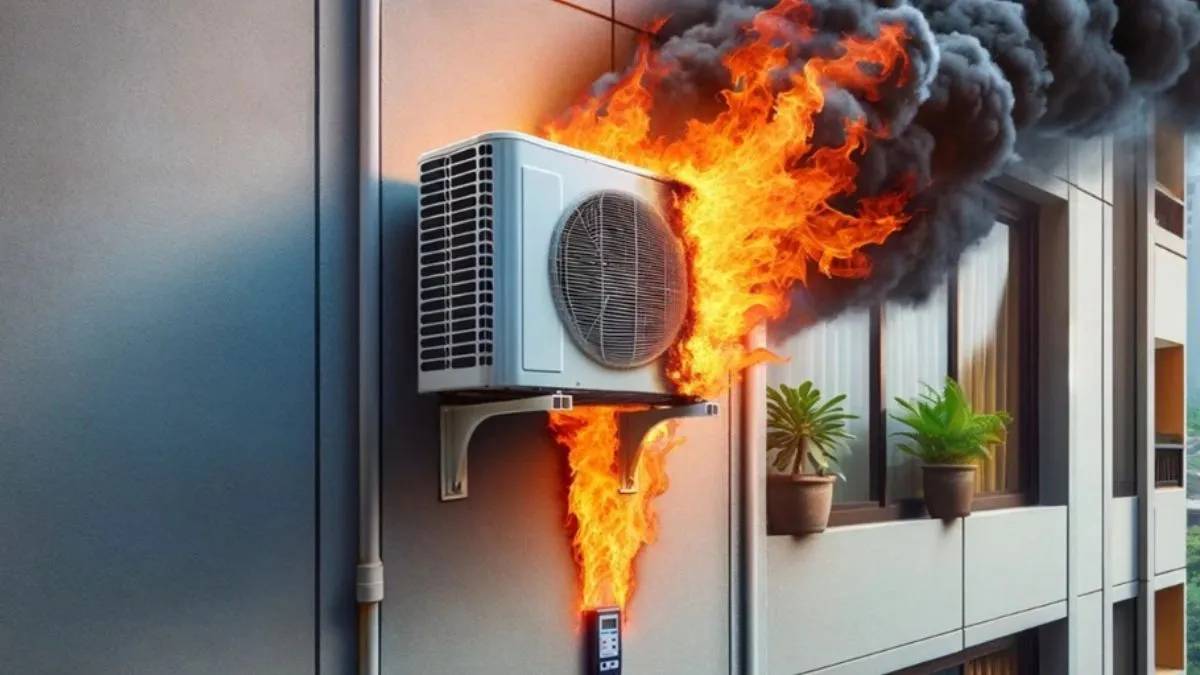
A significant fire incident occurred on the 21st floor of a residential building in Noida’s Sector 119 on Monday, June 29, reportedly triggered by an air conditioner explosion. Fortunately, there were no casualties, but the event has reignited fears regarding potential risks associated with air conditioning units. As temperatures across northern India remain excessively high, incidents of AC explosions and related fires have emerged as significant hazards for households.

Many residents are now viewing air conditioners as essential appliances rather than luxuries, leading to their prolonged use during heatwaves. This extended operation has been exposing flaws within the units, particularly in older models or those lacking proper maintenance. With the summer heat intensifying, it has become vital to examine the causes behind these potentially dangerous situations.

Mechanics Behind AC Explosions

Air conditioners can explode due to a combination of excessive internal pressure and temperature, which can surpass safe operating limits. The compressor, typically found in the outdoor unit, plays a crucial role in this process. In extreme heat, the compressor is required to work harder to circulate refrigerant and alleviate indoor heat. As the device overheats, the internal pressure increases significantly.

Another crucial factor is the condition of the condenser coils; if these coils become blocked with dust and debris, which is common with prolonged usage, they are unable to dissipate heat effectively. This leads to further accumulation of pressure and potential refrigerant gas leaks, often originating from worn pipes or joints. When leaked gas encounters a spark from defective wiring or a compromised capacitor, it may ignite unexpectedly, resulting in explosions and fires.

Additionally, electrical faults contribute to this risk. Continuous operation can deteriorate insulation on electrical wires, while voltage fluctuations, prevalent during the peak summer season, may also create short circuits. The interaction of mechanical stress, gas leaks, and electrical sparks can transform regular air conditioning units into dangerous devices.

Rising Incidents of AC-Related Fires

This year has witnessed a notable increase in severe incidents involving air conditioning units. In Hauz Khas, an explosion linked to an air conditioner led to a fire that resulted in the unfortunate death of a retired IAS officer. Similarly, a catastrophic fire in Vivek Vihar, also attributed to an AC unit, claimed nine lives. Numerous other cases in areas, such as New Friends Colony and Noida, have been recorded, and fire services have reported electrical problems, including AC unit faults, in a substantial proportion of summer emergencies.

Many of these incidents involve older air conditioning models or units that have not received regular servicing. The use of low-quality or inappropriate refrigerants, alongside blocked outdoor components, exacerbates the risks associated with continuous operation. Understanding the underlying mechanical and electrical issues can elucidate why these commonplace appliances pose significant dangers.

As more families rely on air conditioning devices to combat soaring temperatures, conducting routine inspections of compressors, wiring, coils, and refrigerant levels has become increasingly essential for preventing such hazardous occurrences. The recent fire in Noida serves as a stark reminder of what can transpire when cooling systems are pushed beyond their operational limits.

Long or Short, get news the way you like. No ads. No redirections. Download Newspin and Stay Alert, The CSR Journal Mobile app, for fast, crisp, clean updates!

App Store –  https://apps.apple.com/in/app/newspin/id6746449540 

Google Play Store – https://play.google.com/store/apps/details?id=com.inventifweb.newspin&pcampaignid=web_share

Latest News

Popular Videos
