


Delhi-NCR Air Quality Declines Amid Heatwave Due to PM10 Pollution
The CSR Journal Magazine

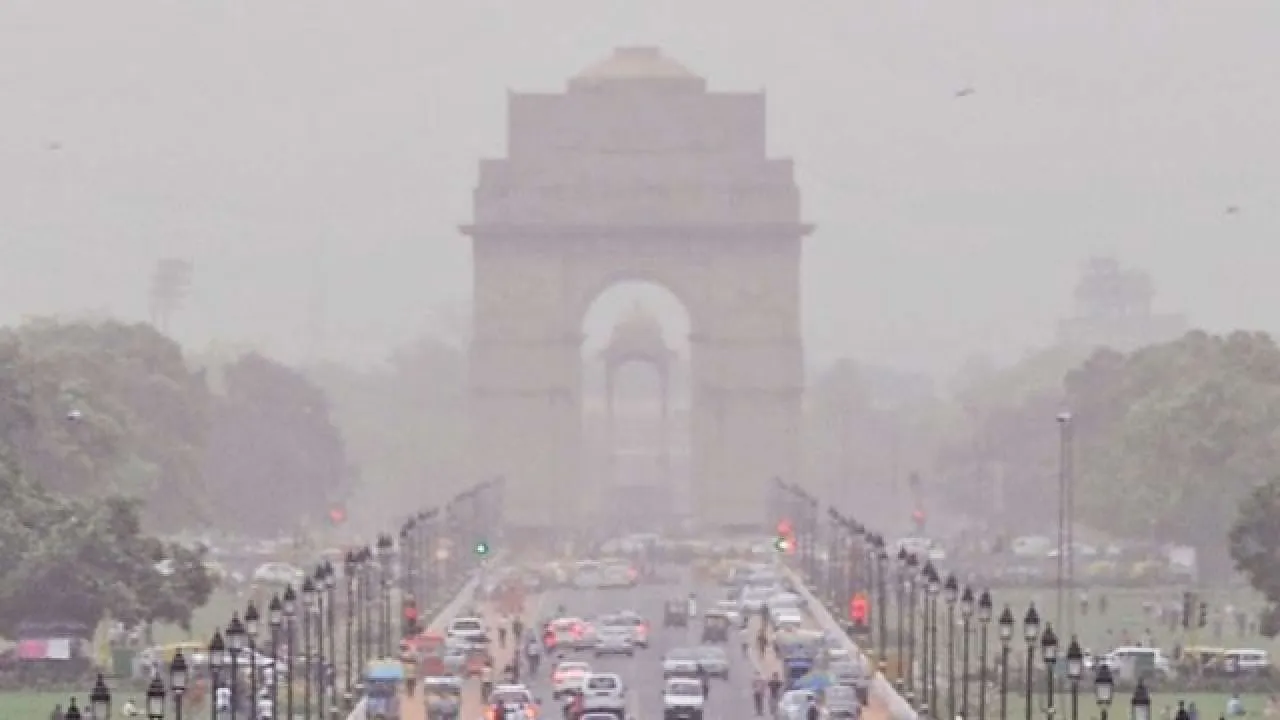
The air quality in Delhi NCR has sharply decreased, coinciding with unusually high temperatures that are reaching approximately 45 degrees Celsius. Authorities acknowledge that the region is facing severe pollution challenges, prompting the Commission for Air Quality Management to activate stage 1 of the Graded Response Action Plan (GRAP) on May 19, 2026. Forecasters suggest that this detrimental air quality is likely to persist for several days.

On the same day, the Air Quality Index (AQI) registered alarming figures: 208 in Delhi, 233 in Noida, 247 in Ghaziabad, and a particularly high 312 in Greater Noida. Gurugram reported slightly better air quality with an AQI of 178. Though PM2.5 is typically a significant pollutant, current reports indicate that PM10 is the primary concern across most areas, with Gurugram being an exception where both pollutants are equally prevalent.

The winter months in this region are usually associated with high pollution levels, primarily due to smog and particulate matter. However, the transition to summer does not eliminate pollution concerns; rather, it alters the dominant pollutant from PM2.5 to PM10.

Understanding PM10 and PM2.5 Pollution

Particulate matter (PM) comprises tiny airborne particles that can pose health risks when inhaled. PM is categorised based on size, with PM10 particles measuring 10 microns or less. These particles can significantly affect lung health, as they can penetrate deep into the respiratory system. On the other hand, PM2.5 particles are smaller, capable of depositing even deeper in the lungs.

In India, the major component of PM10 is dust, while PM2.5 is largely attributed to combustion of fossil fuels, biomass burning, and emissions from vehicles. This distinction plays a crucial role in understanding the variations in air quality between seasons.

With winter often dominated by PM2.5, a shift occurs in summer. Factors such as dust, wind, and regional geography contribute to this change. The Thar Desert, situated to the west of the northern plains, serves as a significant source of dust during the hotter months, exacerbated by local weather conditions.

Impact of Geography and Climate on Air Quality

Summer heat induces a notable climatic phenomenon known as a heat low, prevalent in dry regions with intense solar exposure. This causes air to rise, creating low-pressure areas that draw in strong winds. These winds, referred to locally as “Loo,” transport dust across North India, leading to heightened PM10 levels.

Geographically, the Indo-Gangetic Plains trap this dust due to their positioning between the Himalayas to the north and the peninsular plateau to the south. This configuration inhibits the dissipation of air pollutants, thus exacerbating the situation during heatwave episodes.

Further contributing to rising PM10 levels are localised dust sources stemming from unchecked construction activities and inadequately maintained roads. Poor soil conditions, especially during summer heat, lead to increased dust suspension and circulation in the atmosphere, thereby worsening air quality.

Once the monsoon arrives, it tends to clear the dust, but until that point, the high levels of PM10 continue to be a pressing health concern for residents throughout northern India. Experts recommend that local authorities must implement stricter regulations on construction and road maintenance to tackle these pollution spikes effectively.

Long or Short, get news the way you like. No ads. No redirections. Download Newspin and Stay Alert, The CSR Journal Mobile app, for fast, crisp, clean updates!

App Store –  https://apps.apple.com/in/app/newspin/id6746449540 

Google Play Store – https://play.google.com/store/apps/details?id=com.inventifweb.newspin&pcampaignid=web_share

Latest News

Popular Videos
